entry nine — scattered light, fractured grace: a quiet archive of light, loss, and what remains.
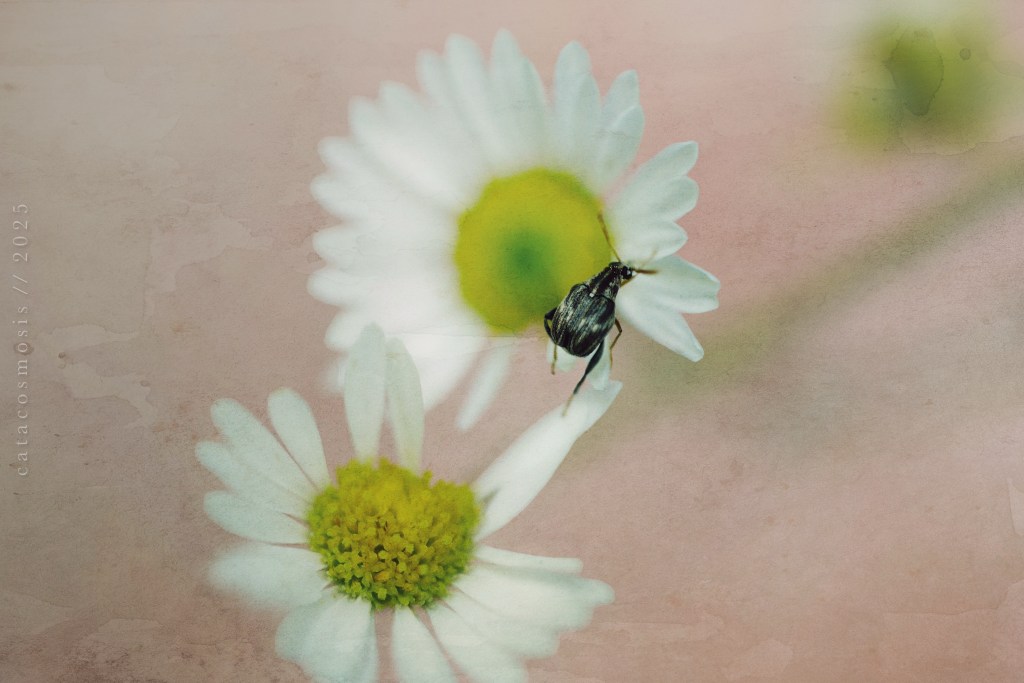
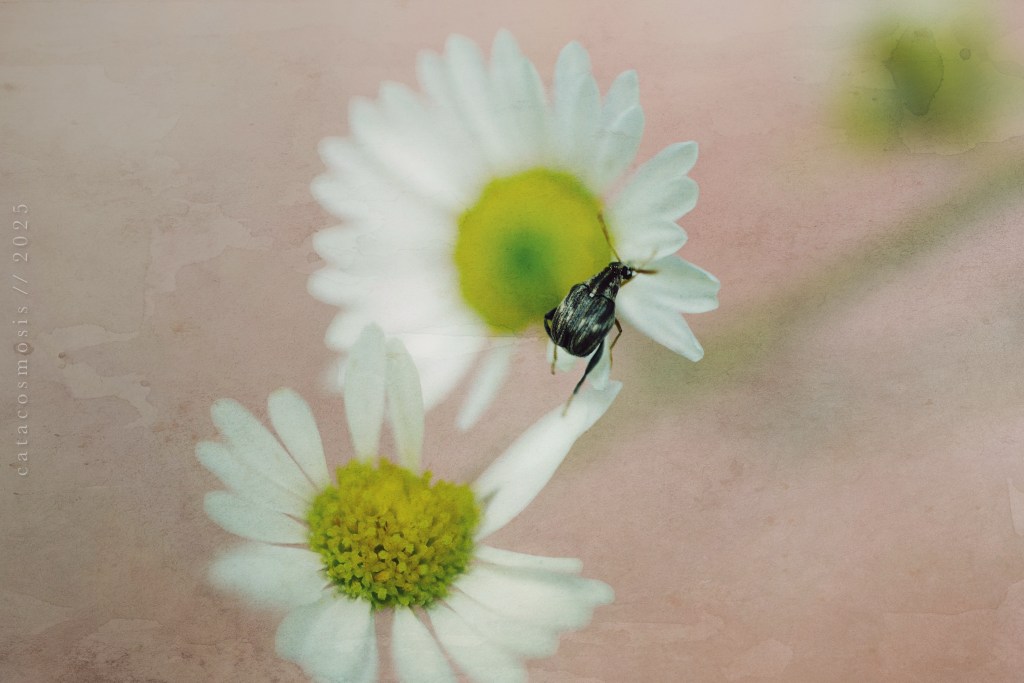
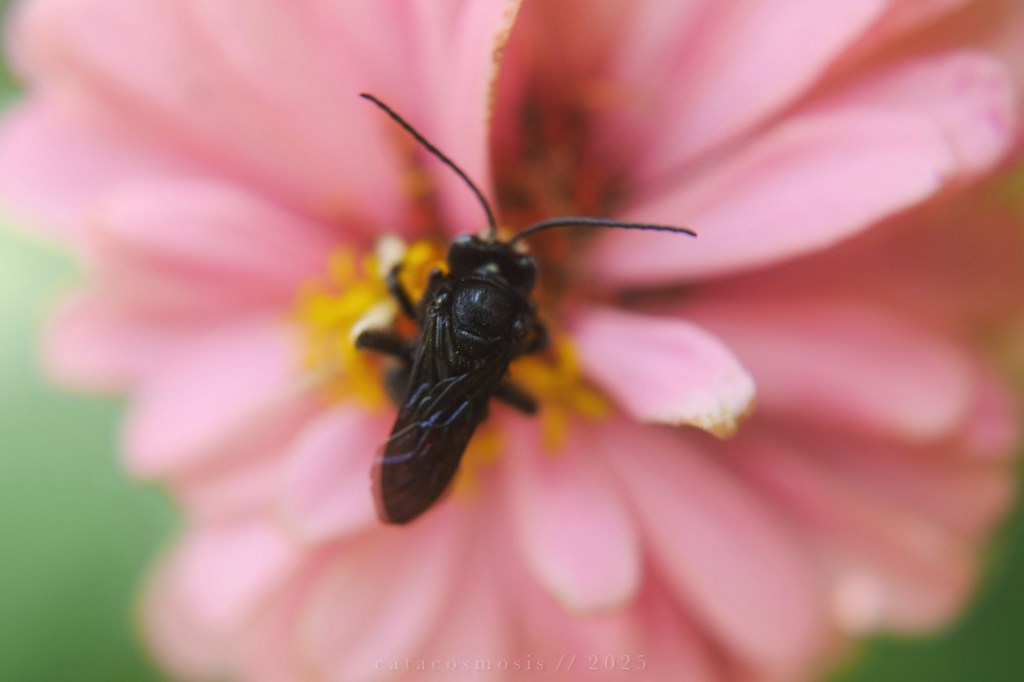
Weevil (Meibomeus musculus), a quiet laborer of the forest and the fields…carrying the weight of being, petal by petal. Vision: Lumix GX7 + Panasonic Leica DG Macro-Elmarit 45mm f/2.8 ASPH. MEGA O.I.S. Tools: VSCO (KP3), Mextures (personalized texture formula: QBHASZK), Lightroom Mobile (watermark only).
There is a kind of presence that doesn’t announce itself.
No sound. No shimmer. No need to be noticed. Just a body doing what it does.
Clinging to a petal, breathing the moment, belonging to the quiet. Sometimes, that is the work.
Not saving, not proving. Just being.
And somehow…it shifts the entire forest, the entire field.
For some souls, there is a burden in being seen —not the fear of visibility, but the ache of being misread when presence itself was the offering.
entry eight — scattered light, fractured grace: a quiet archive of light, loss, and what remains.
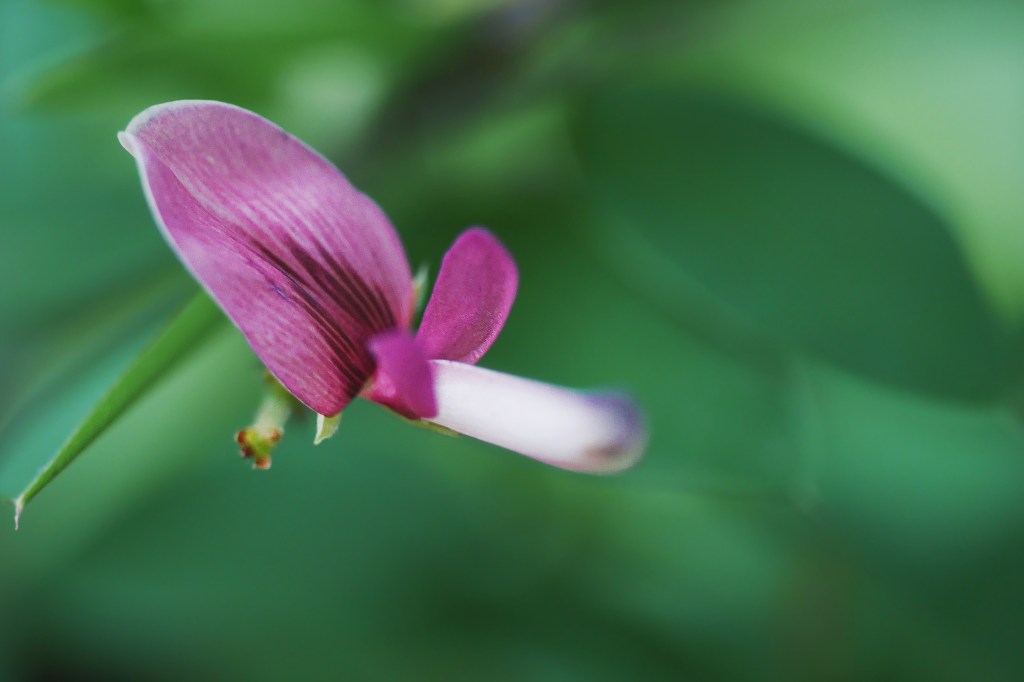
Bicolor Bush Clover (Lespedeza bicolor), a humble member of the wild clover family. Lumix GX7 + Panasonic Leica DG Macro-Elmarit 45mm f/2.8 ASPH. MEGA O.I.S., VSCO (HB3 PRO), Lightroom Mobile (watermark only).
Zooming in, pulling back, reframing… …it’s the practice of shifting perspectives. Cropping is discernment.
It’s important in photography, and in life.
Focusing closely. Examining the details. Leaning into the moment. Studying the layers. Trying different angles— then pulling back to take in the whole.
I do this with my art, my edits, my healing… …and my priorities.
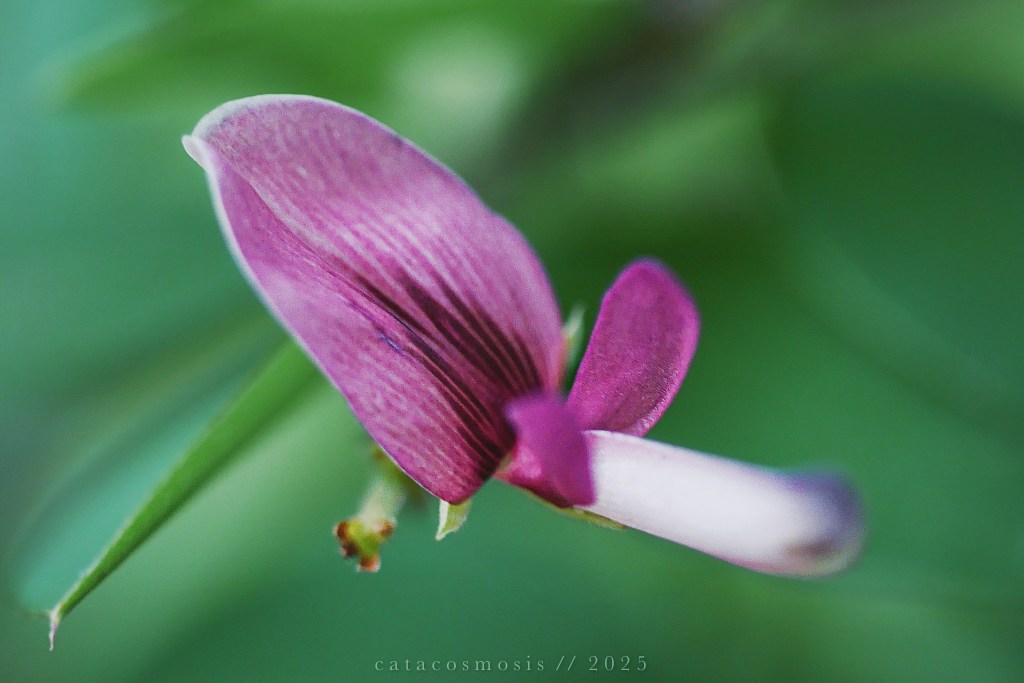
Bicolor Bush Clover (Lespedeza bicolor), a humble member of the wild clover family. Lumix GX7 + Panasonic Leica DG Macro-Elmarit 45mm f/2.8 ASPH. MEGA O.I.S., VSCO (HB3 PRO), Lightroom Mobile (watermark only).
Cropping, and discernment. Both are framing what matters— letting the noise blur into the background.
It’s not just a gift, not just a tool. It’s a process.
With practice, it teaches clarity through choice. Over time, it becomes discernment embodied.
Cropping alters perspective. It is learning to see again…
…as many times as it takes to actualize the vision.
I’ve been wanting to go back to my beginner photography roots…back to the tools that first taught me how to see. Not the Leica fixed macro. Not the Sony or Tamron glass. Not even the newer body. None of my inherited equipment. Just…my roots.
I used my fully outdated, beautifully obsolete LUMIX GX7—a replacement for my original GF3, long since gone—and its 20mm prime, with the same kind of macro filters that began and cemented my obsession with close-up work nearly a quarter century ago.
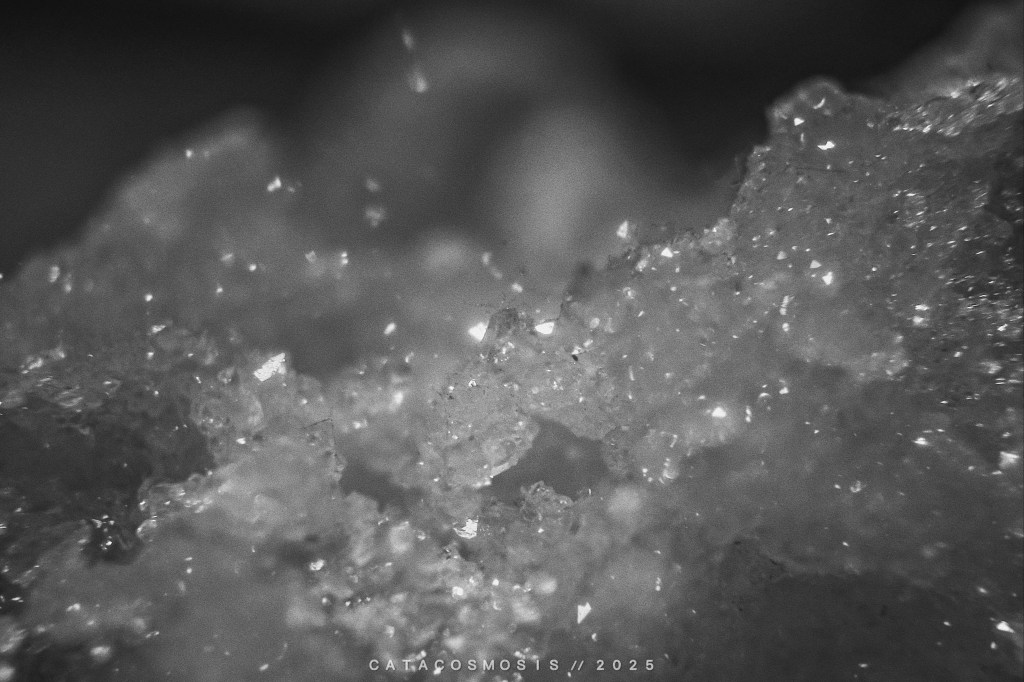
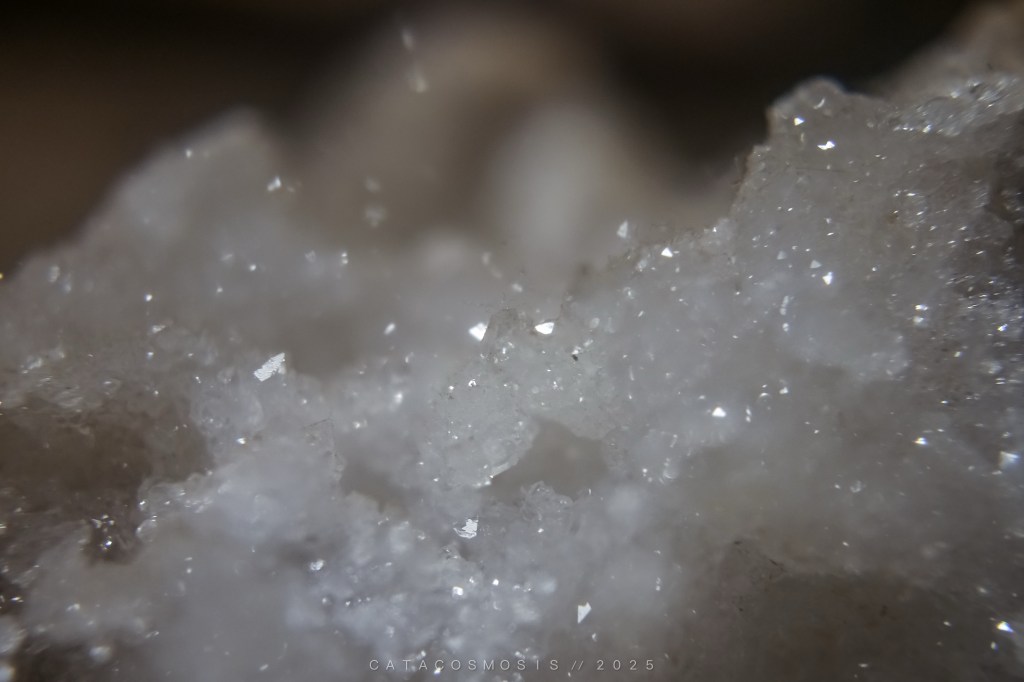
A while ago, we cracked this geode open with a hammer. No fancy saws, just risk and dumb luck here.
Original capture, using LUMIX GX7 + 20mm prime kit lens + stacked, simple macro filters (10, 4, 2, 1).
I suppose one should be more careful with nature, but nature is often far more careless with itself (and with us) than we would dare to be.
It takes that kind of recklessness to create rocks like this: extreme destruction, tons of pressure, and the long, drawn-out silence of time.
The first shot is a 2×3 crop of the original, watermark added. It radiates stillness, but also origin. Not just a photo of a mineral, but the witnessing of an unveiling. Beauty born not of perfection, but of extreme heat and cold, of force and risk, of patience and faith.
VSCO edit of original, using B5 Pro (further edits described below).
The second is a black-and-white VSCO edit: a touch of clarity, a whisper of bloom, a cool tint in the lightly raised shadows, and a layer of grain like cosmic dust.
But what is really there? What is the captured magic?
In the first, I see the quiet unfolding of a secret. Light caught mid-breath, nestled in silence, not trying to perform, but simply to be observed. Crystals shimmering like they’re whispering, not shouting. Softness holding the sharpness in tension. Truth in the raw moment of becoming.
In the second, I wanted to draw attention to the structure beneath the shimmer. The architecture of pressure. The monochrome strips away the sparkle to reveal something more elemental.
Less about beauty, more about bones. A lunar map. The scar tissue of a planet. A meteorite’s grain. A deep-space scan. A memory of rupture, filtered through time. A chorus of diamonds at the end of becoming, born of charcoal and starlight.
What do you see? Not with your eyes alone, but soul.
Soul vision. That’s what I see with most often. Especially now.
VSCO (SS1 Pro), Lightroom Mobile (watermark only).
Aperture
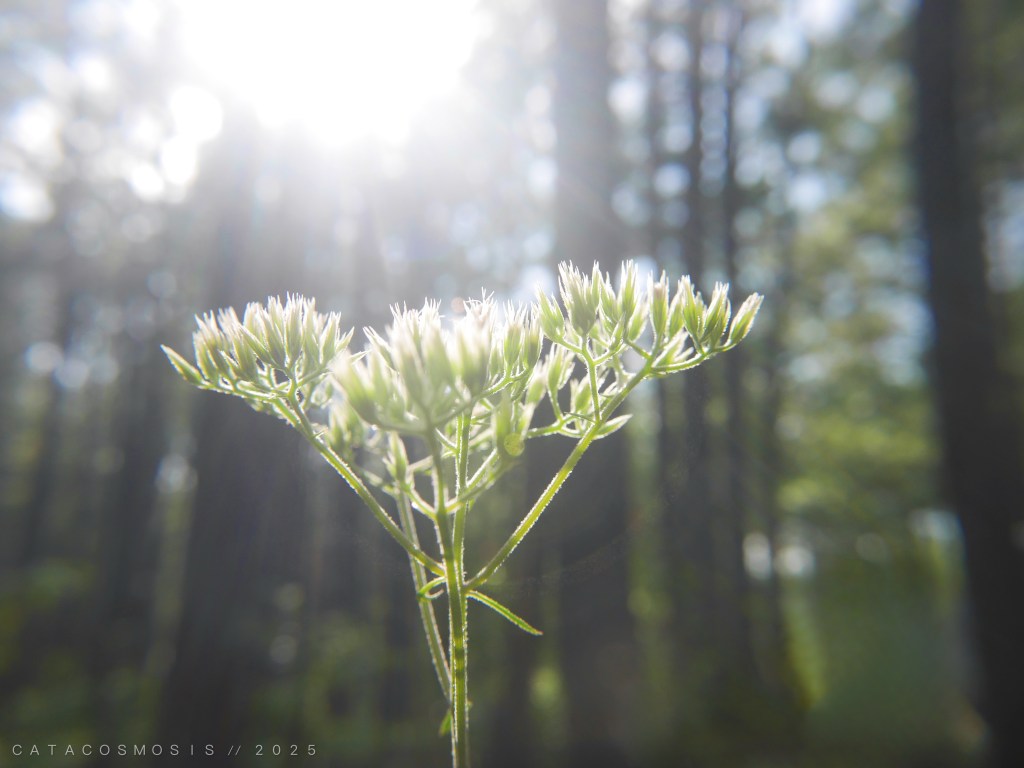
There is a kind of light that doesn’t just shine, but also fractures.
It breaks open the moment with something softer than silence and more honest than certainty.
You don’t chase it, you receive it.
This image wasn’t planned.
This frame wasn’t forced.
There’s a stillness even the flowers seemed to know, and reflect back to me.
It is not the stillness of silence, but of surrender.
Not of bracing against beauty or the process of becoming-in-progress, or of apologizing for taking up space mid-bloom…but of letting the light have its way.
I simply stood still long enough for the light to offer itself—scattered, wild, and full of grace.
I saw what was really there:
Buds preparing to bloom and light wafting in, yet also ambient and still.
The entire moment was an aperture through which grace entered, unbothered and whole, needing no permission.
And in that quiet moment, it became a mirror for all of us—one that perhaps none of us knew we needed, and that many would automatically overlook.
How often do we chase clarity instead of becoming it?
How often do we disturb ourselves, or disturb the world while attempting to distract ourselves, by blaming everyone else?
How often are those moments merely us trying to be louder than what already speaks through us?
There is no control in peace.
No performance in healing.
Only presence.
And in that presence, we disturb no one—not even ourselves.
We become the quiet offering.
We become the still center in a world unraveling at the edges.
Today, as I stood still in the midst of both internal and external war, peace didn’t arrive with fanfare.
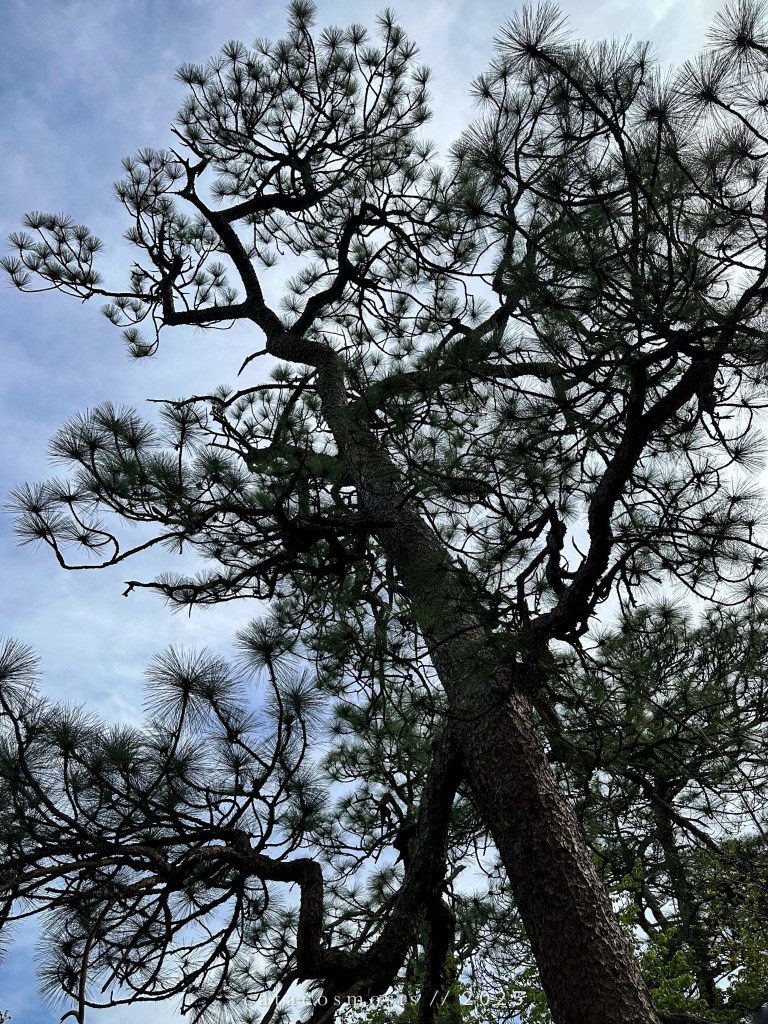
It arrived as fractured light through pine trees.
As a silent, oft unnoticed breath.
As a reminder that maybe the most sacred work is not to act, but merely to remain open.
Not to close.
Not to harden.
Not to explain ourselves into exhaustion, but to become aperture.
To simultaneously remain wide enough to hold what’s real and narrow enough to let illusion fall away.
And, to be balanced enough in both intellect and empathy to know the difference.
This is the answer: detachment.
Not from emotion, but from illusion.
It is not denial, not distance.
Rather, it is the quiet rerouting of both emotion and cognition back to stillness.
A return to clarity, not an absence of care.
And somehow, by not reacting, by not reaching, we find we are already held.
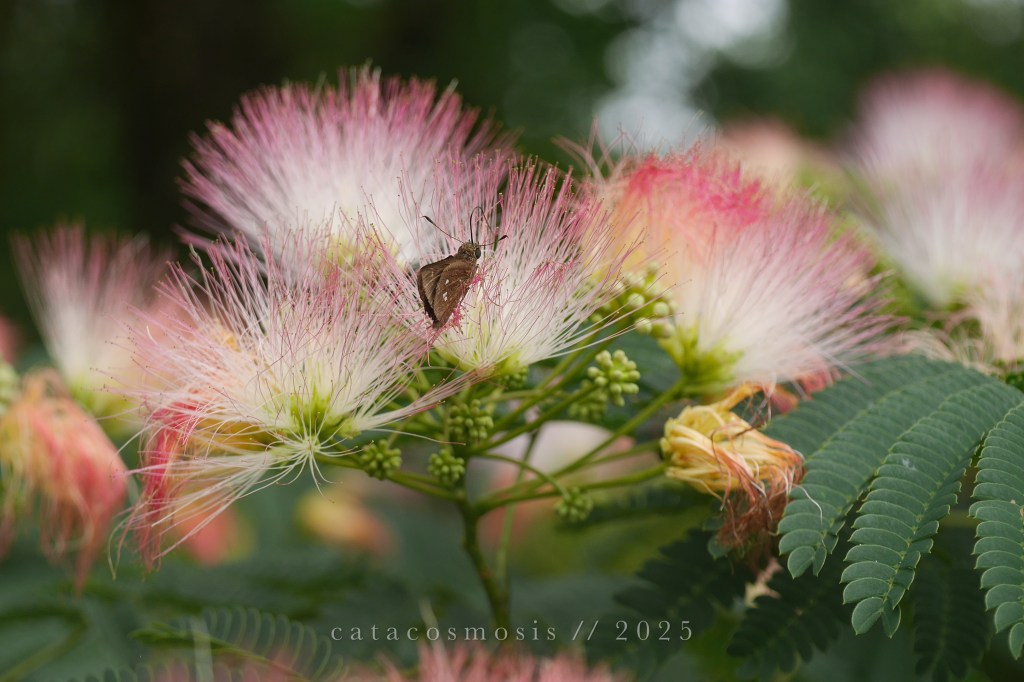
Mimosa (Albizia julibrissin). Lumix GX7, Panasonic Leica DG Macro-Elmarit 45mm f/2.8 ASPH. MEGA O.I.S., Lightroom Mobile (watermark), VSCO.
Not everything soft is weak.
Not everything brief is forgotten.
The mimosa blooms like a passing thought—pink, feathery, fragrant, gone before you’re ready. But even in its short season, it rewrites the air.
And maybe that’s the point:
To offer sweetness without needing permanence. To make magic in the margins.
💚🌿✨
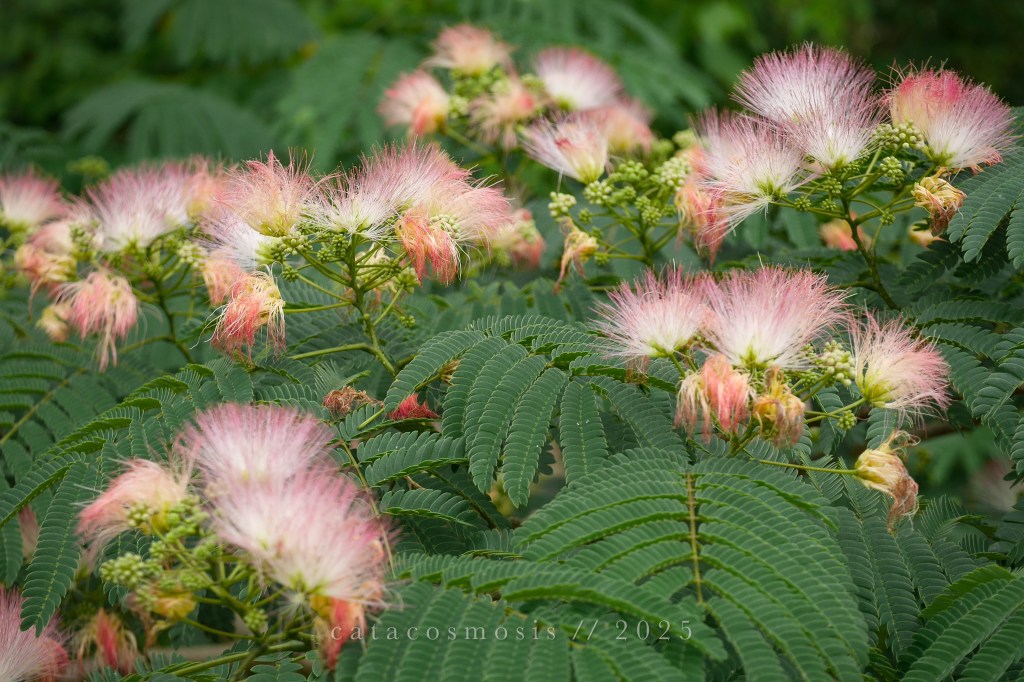
Mimosa (Albizia julibrissin). Lumix GX7, Panasonic Leica DG Macro-Elmarit 45mm f/2.8 ASPH. MEGA O.I.S., Lightroom Mobile (watermark), VSCO.
The Mimosa tree (Albizia julibrissin) is commonly known as the silk tree or Persian silk tree. Albizia julibrissin isn’t actually a true mimosa—though it’s been lovingly misnamed for generations. Native to Asia, this delicate tree has made its way into southern landscapes with grace and stubbornness alike.
Its blooms are light as breath—powdery tufts that attract butterflies, bees, and human daydreamers. They bloom at dusk, shimmer in the wind, and drop silently—often leaving a petal-scattered sidewalk like a love note no one signed.
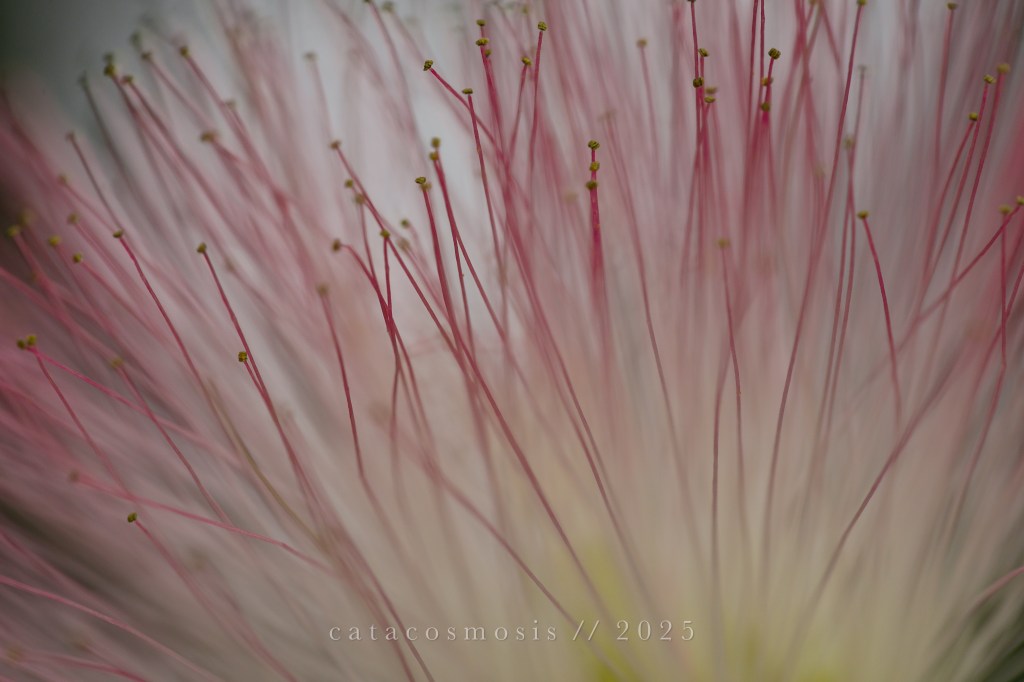
Mimosa (Albizia julibrissin). Lumix GX7, Panasonic Leica DG Macro-Elmarit 45mm f/2.8 ASPH. MEGA O.I.S., Lightroom Mobile (watermark), VSCO.
Though it’s sometimes called invasive, there’s no denying its presence feels like a portal: part nostalgia, part perfume, part dream.
Its scientific name, julibrissin, comes from the Persian gul-i abrisham—“silk flower.” A name that suits it perfectly.
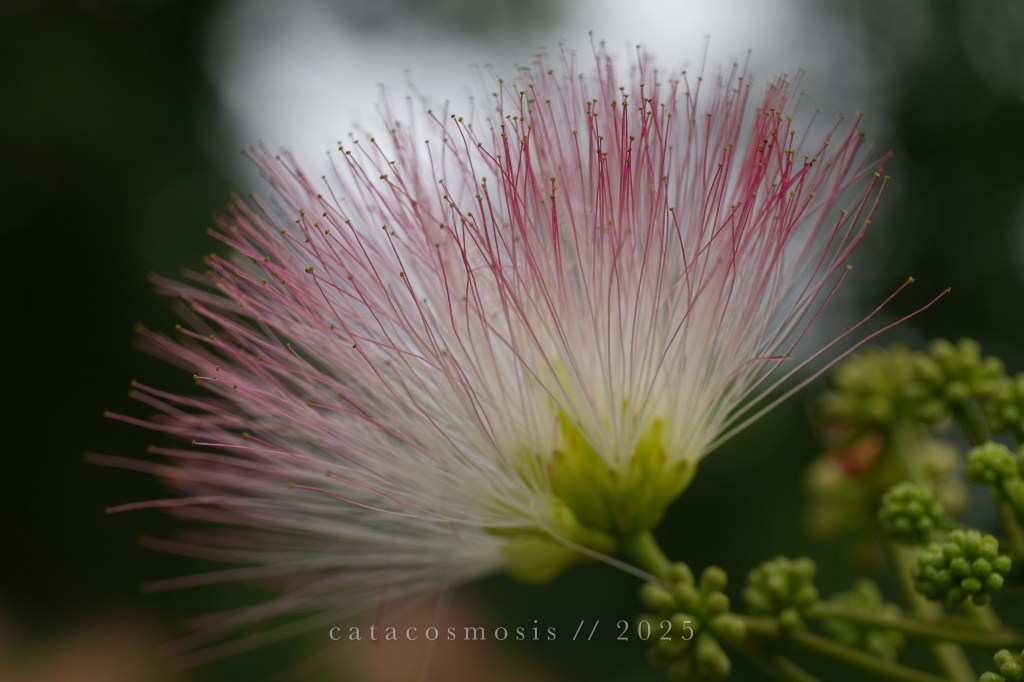
Mimosa (Albizia julibrissin). Lumix GX7, Panasonic Leica DG Macro-Elmarit 45mm f/2.8 ASPH. MEGA O.I.S., Lightroom Mobile (watermark), VSCO.
In folk medicine—especially within Traditional Chinese Medicine—the mimosa tree is known as the “Tree of Happiness.” Its fragrant pink blossoms and bark have long been used to lift the spirit, ease grief, calm the heart, and quiet a restless mind.
The flowers are brewed into gentle teas, while the bark is sometimes tinctured for deeper emotional support. Often given to those moving through sorrow or heartbreak, the mimosa is considered a natural ally for joy, resilience, and emotional rebirth.
There’s a quiet kind of healing that happens when no one is watching. It doesn’t perform. It doesn’t announce itself. It doesn’t need a platform. That is where I was when I was away—not just from social media, but from this space and this blog.
A young woman named Jillian, in a YouTube video I stumbled across recently, captured this so simply and so beautifully: what life looks and feels like when you’ve stepped away from social media—and stayed away long enough to actually notice the difference. What struck me most, though, was hearing her perspective as someone going through this process for the first time.
It’s lived in my thoughts and I’ve contemplated this post ever since. It was so interesting to me because I’ve taken breaks from the internet many times over the past two decades, always for the same reasons—and always with this same depth of understanding about the psychology of it, and why those breaks were necessary.
This most recent (and longest) season of removal hit different. After the last caregiving stretch, after Roshi Ralph’s death, after the silence that came when others (who had no real understanding of the compound caregiving and loss I’d just lived through—and in many cases, never will) rushed in with attacks and projections and judgments, as if my grief was theirs to dissect—I pulled all the way back. And I’ve stayed back.
I’ve stayed away from social media not because I needed a break, but because I reached the point where it just doesn’t matter to me. The truth is, it never really did. The performance of it all—the curated personas, the noise, the performative alliances, the hollow outrage, the likes-as-validation—means less than nothing. I never played the game anyway, and when I tried to be real, I was punished for it—called out for oversharing instead of respected for being honest. So now, I simply choose not to engage.
That’s the decision, and it’s permanent. I stick to my own space—my blog(s)—now. I share some of my creative work on YouTube and Instagram, but I don’t engage socially. The work is there for anyone who wishes to enjoy it, just like my writing: simply because I’ve made it—and it feels like a waste to let it collect digital dust on my hard drive or memory cards. That’s it.
And what I’ve learned—what I’ve earned—is this:
Own your own thoughts. Own your own opinions. Stop looking to the crowd to inform you of what you feel, believe, or need. If you want to share your truth, explore your voice, or process your experience—do it in your own space. Even if that space is digital.
Quiet is not the same as silent. Solitude is not absence. Privacy is not erasure. And just because the crowd isn’t clapping doesn’t mean the work isn’t working—or that it’s not sacred, necessary, and deeply alive.
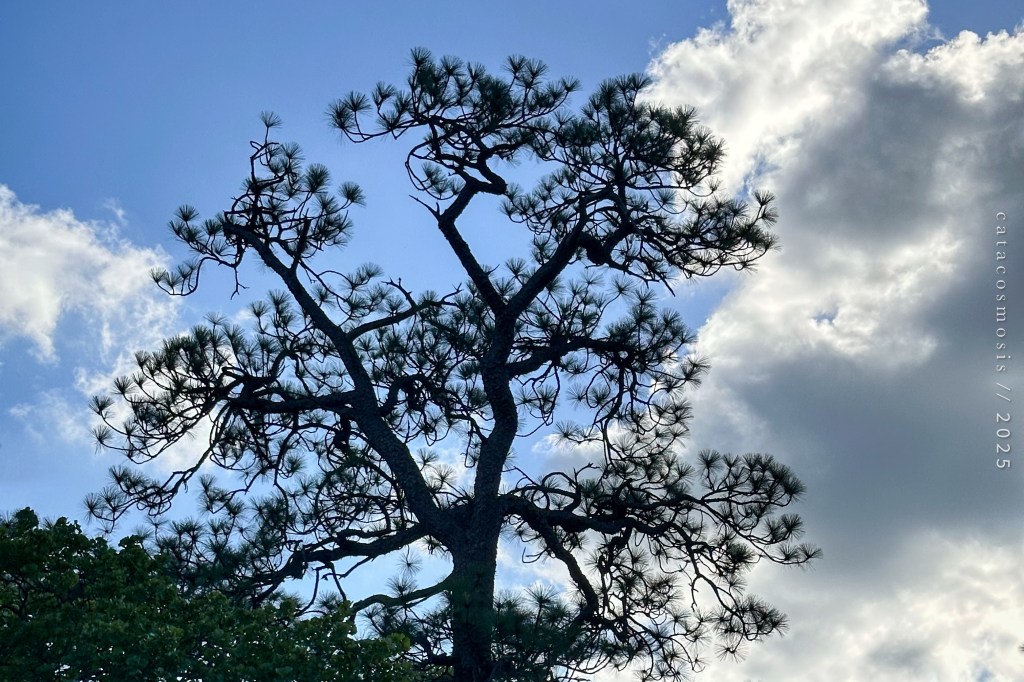
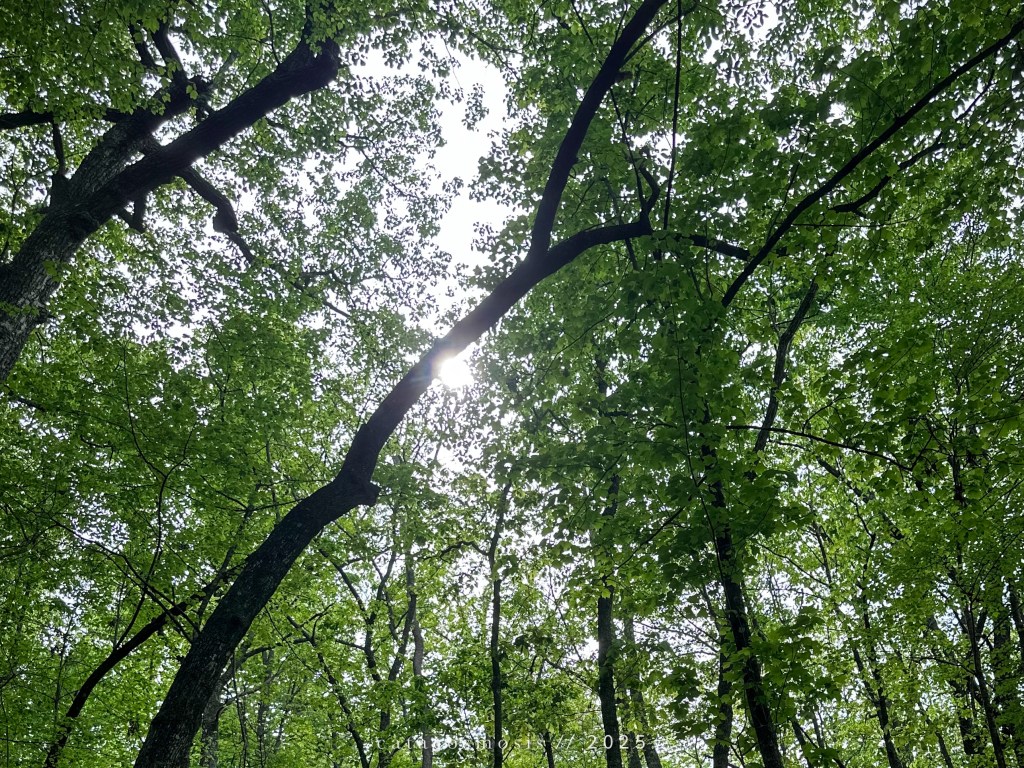
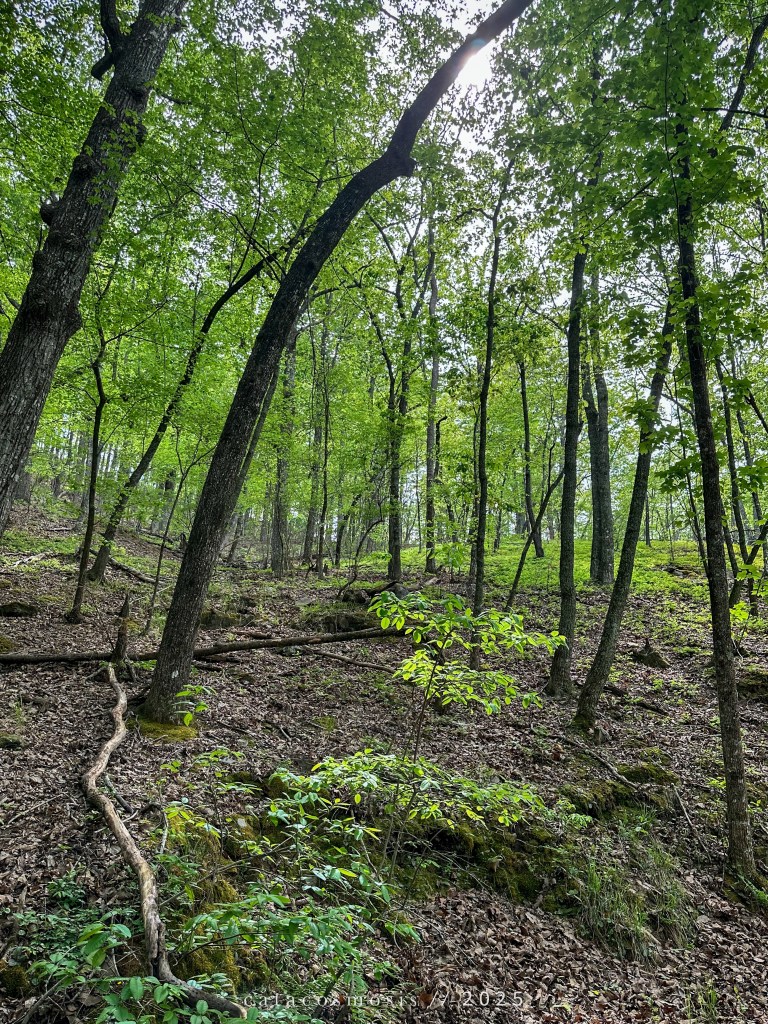
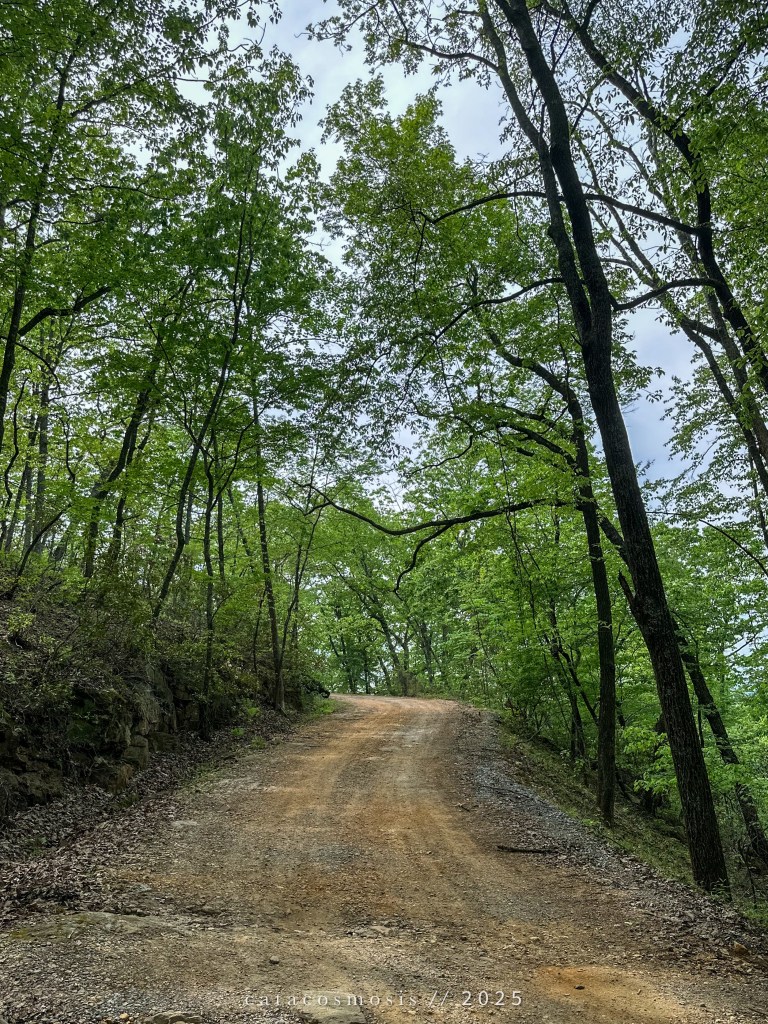
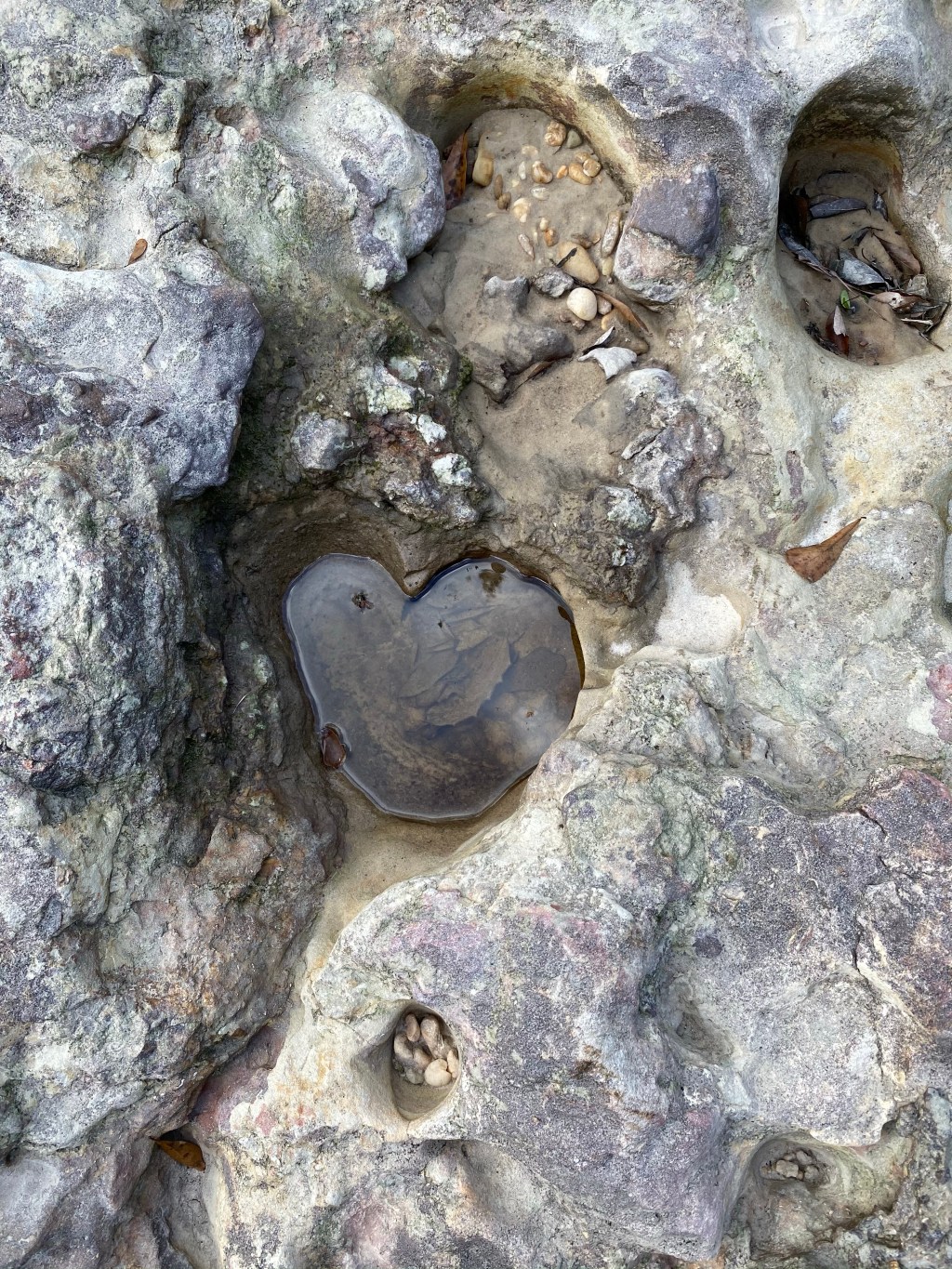
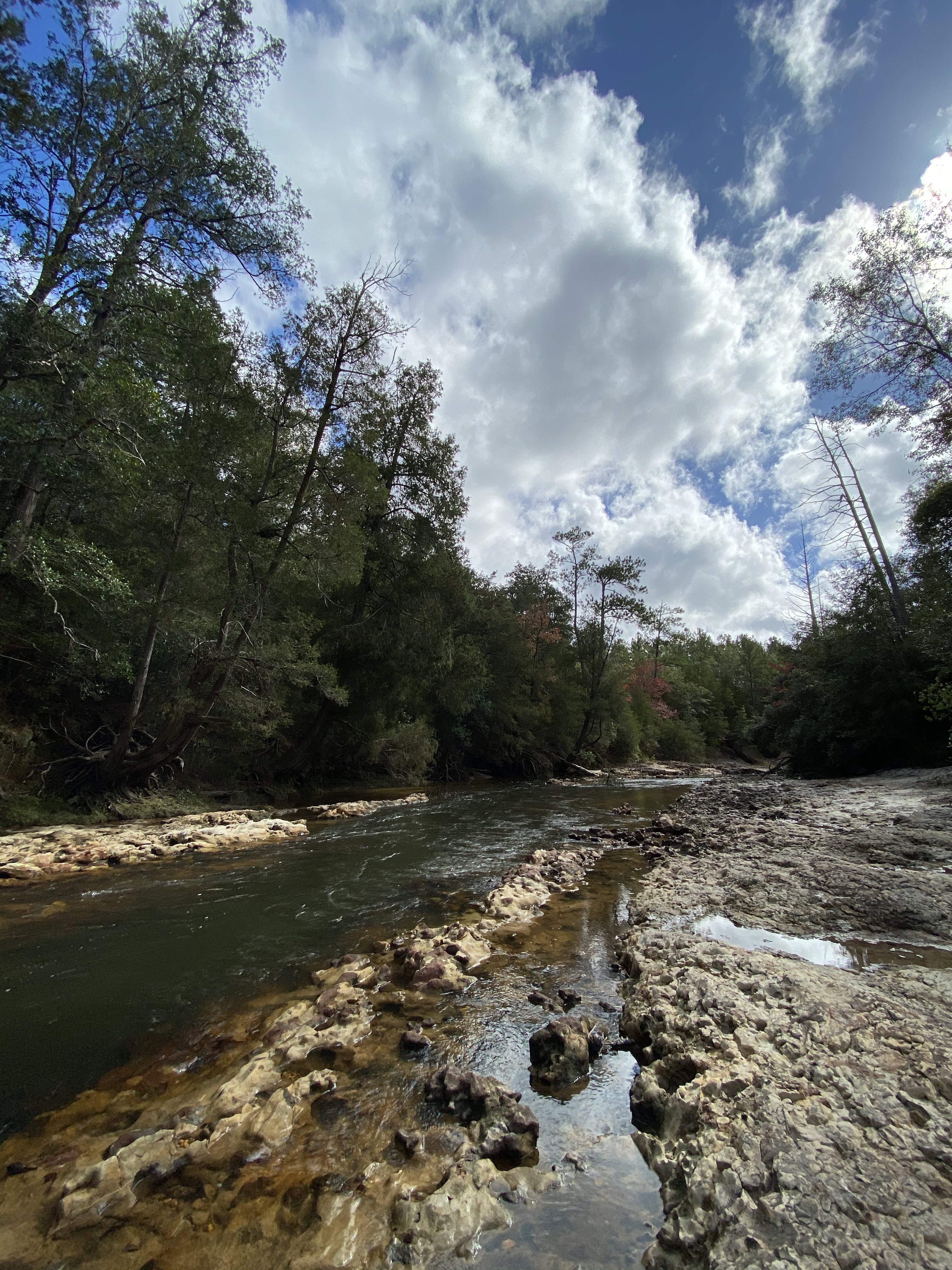
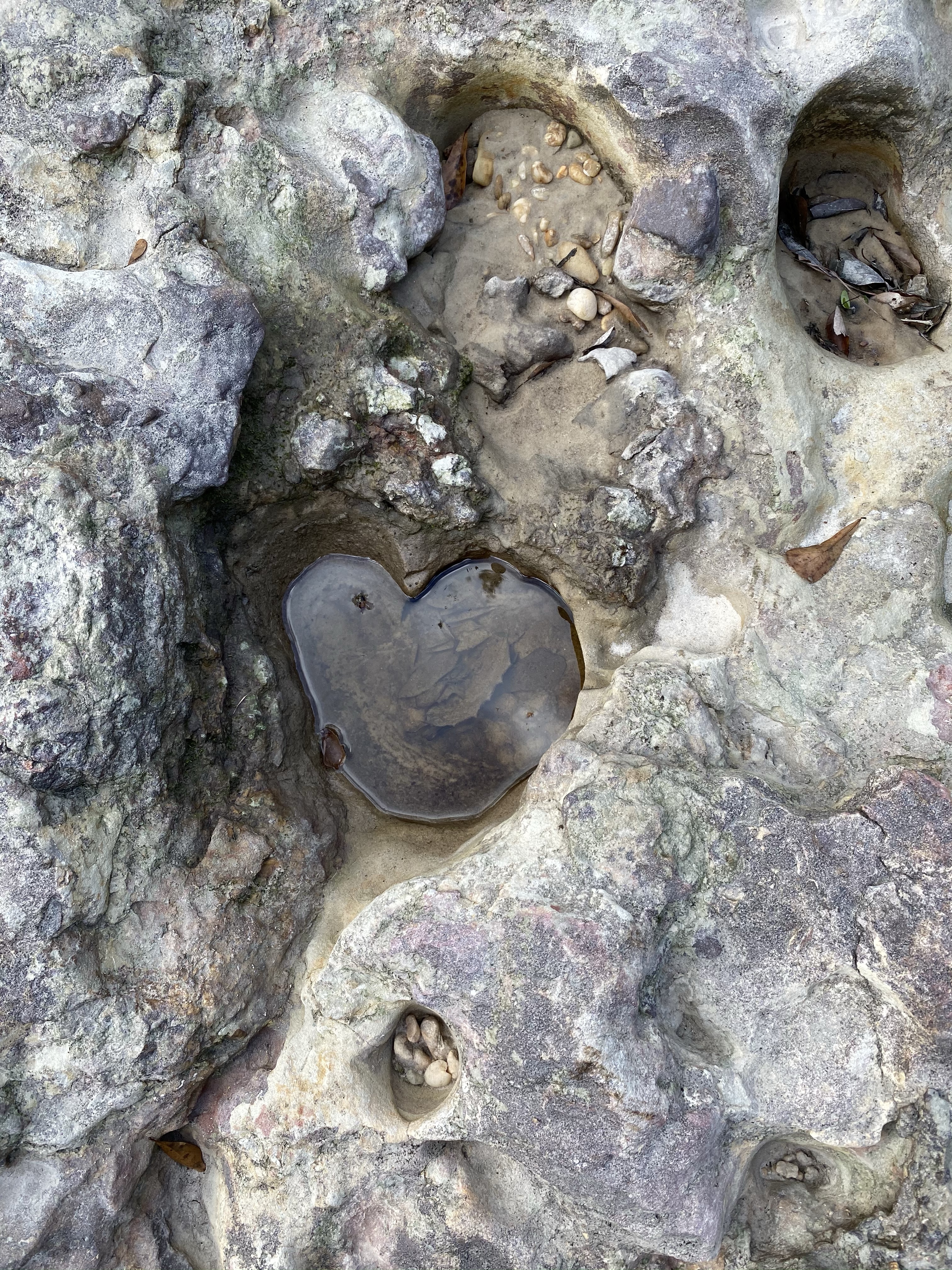
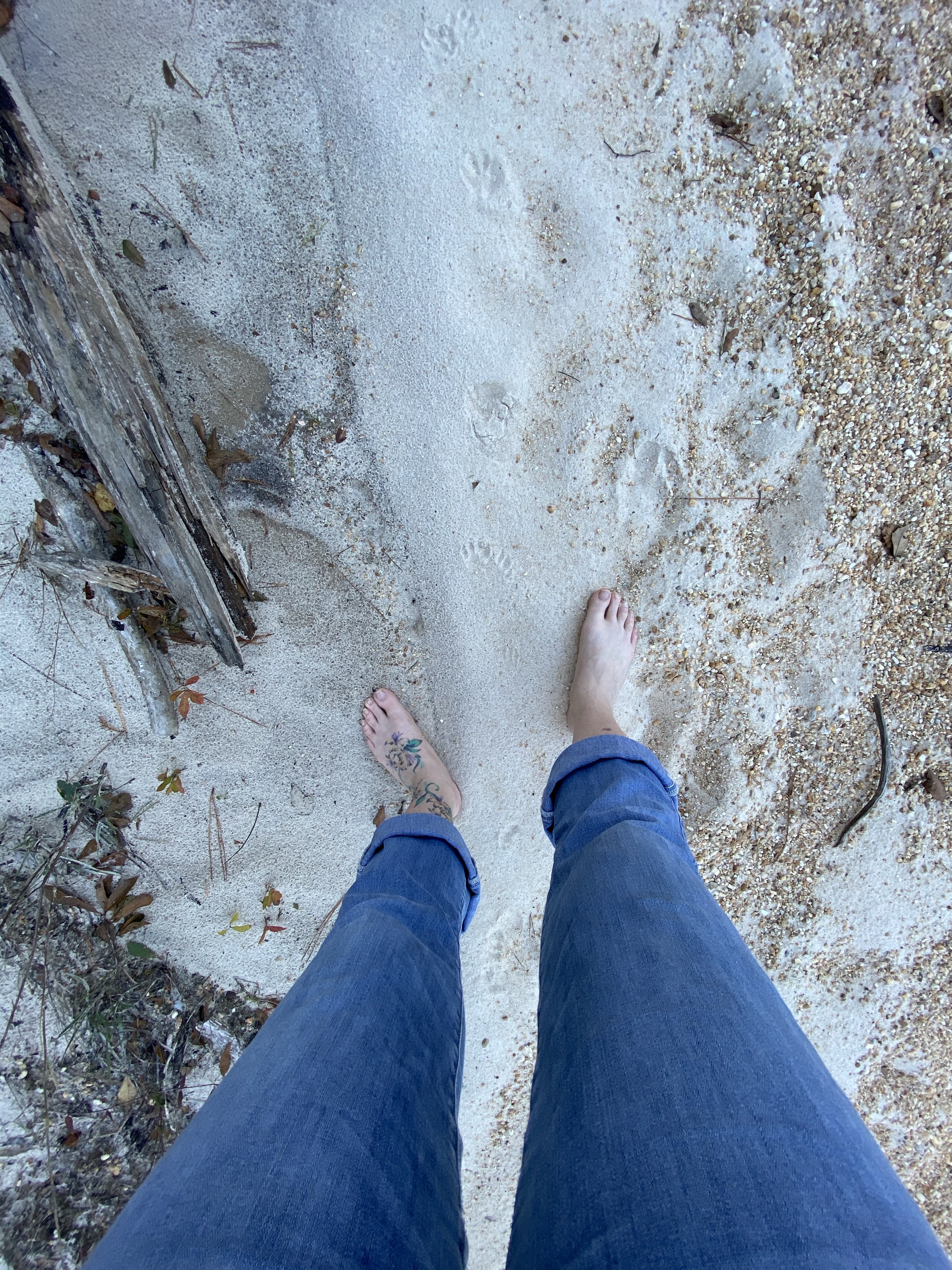
A hike on Flagg Mountain.Flagg Mountain is part of Weogufka State Forest.My favorite place in these woods……is where you’ll find my favorite tree (a post all about her is coming soon).A few photos from where I’ve been this past year, instead of online…
Mirrors, Screens, and Silent Knowing: Personal Reflections after Watching Jillian’s Journey
Part One: The Slowness That Saves You
Jillian talked about how, in the silence of that first year offline, she realized she wasn’t who she thought she was. That her sense of self had been filtered through algorithms and aesthetics for so long that she didn’t know what parts were her and what parts were just performance.
She said she didn’t want to be a cottagecore girl, or a vanilla-beach-aesthetic girl, or even a tomato queen—she just wanted to be Jillian. And that’s what life offline gave her space to rediscover: the Jillian aesthetic. Not a genre. Not a trend. A person.
That kind of reclamation doesn’t happen in front of a ring light. It happens when you’re still. When the feedback loop breaks. When your body and soul finally stop bracing for the next notification, the next birthday story repost, the next dopamine drip that doesn’t land right.
She didn’t pretend her life suddenly looked different. In fact, she said:
“Does my life look any different from this… to this? No. But how I live is what’s different.”
That line stuck with me because it’s the same thing I’ve experienced. The world outside didn’t change. The people didn’t change. The pain didn’t vanish. But something in me stopped handing over power to what others might think—or worse, what they might not think if I didn’t stay visible.
Part Two: The Real Cynicism Is a Smile That Lies
There was a comment I wrote recently in response to someone who was tired—tired of being called negative for telling the truth. Tired of being cast as cynical for not dressing pain up as purpose. I told them this:
“People will call the truth pessimism and negativity because they’ve either never seen true rock bottom—or they’ve never experienced it (yet).”
Because the people who have known real loss, real chaos, real collapse?
We don’t need false light. We need real clarity.
That’s why toxic positivity is so insidious—it masquerades as hope, but it’s really just fear dressed in bright colors. It says: Don’t go there. Don’t feel that. Don’t name it. But the truth? The truth sits with the mess. The truth makes a chair for the grief and the rage and the complexity and says: stay as long as you need.
“It’s madness to try to be sane in this crazed world… You can just quietly speak your truth.”
That’s it right there. That’s why I’m not interested in “engaging” anymore, and why I’ve stopped posting where people feel entitled to misunderstand. This world has enough noise. Enough image management. Enough hollow back-patting in the name of “support.”
Part Three: Stillness Is Not Stagnation
Jillian said she thought she was going to return to social media after a year. She even looked forward to it. She imagined her big return, her “look how I’ve changed” content. But then the new year rolled around… and she didn’t want to go back. Because the more she paid attention to her real life—the one where she wasn’t performing for anyone—the less she needed to curate it.
That’s a shift I understand at a soul level.
Sometimes we don’t need reinvention. We need to not be witnessed for a while, so we can see ourselves clearly again.
And no, it doesn’t mean becoming some pure, evolved aesthetic monk who never has insecure days. Jillian was honest about that too—she still compares timelines, still feels the pressure. But she said something I think most people miss:
“I still have those moments. But I’m learning. And that’s enough. I’m having a great time.”
A great time—not because everything is perfect, but because she’s present. Because she’s not outsourcing her attention, affection, or identity anymore. And because she gave herself the gift of being nobody for a while, so she could become somebody real again.
Closing Thoughts: Your Life, Your Lens
So no—this isn’t a how-to guide. This isn’t a five-step digital detox plan. This is just a reflection on what it means to live inward in a world obsessed with being outward.
It’s a reminder that your worth isn’t measured in visibility. That your healing doesn’t have to be documented to be real. That privacy isn’t a lack of connection—it’s a form of spiritual hygiene.
Social media isn’t evil. But it’s not sacred, either. Use it if it serves your soul. Leave it if it steals your peace. And if you ever wonder whether your absence would be noticed, ask this instead:
“Would I still feel whole if no one saw me for a while?”
If the answer is no, then maybe it’s time to come home to yourself—quietly and on purpose.
The first excerpt I read today (via the DeepStash app, which I highly recommend) was the first crown in my day.
It’s worth remembering that it is often the small steps, not the giant leaps, that bring about the most lasting change. EIIR (Queen Elizabeth II)
Then, Sir Citrico (my tiny citrus seedling) didn’t die.
Let me back up—one morning, while making my lemon water, I dropped a seed onto the floor. On a whim, or maybe something more, I rinsed it off, wrapped it in a paper towel, and tucked it into a plastic bag. I heard my spirit say, “Put it on top of the cabinet, and wait for further instruction.”
So I did.
As I do 100% of the time in this phase of my life, I followed my Higher Self’s nudge without question. A couple of weeks later, when I heard, “Time to check,” I wasn’t even surprised to find it had sprouted—delicate white roots and a tiny green stem, alive and reaching. You would’ve thought I’d witnessed a full-blown miracle by the way I squeaked and rushed to find J, beaming like a proud citrus parent. And yet, beneath the flurry of 3D excitement, my soul just sat in quiet, humble gratitude, watching me feel real joy again for the first time since Master Roshi died.
That was a while back, and at first, he did really well. I tucked him into a tiny clay pot with some Bacto and a pinch of cactus soil—whatever I had on hand. I added a little sand, too, worried about drainage. I put him on the bookcase in front of my bedroom window, and he grew a couple of inches and seemed content.
But a week or so ago, he fell over.
I thought maybe I’d let him get too dry. I watered him, hoping he’d rally, but he couldn’t seem to stand back up. His green began to dull and shift in a way that didn’t feel right. He looked pitiful. Still, I kept doing what I’d been doing. He was struggling—but he was still here—so, I waited.
This morning as I gave him his Friday morning drink, I noticed he’d grown again. His green was vibrant, no longer sickly. So I listened—again—to my spirit (guided, I’m sure, by both Master Roshi and my Mama Kay) and reached up to the top of the bookcase to see what I might find for support, and what do you think my fingers landed on?
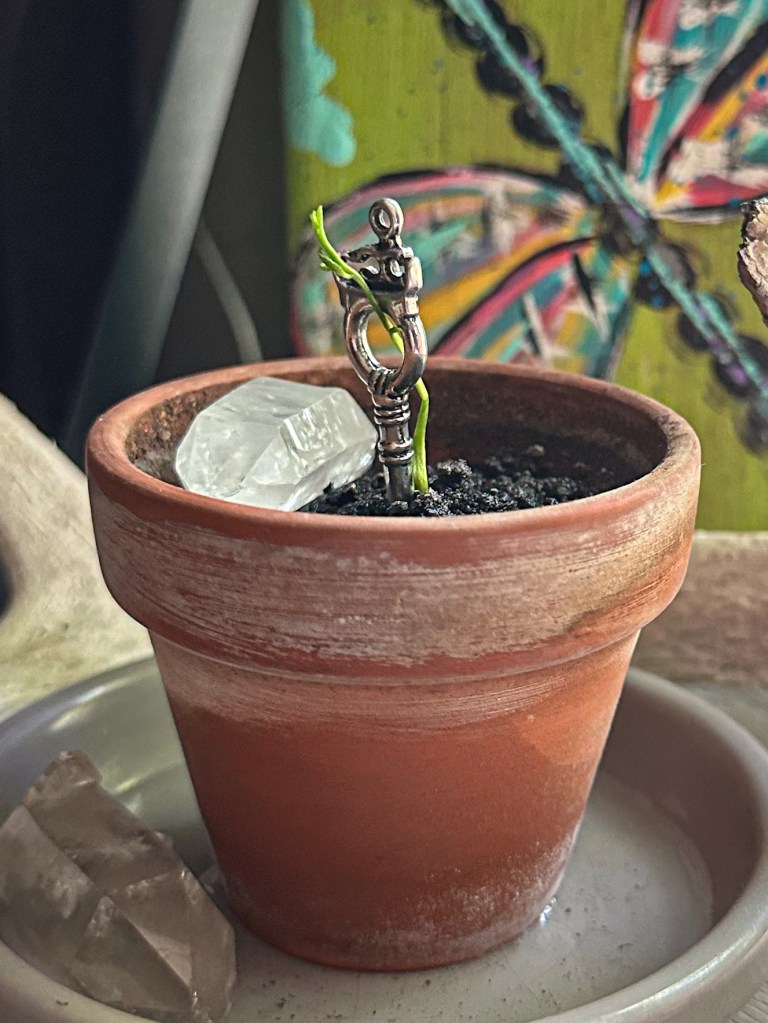
A key charm I used to wear on a necklace, topped with a tiny crown. I’d forgotten I even had it—much less that it was right there, waiting. “Onward,” I thought, with a quiet half smile on my face.
Something about that silly, sweet “coincidence,” and the act of pressing the charm key-down into Sir Citrico’s pot to give him a bit of love and support with his morning drink, woke something up in me again. A flicker of the old rhythm. That feeling from the days when creating wasn’t about productivity. It was about presence.
Sir Citrico, with his temporary crown and support.
And then I shared it with J.
I texted him a couple of photos and made a little joke about crowns—as one does when the coincidences start stacking. Just as I hit send, a message from him came through: a photo of speckled eggs in his dusty palm, found in the straw trailer at work with no nest in sight.
We exchanged condolences for the eggs—the unborn and likely gone babies inside them. I said I wished we still had our incubator, even though it was probably too late anyway. He laughed about the crowns in emojis. Sir Citrico brought us both back to center again just by existing and being okay.
From there, the conversation shifted—creeks and mushrooms and foliage we hope to stumble across on our next hike, wild clay we’d already foraged, the phoenix we’d raise from the ashes of our old fire pit when we turned it into a makeshift open kiln.
We started remembering. Talking about past walks in the woods, daydreaming about future ones. Backyard projects we could try this weekend (weather permitting, praying hands). The kind of inspiration that makes your hands ache to touch the earth again.
And as the brief moment—it couldn’t have been more than five minutes—passed and he returned to work, I sat there realizing, “we’re both already halfway back.”
It’s been a really long decade. I’ve been in and out of creative energy and back and forth with sharing here. This post, though, feels like the first in a new (but old) rhythm. A return to the backyard (including the woods, and nearby nature preserves) adventures that once were my lifeblood: gathering moss, bones, and stones. Saving driftwood. Watching the forest change one quiet degree at a time. Building with what we already have.
As I sat down with my tablet to list supplies—starting with Borax, because these ants are officially on notice—I got a notification that my old blog domain had been released. After all this time, I was finally able to repurchase Catacosmosis.com for $13 instead of the $100 redemption fee. I’d let it lapse, along with so many other things, after Master Roshi died. I tapped the notification and smiled… and what do you think I saw at the top of the page? A tiny little crown. A purple one, no less—my favorite color.
I’ve already been collecting ideas for upcoming posts: photoblogs, step-by-step tutorials on processing wild clay, how we’ll turn our backyard fire pit into a makeshift open air kiln, color palettes and Mextures formulas for documenting spring and summer through the lens of new eyes.
So maybe—finally—I’m stepping into writing here regularly again.
Writing about art and energy. About the sacred mundane. About the projects that call to our hands and our hearts in equal measure. There’s no rush. No master plan. Just the inspiration. Just the slowly forming Spotify playlist:
There’s only the ambient existence of time, and the understanding that it isn’t meant to be wasted on stuckness, resistance, or the fear of letting go of what’s already passed. This time, there’s true, deep healing.
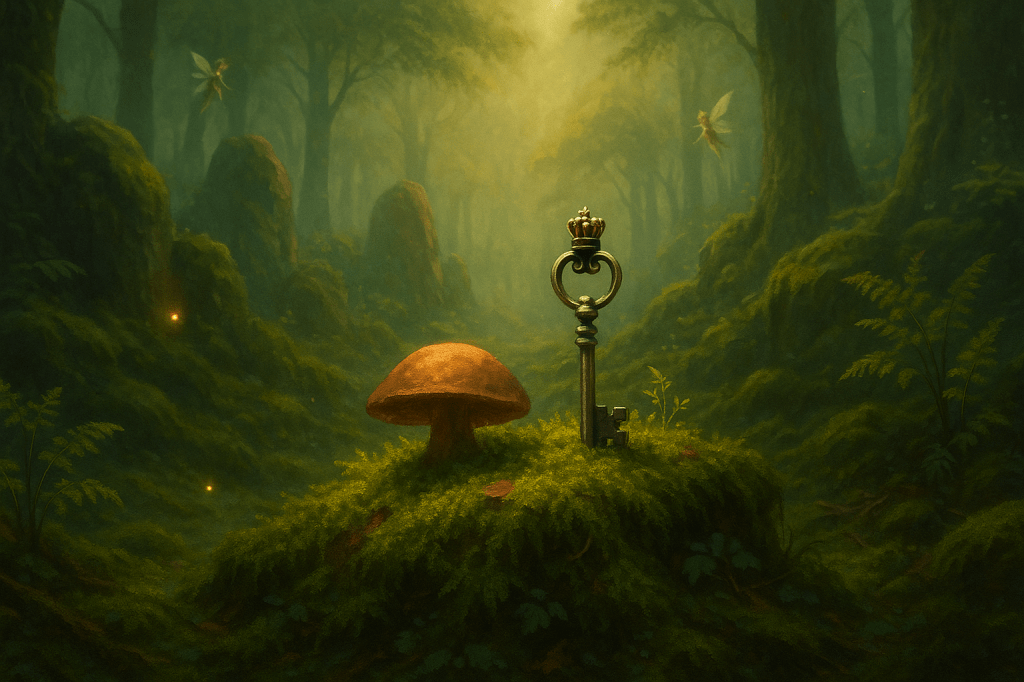
It’s been a hell of a decade, but for the past several months, there’s been this eerie, chosen quiet. There’s been the grace of being able to go inward—to hermit, soul-search, and sit with God and the trees and the spirits of the ones who never really left. They show up in their magical love notes from the Earth’s skin…where moss carpets memory, fairies stir the wind, and the invisible speaks in vibrations.
They’ve fed me the songs on that playlist—music for the sacred unseen. Music for stone circles, forest floors, phoenixes rising from the dust—and the soft, golden ash of everything you thought you’d lost.
And what’s left, for me?
Just a garden of small, sacred yeses.
And, the joy of going on the adventure again—this time with my boys, and our dogs. No one who needs 24/7 caregiving—no one who is sick, no one who is dying. No one who “needs” so much of me. Theres just the invisible magic of memory, presence, and the quiet, sovereign path we’ve chosen for this chapter. The one that’s ours… even if it’s not what the world calls “normal.”
Because artists aren’t like other people.
That’s one of the truths my spirit keeps showing me—especially now. Creating things from what’s around me—from cameras and acrylics and powder pigments to binders and water and dirt, to the words in my head and the Divine in my heart—it’s not just what I do. It’s who I am. For years, I’ve said I didn’t want much in the way of what money could buy, and the last few months of solitude have shown me how true that really is.
“Your life is not normal.”
I’ve heard that sentence more than once lately. And while I usually walk in confidence—especially since everyone died—this one time recently, the words landed harder than they should have. They made me buckle, just a little. Maybe it was because of who they came from. Maybe it was just the audacity, considering the lifestyle they’ve chosen for themselves (which is also very different to “most people”). Either way, it stung—not because it was true, but because it carried judgment where there should have been understanding.
I know many of you have heard similar things, and ask yourself similar things at times, this like, “How do you explain your life to people who’ve only ever lived in the traditional one?” People like you and me—we wrestle with questions like that.
“My friends think I’ve lost it after selling the big house…”
That was something Master Roshi and I talked about often, back when he chose road retirement in his RV. We didn’t question it. We just joined him. Because we were the same. And that’s a big part of why I miss him so deeply.
Then there’s, “I’m just so unhappy. How do you shift your life and still feel supported?”
After everyone died, and I stopped vibing with anyone around me, I chose solitude. That question rang loud in my head for a while, too. But through that, I found my Self again, and was able to answer that one for myself as I remembered how little I really needed from anyone else—that I was my own validation—and that my relationship with God was enough.
The truth? I don’t have all the answers. They’ll look different for every person, every season. But here’s what I do know:
Normality is subjective. It’s based on one’s reality. And yes—my life isn’t normal to a lot of people. But there’s a growing community on this planet made up of people who also live a little differently. There is a growing population who challenge the finger that points and says, “That’s not normal.”
Those people? They each have stories. They each face their own challenges. They each carry the wisdom that grows when you live a life you chose.
That community is rising. Connecting. Becoming its own new normal. I think the real divide only happens when we compare each other’s “normal.” But if we allow for difference—and embrace it—then we create space for all of us to live the lives that suit us best.
That means celebrating all kinds of normal:
The traditional homes. The 9-to-5s. The “starving artists,” the couch-surfing writers, the stay-at-home moms, the dirtbag van-lifers, the families living out of buses and backpacks and intuition.
There’s room for all of it. There’s room for all of us.
My two cents?
The best thing we can do is make peace with the chaos in our own minds. Keep being exactly as different as we need to be to build the lives we want to live. Let the judgment come. Let the questions linger. Let it all teach and grow us. Embrace it.
And then…
Let them watch, regardless of judgments, as we settle in—and thrive—in our own unique ways.
Maybe that’s the whole point.
The comment I made earlier—about how we’re already halfway back—has been echoing in my spirit ever since. At the time, it felt like a casual observation. But now, as I finish writing this, I see it for what it was: a recognition.
It was a realization that somewhere between the grief and the stillness, the long walks and quiet days, the moss and music and small, sacred yeses—I had already crossed the threshold. Without fanfare. Without fireworks. Just… step by step.
The world didn’t shift all at once. I did. And now, standing here in the soft light of this new chapter, I think about Queen Elizabeth II’s words again:
It’s worth remembering that it is often the small steps, not the giant leaps, that bring about the most lasting change.
She was right.
The change was never just one big choice. It was every tiny act of trust. Every time I listened to Hid and my higher self, no matter what it “cost” me. Every time I kept going when no one else could see what I was building.
And somehow, without even realizing it, I arrived.
In my mid-20s, I experienced an interesting exploration of death as a subject in my work, professionally and creatively. Delving into the intricate realms of death became an unexpected but necessary journey. Originating from my research and work in psychology, the fascination found a niche in the recesses of my mind, dancing at a newly discovered crossroad: psychology and spirituality.
The illusion of immortality, a comforting notion in my youth, began to unravel, and a sobering awareness seeped in – a gentle reminder that time, despite our desires, marches on. This realization stirred occasional anxiety, yet it birthed within me an artistic sanctuary. While my “irl” associates and friends were rather put off by such a topic of discussion, it was given tangible validity within the “lovely dead stuff” community on Instagram.
Back then, Instagram thrived on genuine connections, nearly two decades ago during its inception. Communities flourished, spanning from technical visual elements, like layering textures and tones, to profound philosophical discussions embedded in art. It was within the latter that the “lovely dead stuff” tag/community found its home. While the platform’s landscape may have evolved, I suspect its essence endures, adapting to the shifting tides of philosophy and the world’s unfolding events.
The “lovely dead stuff” community, a haven for kindred spirits, provided a liberating space where my inquisitive mind and creative endeavors harmonized. In those formative years, it fostered an environment that not only embraced my curiosity but also guided me in the art of amalgamating thought and creativity. It became a conduit for transforming introspection into tangible expressions, a timeless journey that shaped both my understanding of mortality and my artistic identity.
During that formative time in my spirituality, I realized that the connections between psychology and spirituality were becoming a pressing issue in my still immortal mind — I think I wanted to, like many, freeze time and never die and there was this underlying current of consciousness beginning to happen to me that screamed, “you’re not as immortal as you think you are, young ‘un!”
It would sometimes create a lot of anxiety, those explorations, but I am so grateful that I found an outlet in the “lovely dead stuff” artistic community on Instagram. It was a liberating community that embraced all those levels of me (brain, heart, and soul) and helped me learn to employ them simultaneously for the first time in my life (I’d never been allowed that prior to that time in my life). I was able to create some tangible reality out of it all.
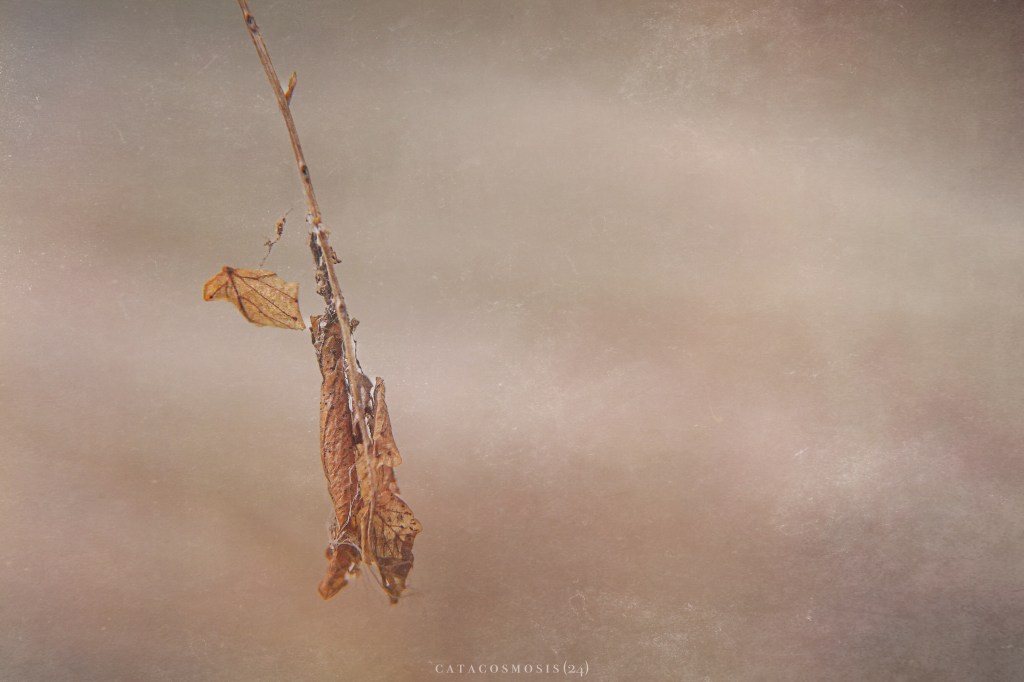
I was not expecting to revisit those memories or that topic today, but I found myself considering it as I “walked the yard” (a Dorie thing that some of you may remember) this morning in search of moss to photograph for a mixed media project I was working on to commemorate my mother’s birthday. Amidst the quiet canvas of nature, the stark contrast between the lingering death of winter and the emerging promises of spring captured my attention. Winter’s remnants, laid bare and hanging in the air, echoed the transient beauty of life’s inevitable cycles. Meanwhile, the subtle signs of spring’s awakening breathed new life into the scene, embodying the enduring spirit of renewal and the continuous dance between life and its inevitable counterpart.
It served as a poignant reminder that, like the seasons, our perspectives too undergo a perpetual transformation, each moment holding within it the delicate balance of both closure and new beginnings. Here’s to remembering and retrying forgotten editing skills, and to whatever comes next…
Happy birthday, Mama. Thank you for the lessons, and the love. I miss you…
You don’t know what someone is dealing with…what they’re going through. Sometimes a person can be confident and also anxious, look healthy but be sick, look happy and be miserable, look good but feel ugly, act hopeful but feel hopeless, smile and be broken, or never smile at all and be happy… You don’t know. So unless you ask, don’t judge. Don’t assume. Sometimes a person you see every single day or think you know very well can be fighting battles you know nothing about.



 catacosmosis