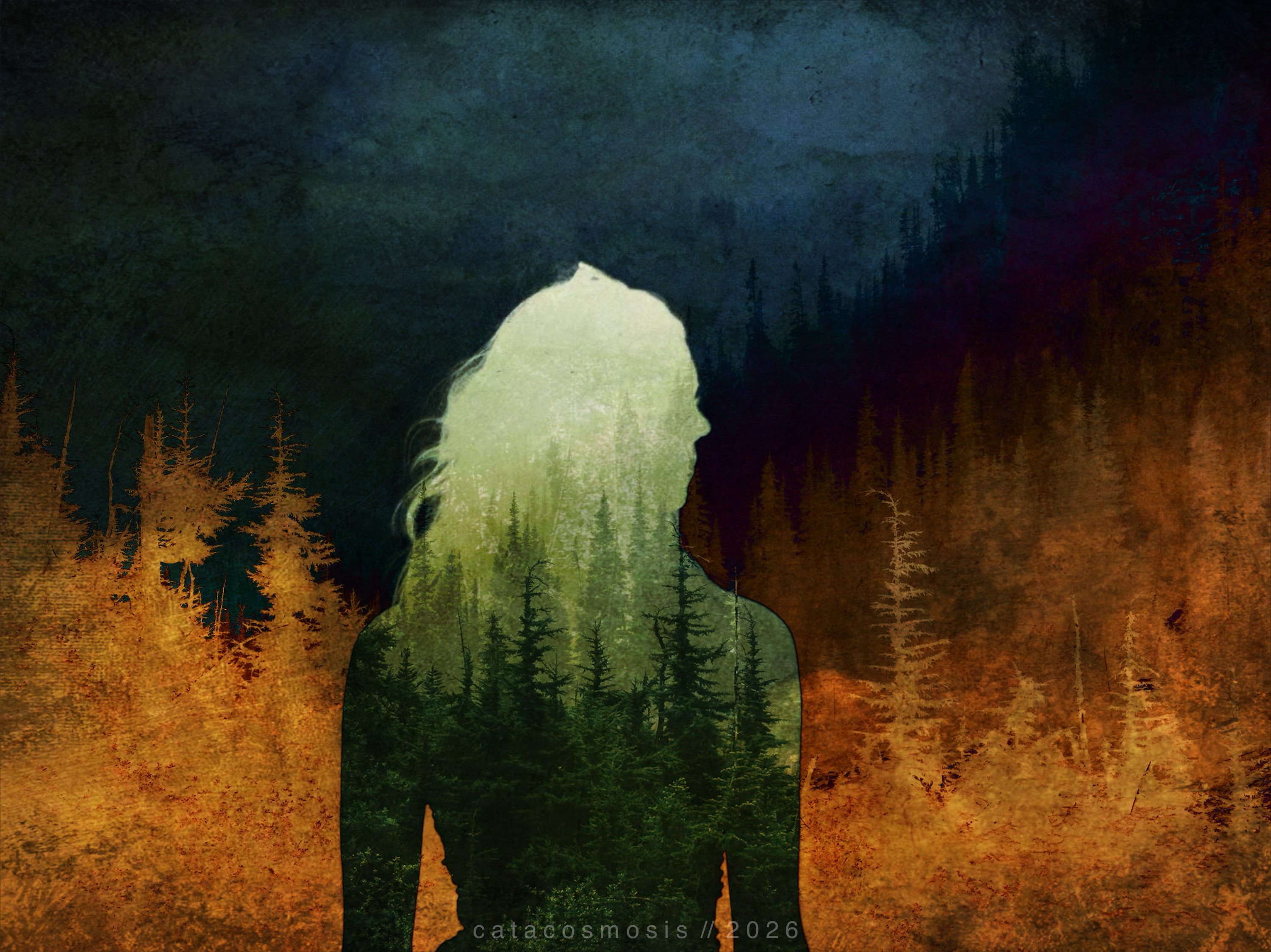
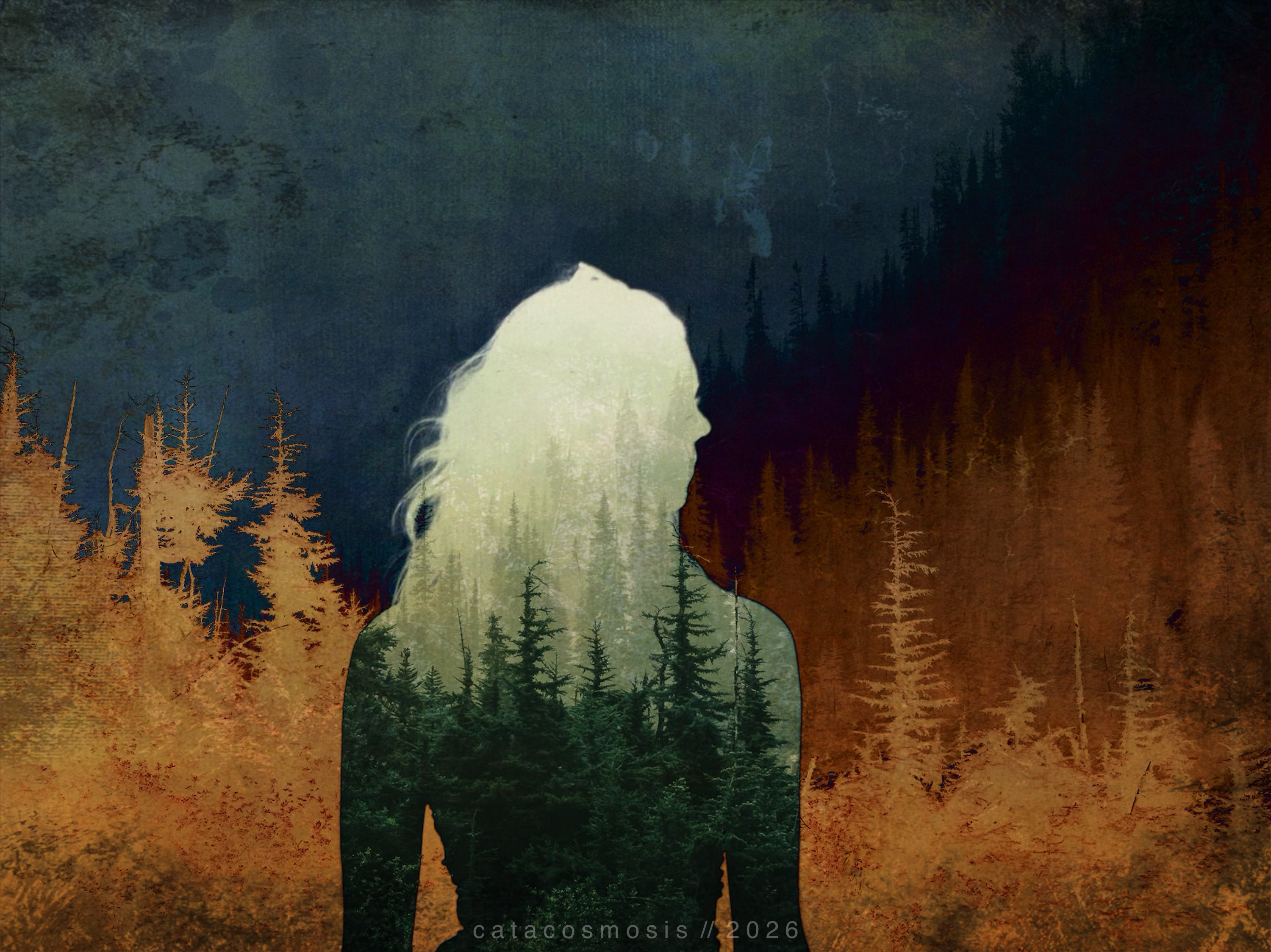
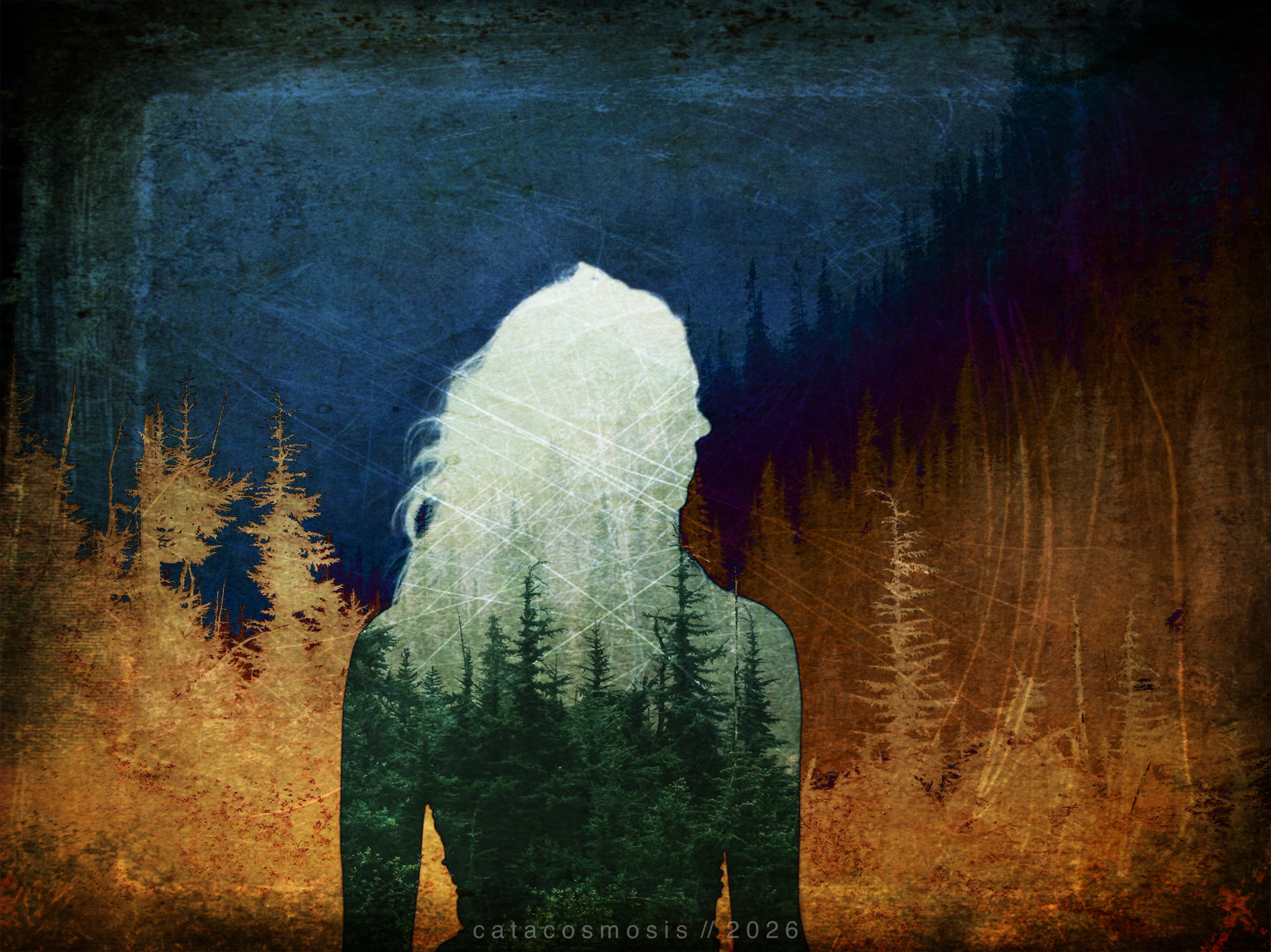
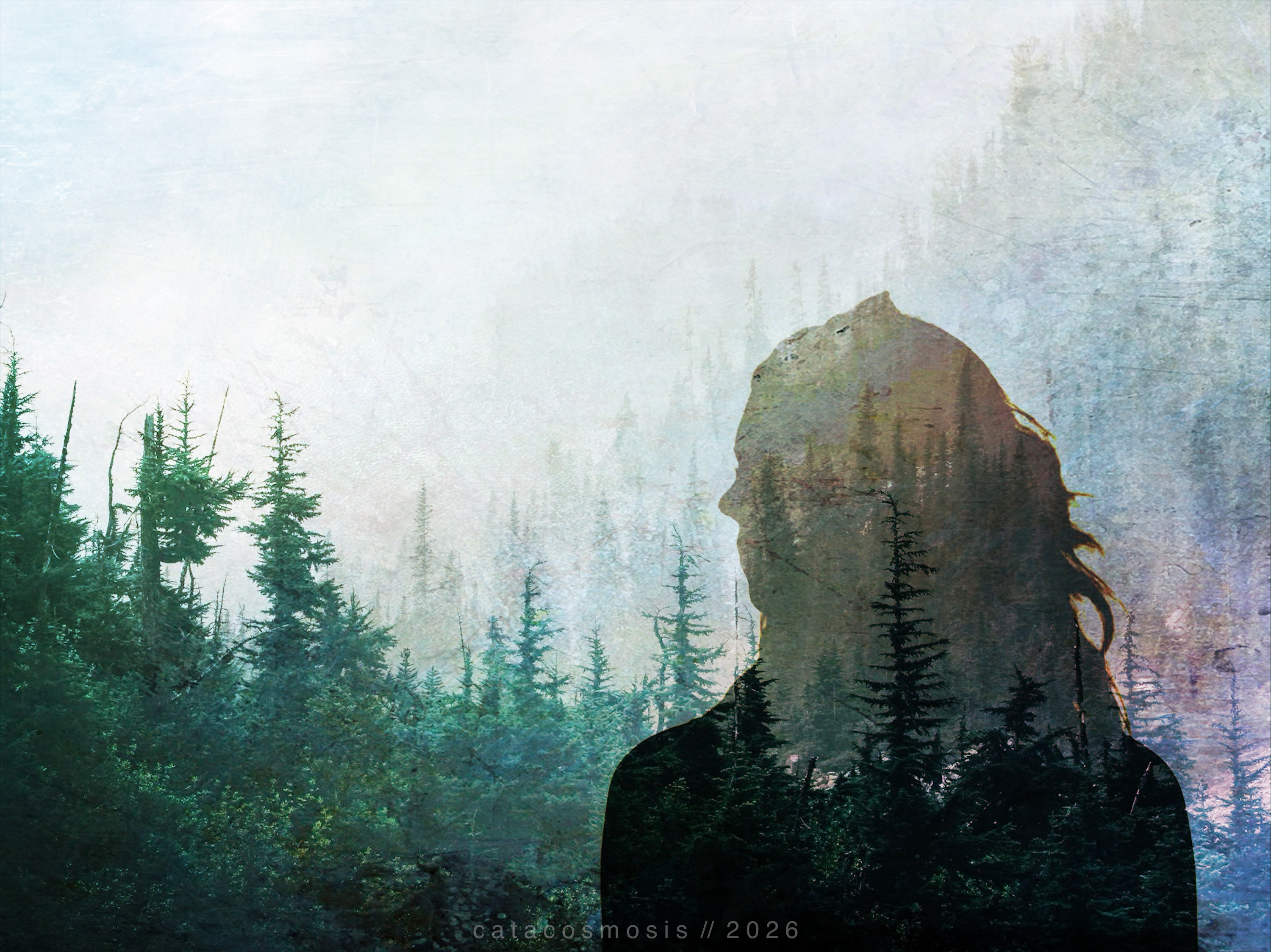
Tag: hipstamatic

  • The Fallacy I’m Finally Leaving Behind

    The Fallacy I’m Finally Leaving Behind

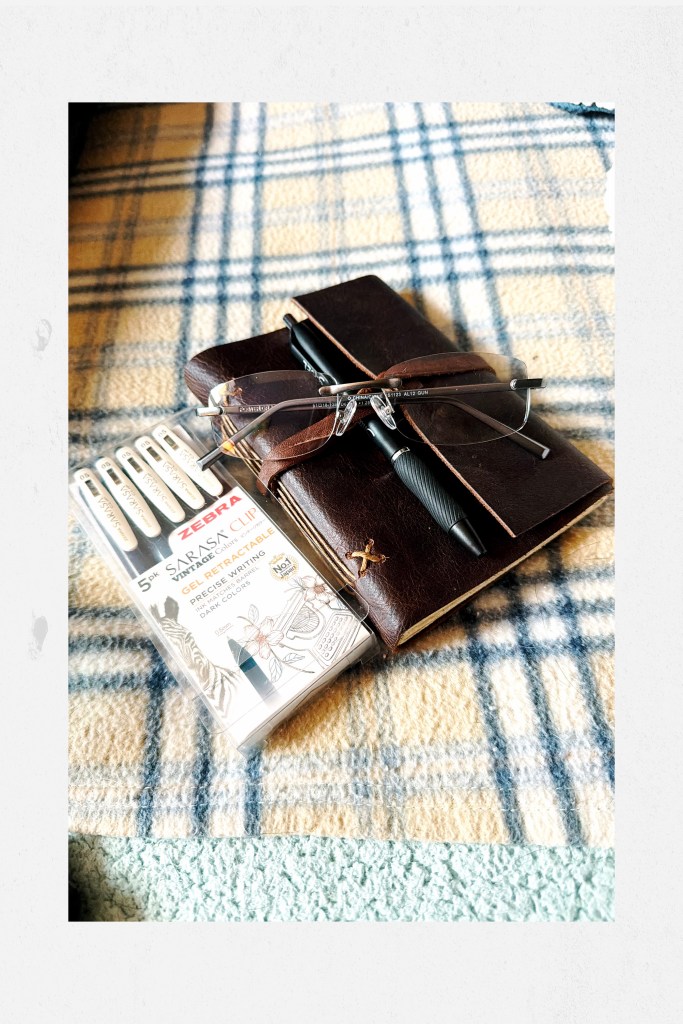
    Rediscovering an old, forgotten treasure – barely touched, but quietly waiting – is a comforting gift as I learn to wait patiently for my body to heal and be ready to move back into the studio.

    iPhone 17 Pro + Hipstamatic X

    This morning I sat with that truth for a long, still moment. As the steady ticking of the clock kept gentle cadence with the rising sun, something settled over me like grace instead of regret:

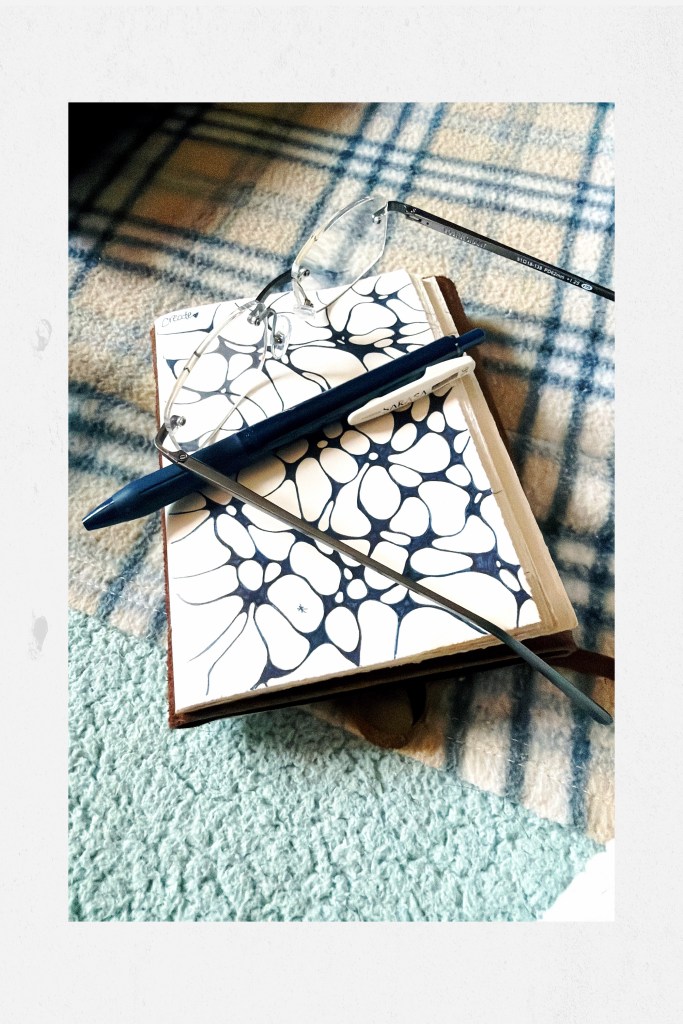
    I have always loved and collected journals and sketchbooks. I own many, yet only a few are filled and several remain untouched – so many sitting in limbo for years, held back by the fear driven fallacy of “messing them up.”

    iPhone 17 Pro + Hipstamatic X

    With age, I am gently defeating that lie. Life is brief, tomorrow is never promised, and no act of creativity is ever wasted – even when the product of the process doesn’t match the vision that first called it forth.

    Now, as I grow older and look back on the many years gone by, I feel far more sorrow for all the moments I never recorded than I ever felt for any imperfect line, any handwriting that wasn’t lovely enough, or any watercolor that fell short of my imagination or my dreams.

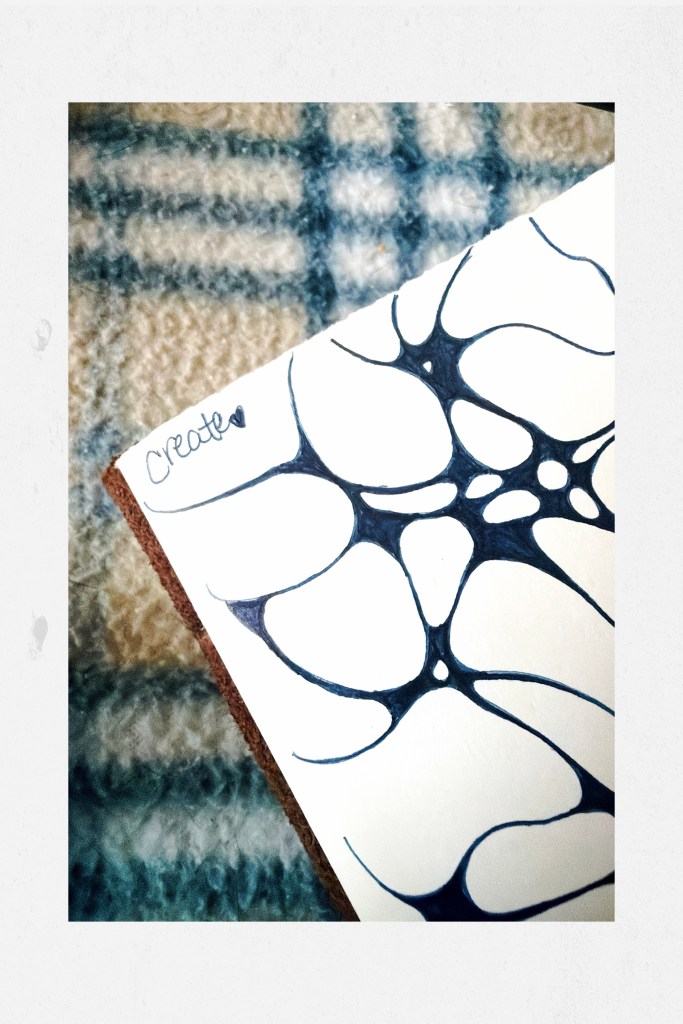
    iPhone 17 Pro + Hipstamatic X

    Moments, art supplies, and blank pages are only wasted when we aren’t present with them… when we overlook and leave them blank for fear of messing them up.

    The only thing that messes anything up is letting fear, doubt or insecurity drive us in the first place.

    iPhone 17 Pro + Hipstamatic X

    🙏🌀✨

    c.

  • Double Exposure and the Art of Letting Two Things Be True | A Mini Tutorial

    Double Exposure and the Art of Letting Two Things Be True | A Mini Tutorial

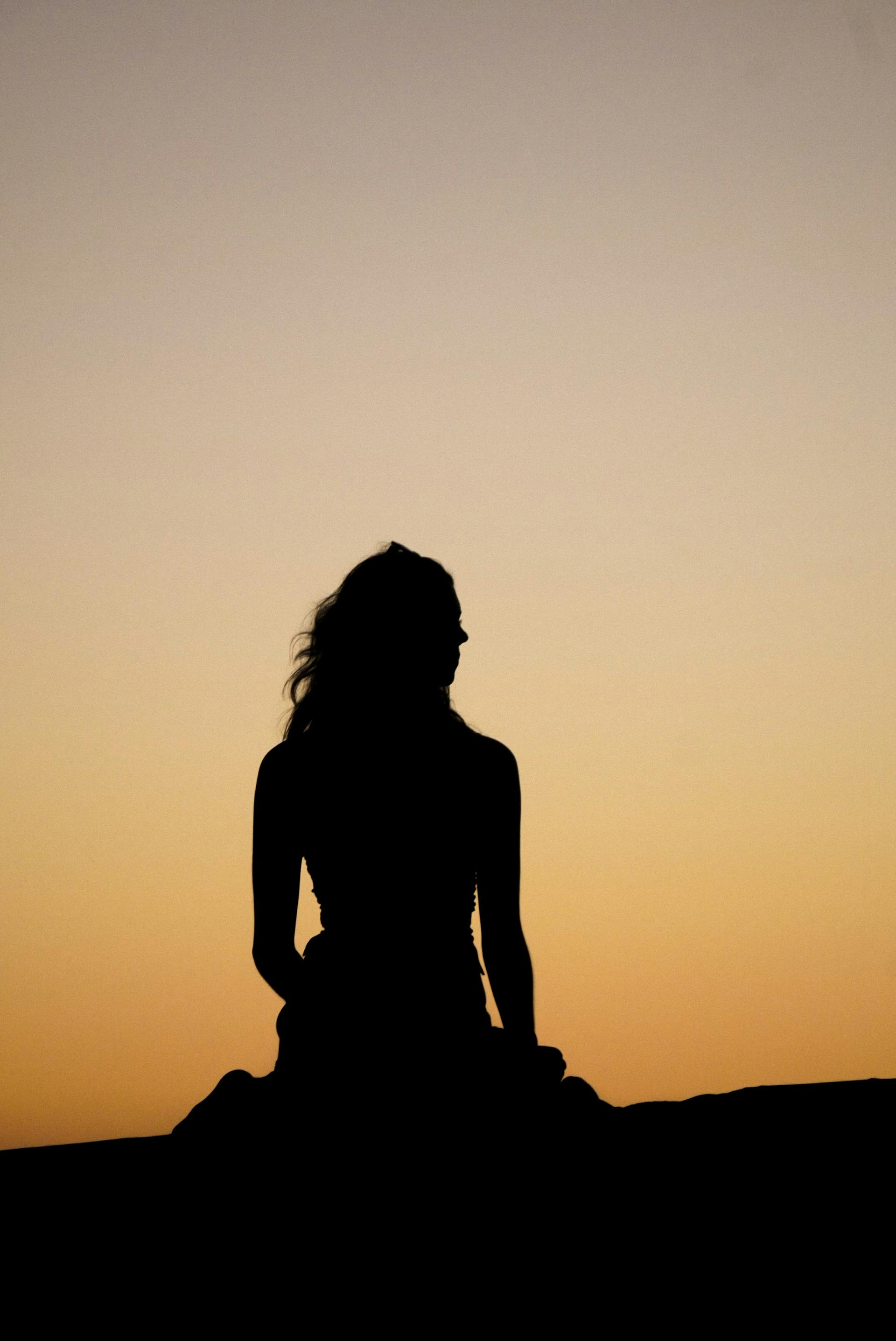
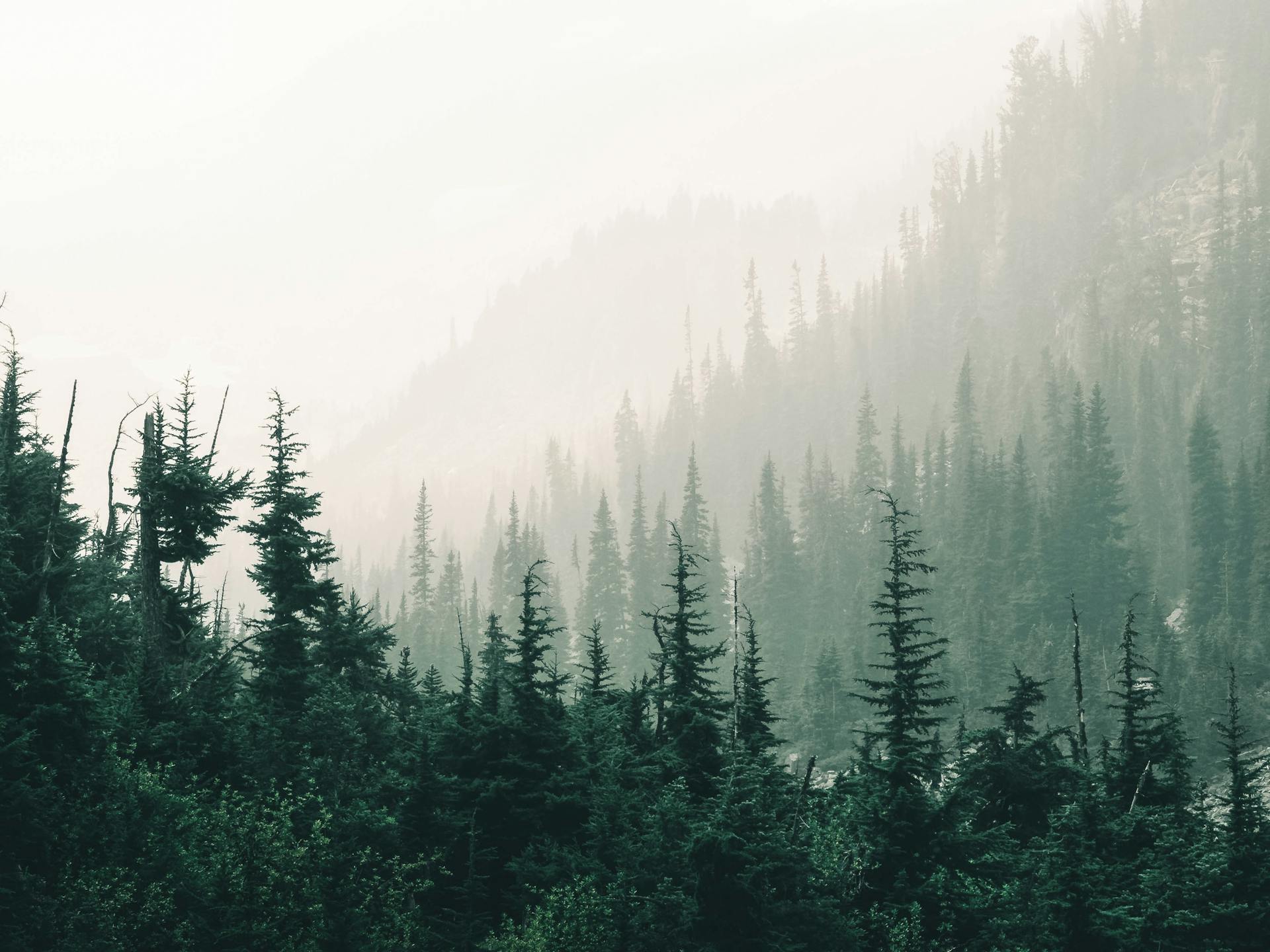
    I have been horizontal more than I would like these past few days. In the midst of post-surgery recovery, there is a lot of lying still. There is also a strange and rare gift of unhurried time — the kind most of us don’t often get. In those slow stretches where you can’t do much but think, daydream, or remember, and the very real temptation of doom-scrolling beckons to distract you, I instead found myself revisiting some older work. In that process, I somehow ended up consumed by some double exposure pieces I had made and mostly forgotten. They were composites that reminded me how much I love this technique and how often I talk myself out of making time for it.

    So, me being me, I made a few new composites, and then found myself inspired to share not only the work but the process. This post is part refresher, part honest walk-through of how I actually do it. Not the Photoshop-subscription version… more like the “everyday life one” with mostly free tools, and apps you may already have on your phone.


    What Double Exposure Actually Is

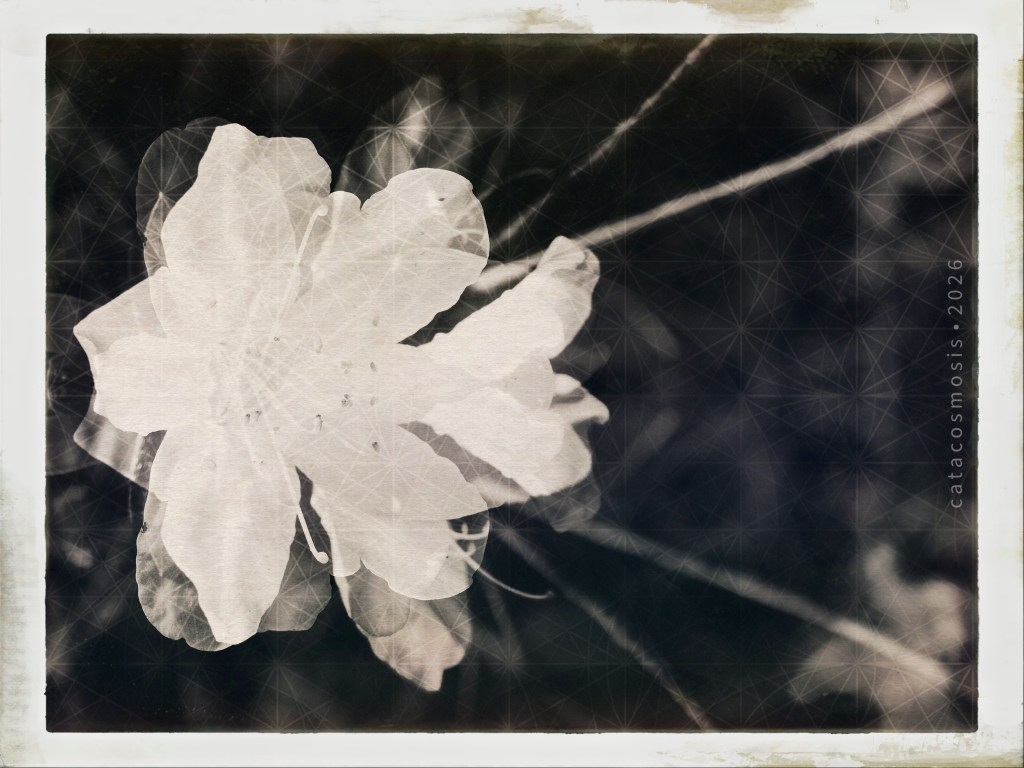
    The term “double exposure” comes from film photography, where you’d expose the same piece of film twice, burning two images into one another. Digitally, you’re doing the same thing with more control and far more forgiveness.

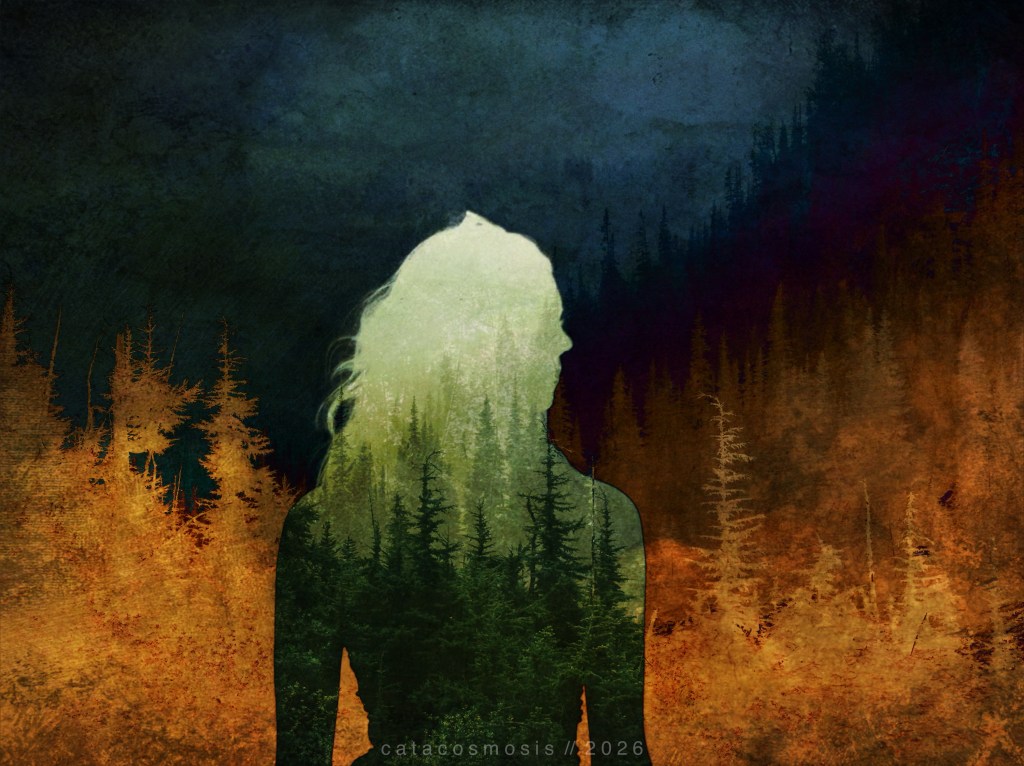
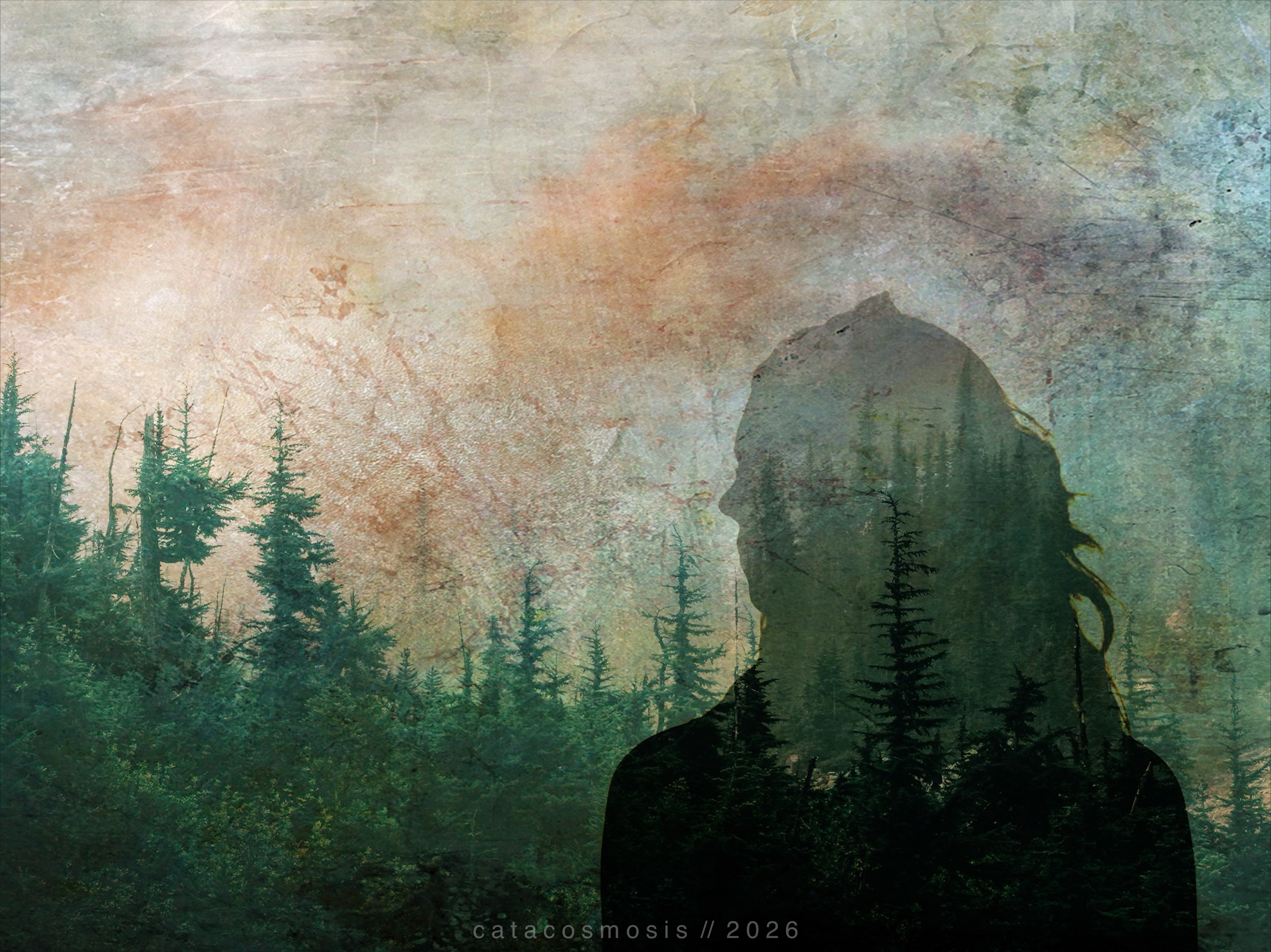
    What makes a double exposure feel cinematic rather than just layered is intention. When your images are chosen carefully and the blend serves a mood rather than just a technique, it stops being a trick and becomes a story. Two things in conversation with each other inside a single frame.


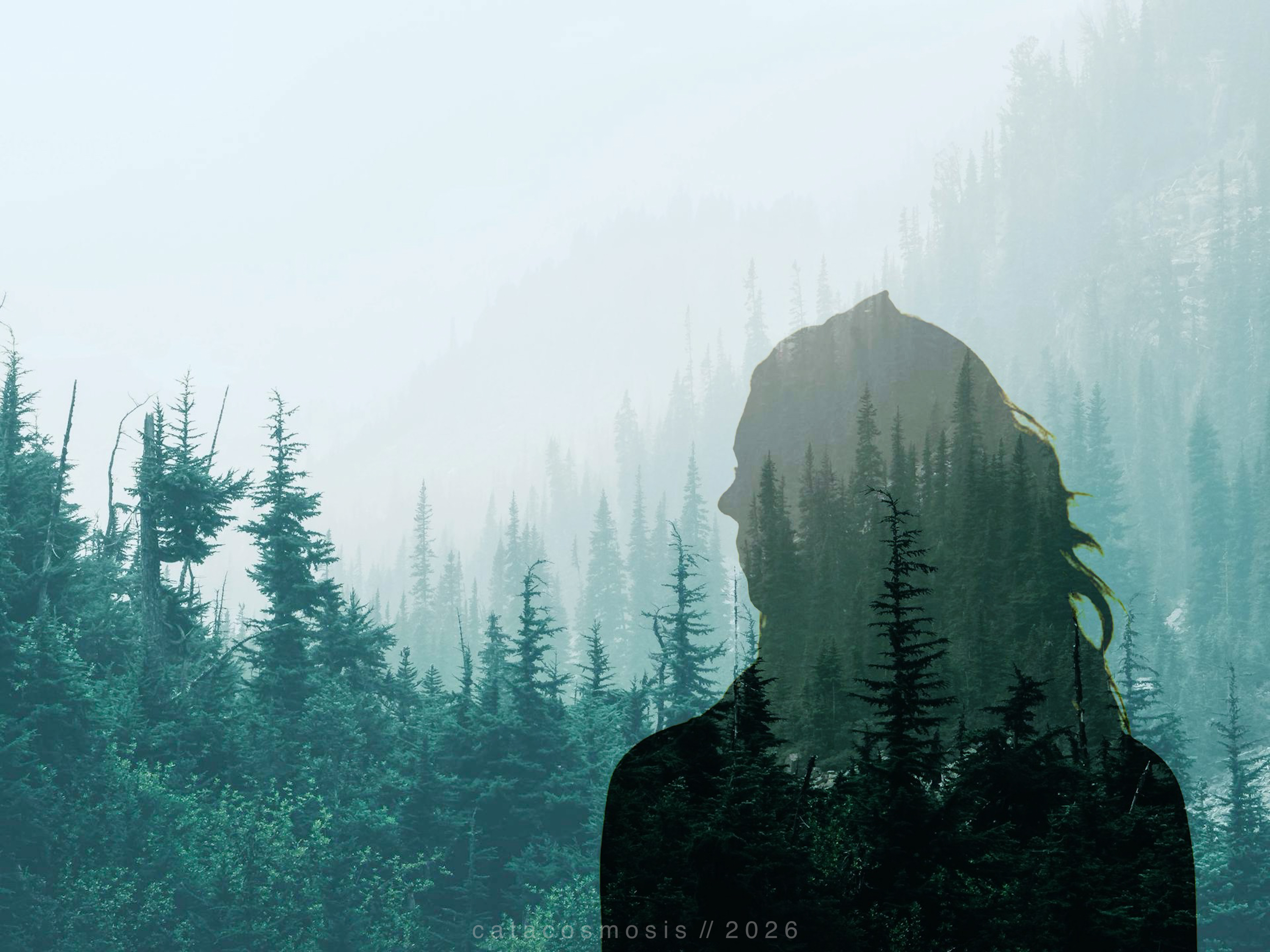
    “She Carries the Forest”


    The Tools I Actually Use

    I work in two stages: compositing first, then finishing. Here is how that breaks down.

    Desktop and Browser Apps for Building a Composite: Photopea and GIMP

    Photopea is the tool I reach for most often now when I want more control. It is free, browser-based, and works almost identically to Photoshop. No download, no subscription.

    The basic double exposure process in Photopea:

    1. Open your base image
    2. Import your second image as a new layer
    3. Try the Screen blend mode first. It lightens and ghosts one image over another beautifully. Multiply deepens and darkens. Overlay adds contrast and drama. Each one tells a different story with the same two images.
    4. Add a layer mask with a soft brush to refine where the blend shows through and where it stays clean
    5. Use adjustment layers on top, curves and hue/saturation especially, to pull everything into a unified mood

    GIMP follows the same logic with a different interface. Both are free. That’s why I chose them.

    Mobile Apps for Building a Composite: Union, Fragment, and Tangent

    If you want to start quickly and stay on your phone, Union is the most direct route. It was built specifically for double exposure. You load two images, choose a blend mode, and use simple masking tools to control where each image shows through. It is intuitive enough to produce something genuinely beautiful in a short session, which matters when your energy is limited or you just want to experiment without committing to a long workflow.

    Fragment (by the same Pixite team as Union) adds prism and dispersion effects. It is not a double exposure app on its own, but it layers beautifully on top of one, especially when you want a fractured or dreamlike quality to the final piece.

    Tangent, also from Pixite, is no longer available in the App Store, but I still have it on my phone. It survived through iCloud backups and still works for now, though I expect it will stop working once iOS moves far enough along. I’m including it here because it’s genuinely part of how I work, not to send you on a hunt. If you want that same geometric, fragmented quality, Fragment by the same developers (mentioned and linked above) is still available, and lets you bring in geometric overlays and shapes beautifully. I’ve used it to add structure to a double exposure that would otherwise feel too loose.

    Finishing in Mobile: Lightroom Mobile, VSCO, Hipstamatic, DistressedFX, Mextures

    Whether I build a composite on the desktop in Photopea or GIMP, or put it together entirely on my phone, I almost always bring it into mobile apps to finish it. The finishing stage is where an image stops being a technical exercise and starts feeling like something. It’s where mood gets locked in, color finds its voice, and the texture that makes a piece feel lived-in gets added.

    I should also point out that I don’t generally use all of these apps together — I pick and choose them based on what I want to achieve in my final image. Some pieces need one pass through Lightroom and nothing else. Others get layered through three or four apps before they feel right.

    Lightroom Mobile is where I do tonal control, color grading, and clean watermarking before anything goes public. It is not fully free, but it is available both as a mobile app and through a web-based library, which means your work is accessible across devices without losing anything — and that contributes to my reasoning for paying for the full version yearly. The multiple access points plus the free storage are as valuable to me as the tools themselves. What I love about Lightroom Mobile is the precision it offers without being intimidating. The tone curve alone can completely transform the emotional register of an image, pulling it toward shadow and mystery or opening it up into something luminous. The color grading tools let me shift the mood of highlights and shadows independently, which matters a lot when you are working with a composite that has multiple light sources trying to coexist.

    VSCO has a library of film emulation presets that do something algorithms struggle to replicate cleanly: they make a digital image feel like it was touched by something physical. I use it when I want warmth, grain, or that slightly faded quality that makes an image feel like a memory rather than a photograph. It is subtle work, but subtlety is often what separates a finished piece from one that almost got there.

    Hipstamatic works differently from most editing apps, including VSCO, because it is built around the actual experience of analog photography rather than digital correction. The lens and film combinations introduce unpredictable light, color shifts, and vignetting that feel genuinely accidental in the best way. When I want an image to feel less constructed and more discovered, Hipstamatic is usually where I end up.

    DistressedFX and Mextures are where I go for purposeful grain, texture, and weathering. DistressedFX leans toward grit (scratches, age, the feeling of something worn), while Mextures leans toward atmosphere (light leaks, painterly overlays, warmth that spreads across an image like morning fog). Together they cover a wide range of that quality that makes a final piece feel found rather than constructed. I rarely use both on the same image, but knowing what each one does well makes it easy to reach for the right one.

    This two-stage approach — compositing first (whether desktop/browser based or mobile) and then finishing in mobile — gives you more flexibility than any single app alone. Each tool does what it does best.

    Together, these apps form a surprisingly complete toolkit. In all honesty, the mobile apps alone are enough to take you further than you might expect. Union builds the foundation, Fragment adds structure and geometry. Apps like VSCO and Hipstamatic bring out mood and add aesthetic feel, DistressedFX and Mextures bring in texture and that weathered, painterly quality that makes a composite feel like art rather than just an edit, while Lightroom Mobile allows you to polish and watermark easily on the go. If you want more control or larger canvas work, Photopea and GIMP are both free and bring desktop-level power to the process without a subscription. You don’t need a lot of technical know-how — just your photos, a willingness to layer one thing on top of another, and a little time to see what happens.


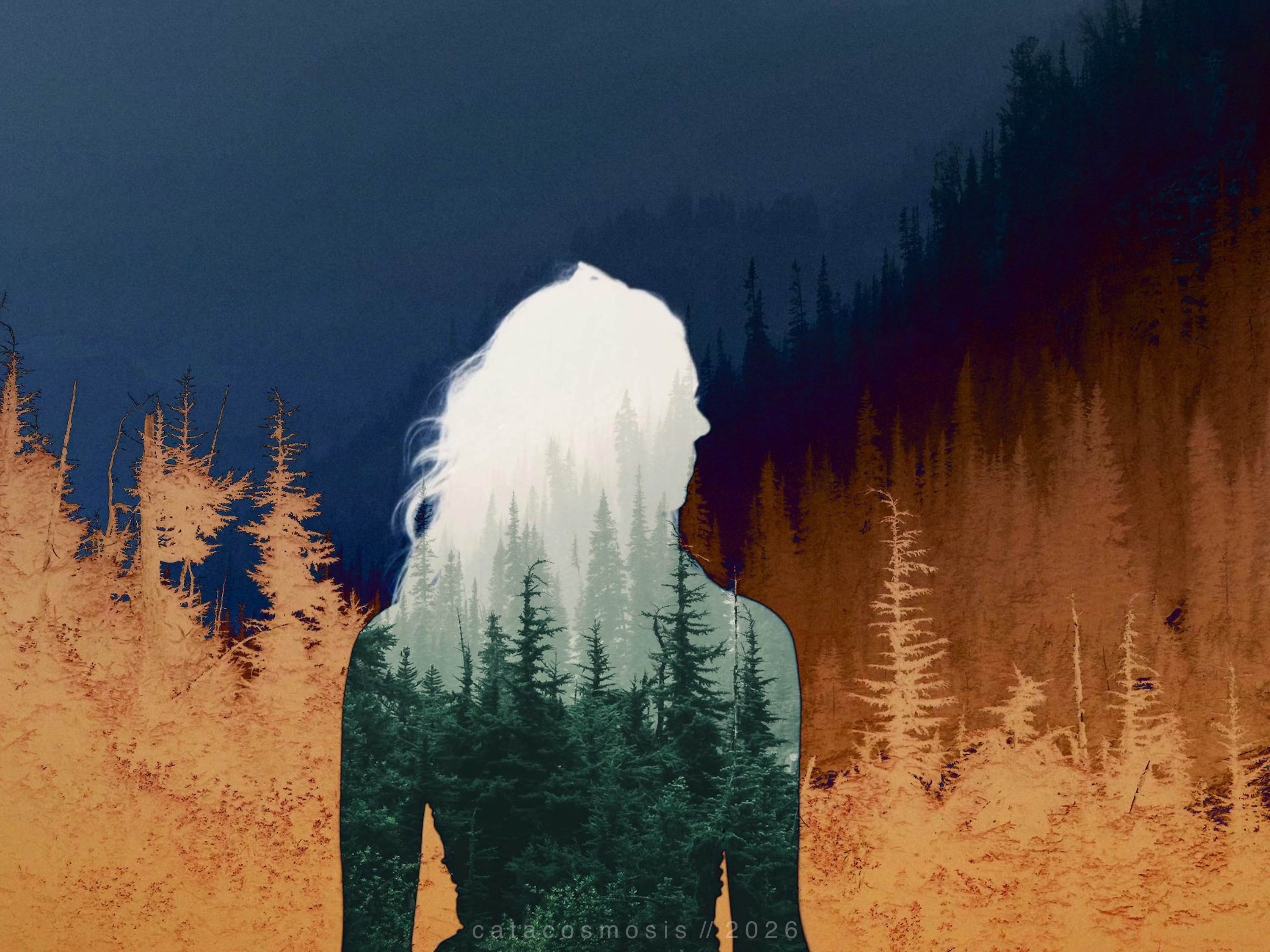
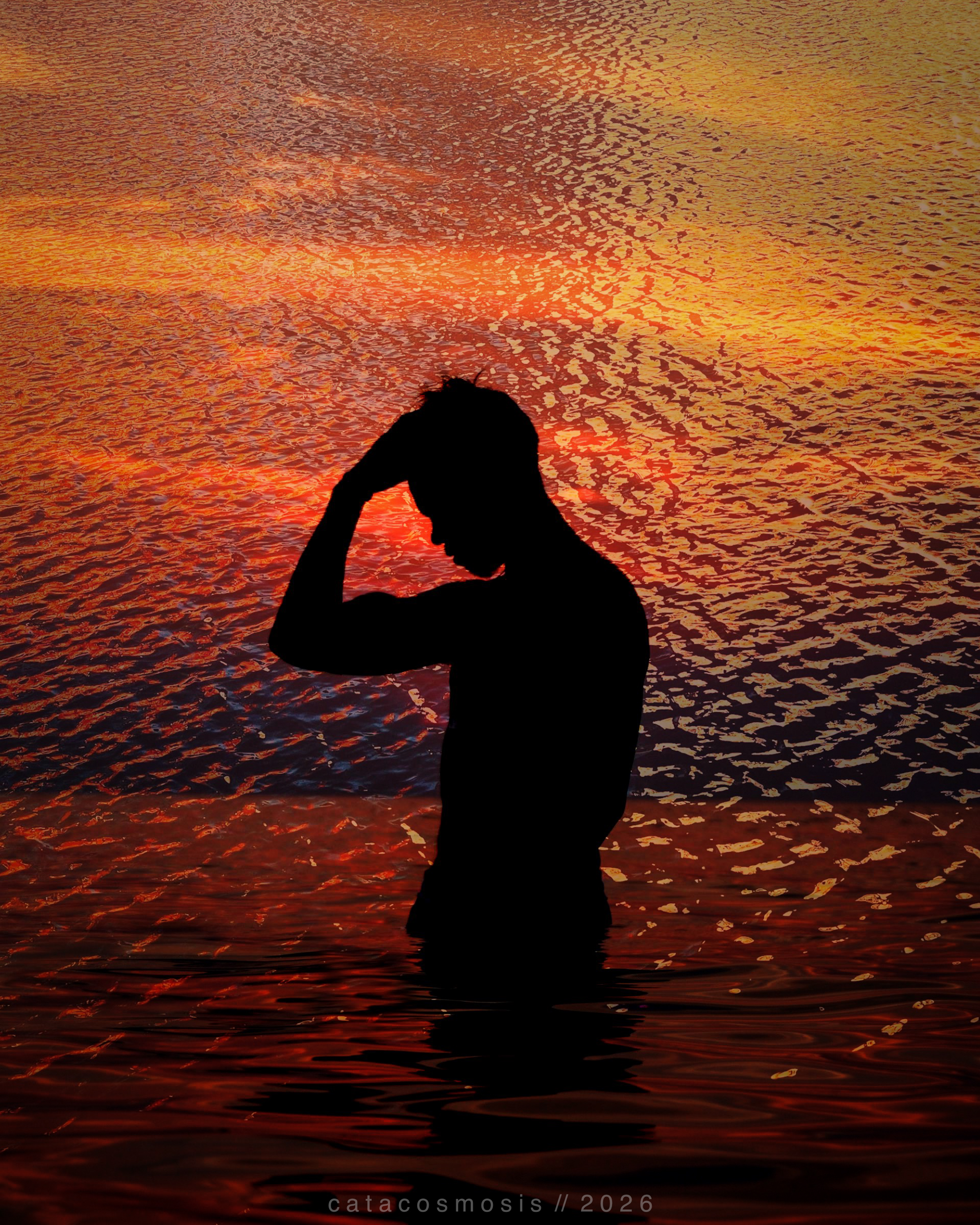
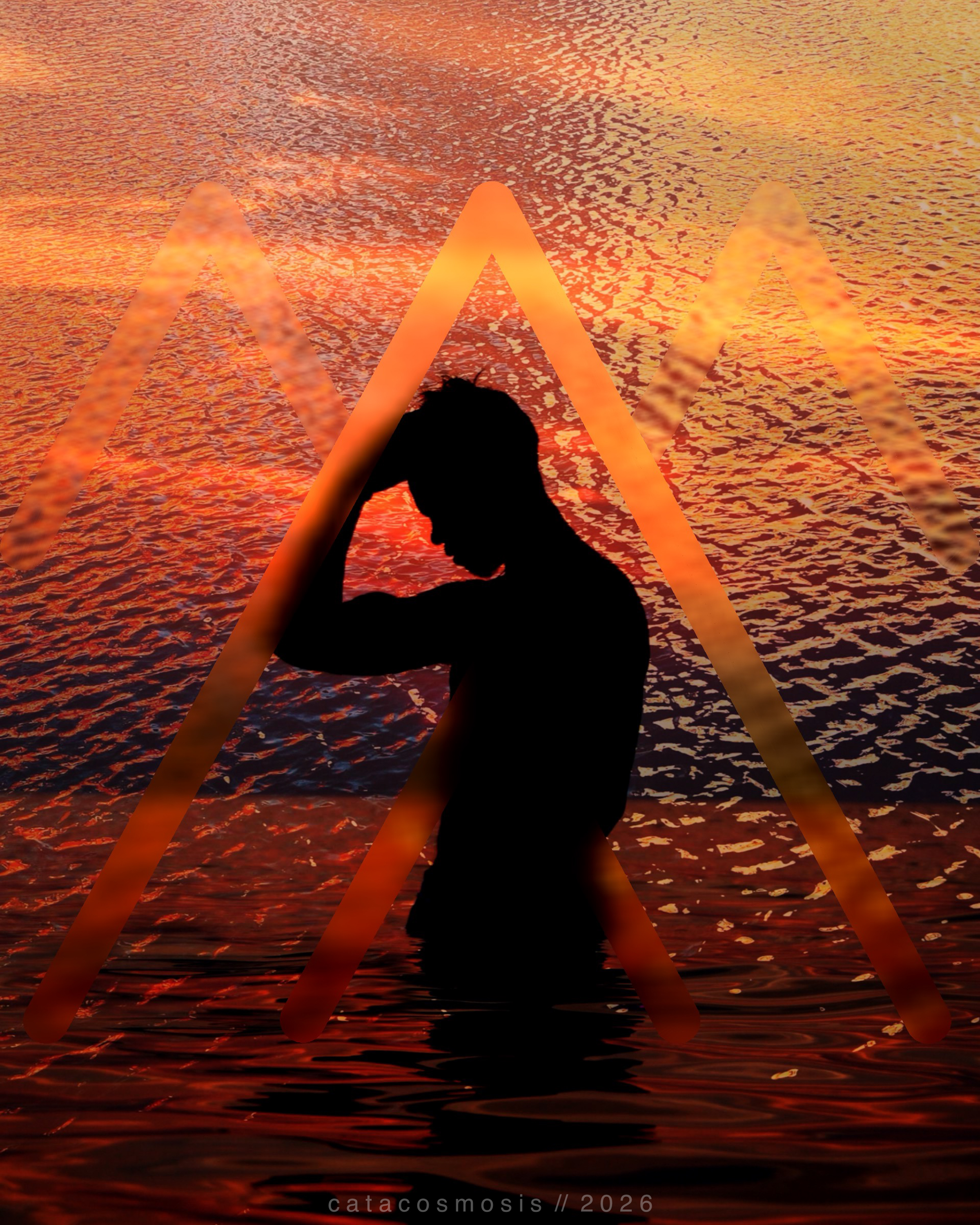
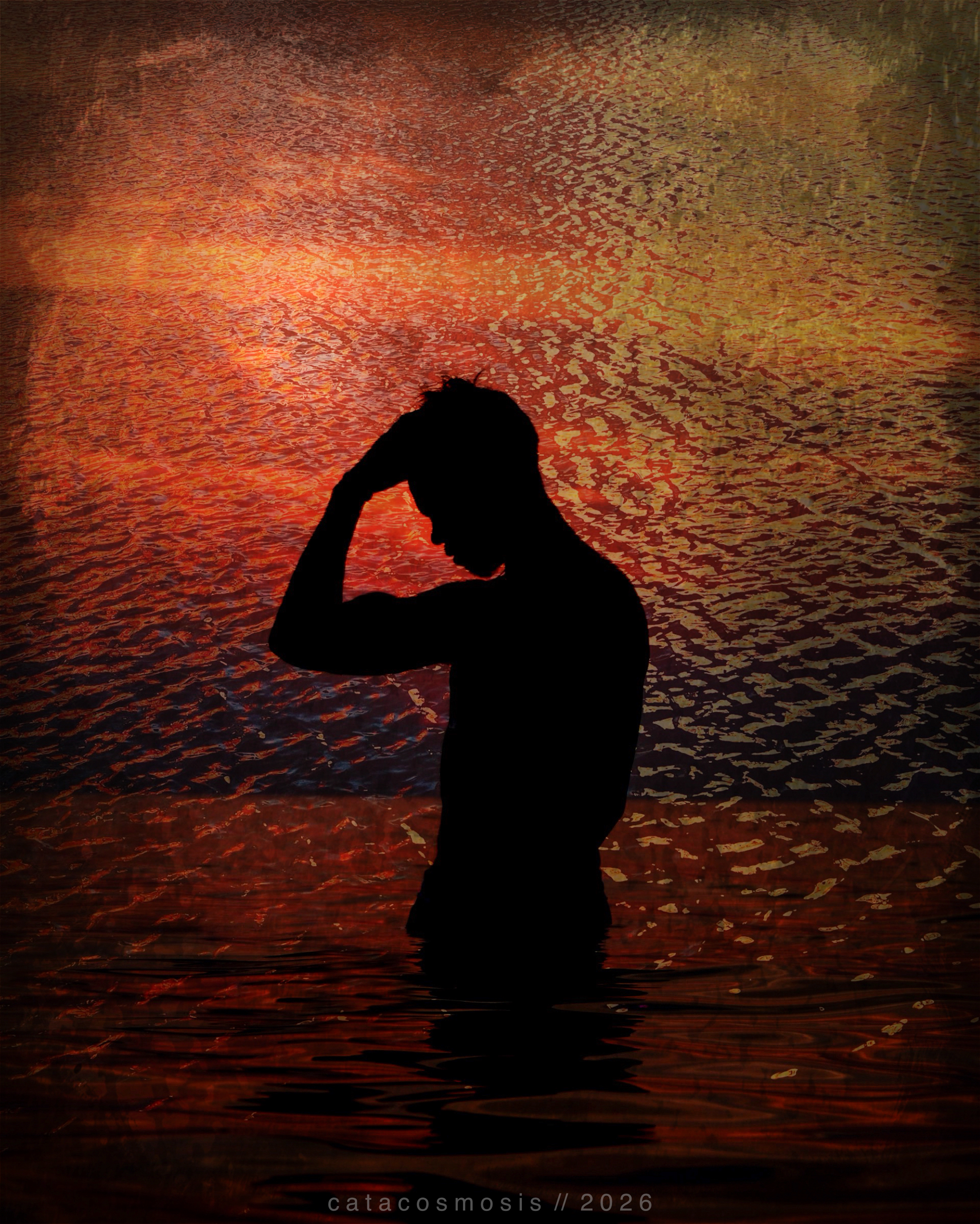
    “The Burning Calm”


    What Actually Makes It Work

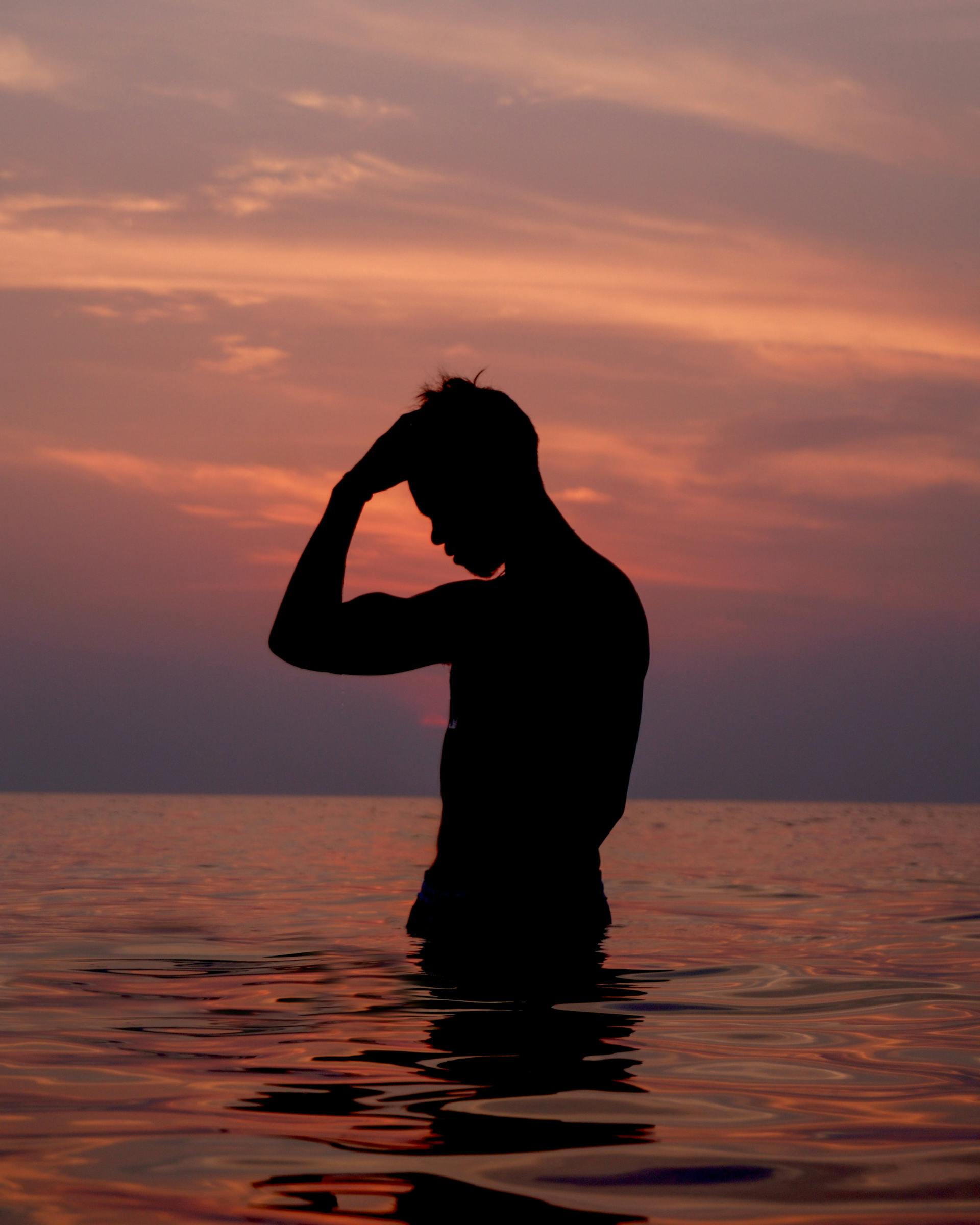
    The biggest difference between a double exposure that sings and one that just looks muddy is image selection. Your two images need to have something to say to each other. At least one of them needs strong contrast and a clear subject. If both images are busy, they will fight. If one is simple and one is complex, they tend to dance.

    Pay attention to lighting direction. When your light sources are coming from opposite sides in each image, the blend reads as accidental. When they roughly agree with each other, it reads as intentional.

    Color harmony carries the mood. A muted, desaturated base with one strong color accent will do more atmospheric work than a full palette competing with itself. That is where your finishing apps earn their place.

    And less is usually more. It is tempting to layer every texture and effect you love, but a strong double exposure often has restraint at its center. Let two things be in conversation, not a crowd.


    A Few Directions Worth Exploring

    • Portrait with nature: a face emerging from or dissolving into trees, water, or open sky (this is my favorite and go-to style for double exposure work)
    • Nature layered over architecture: organic forms in conversation with structure
    • Light sources blended with a subject: sunlight, a window, a candle within another image
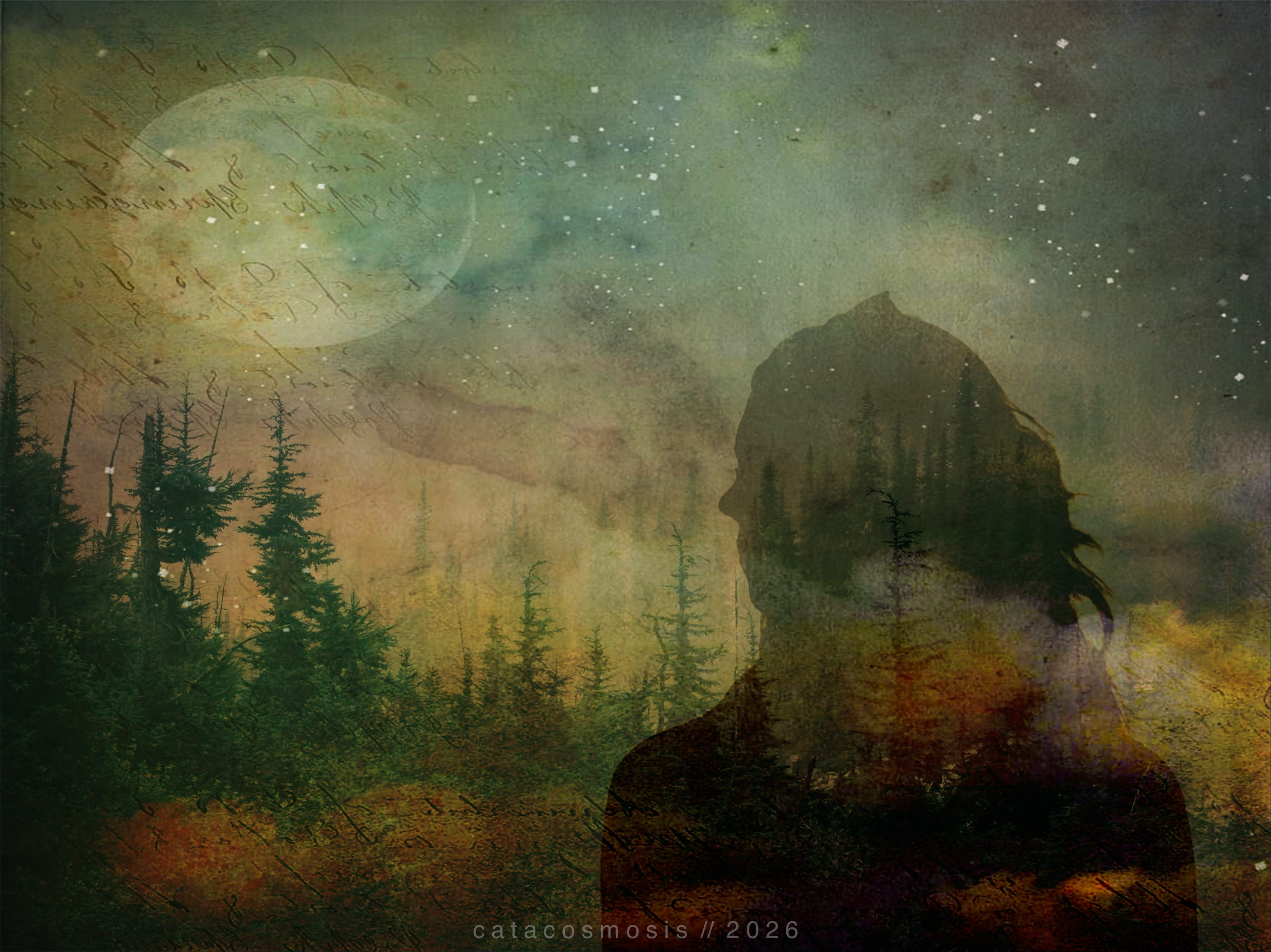
    • Scripture or text layered over photography using a Screen blend: subtle, stunning, and deeply personal

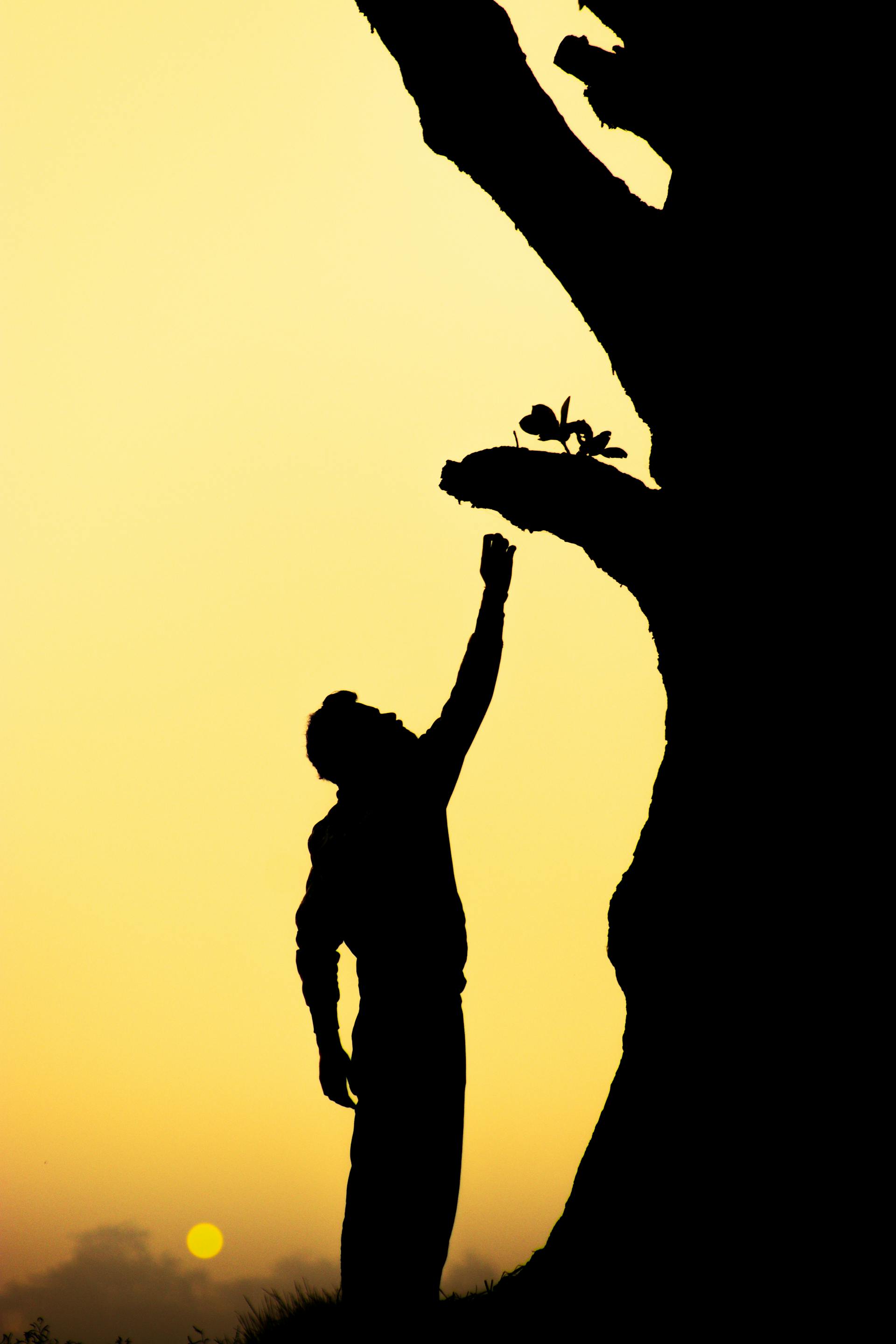
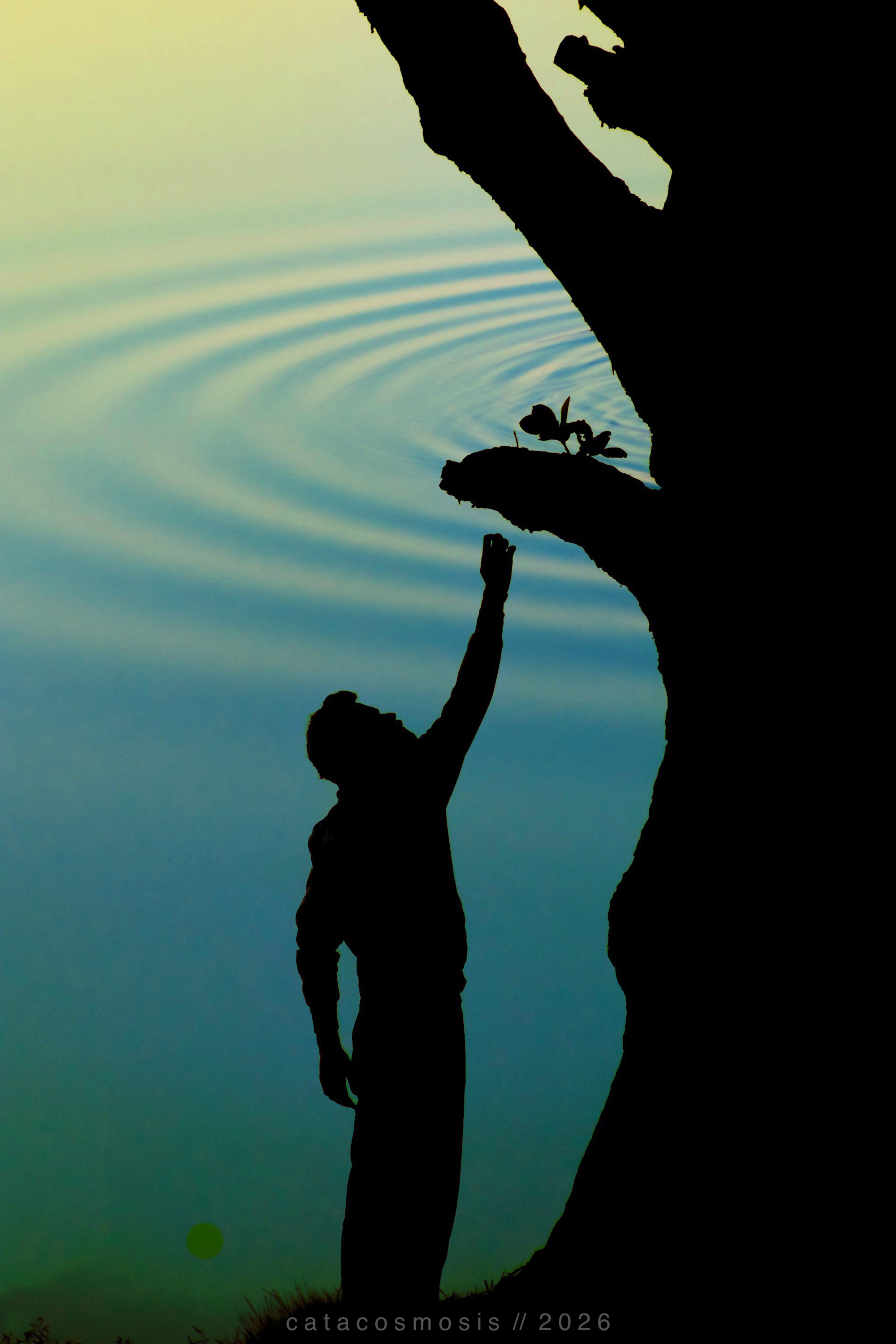
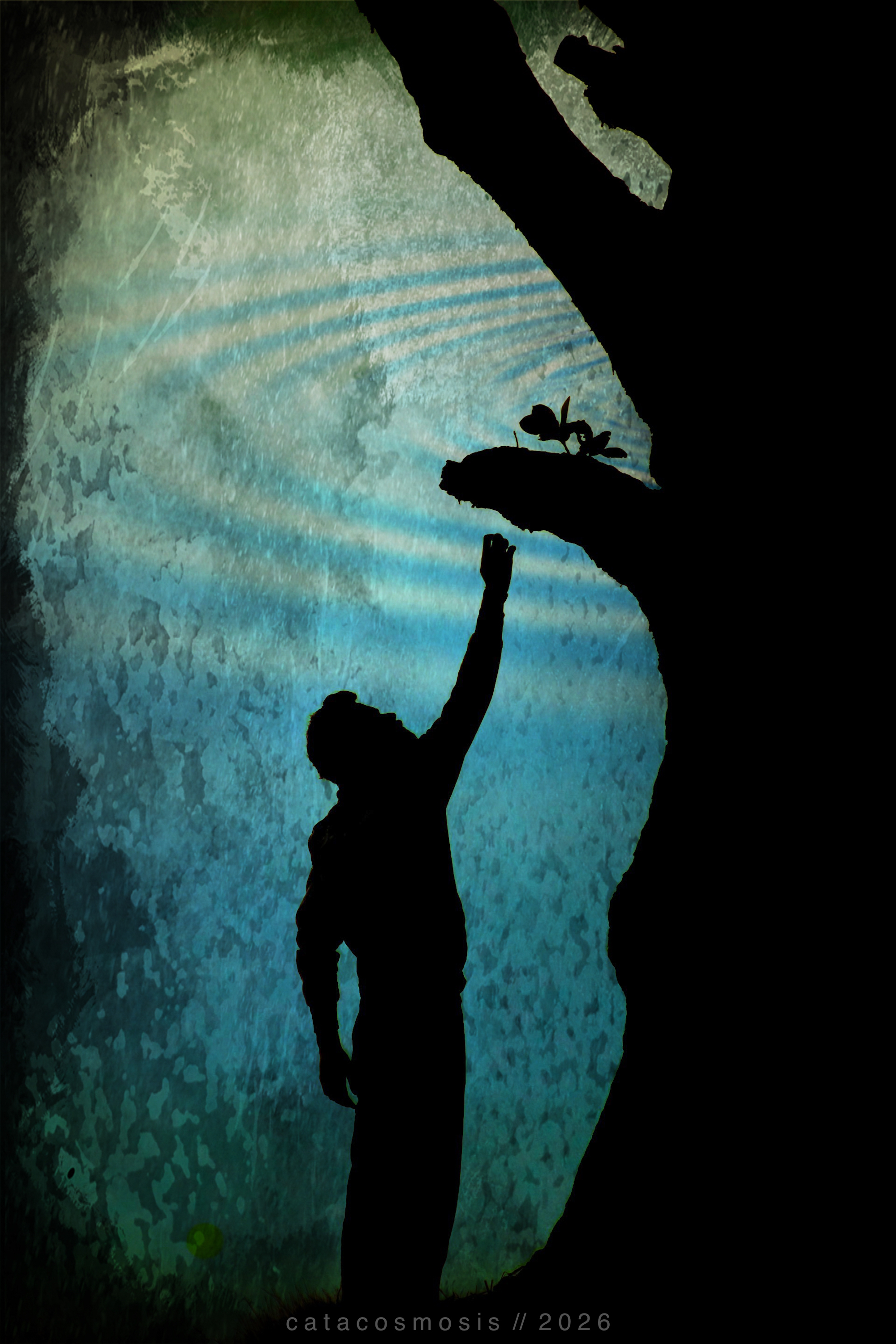
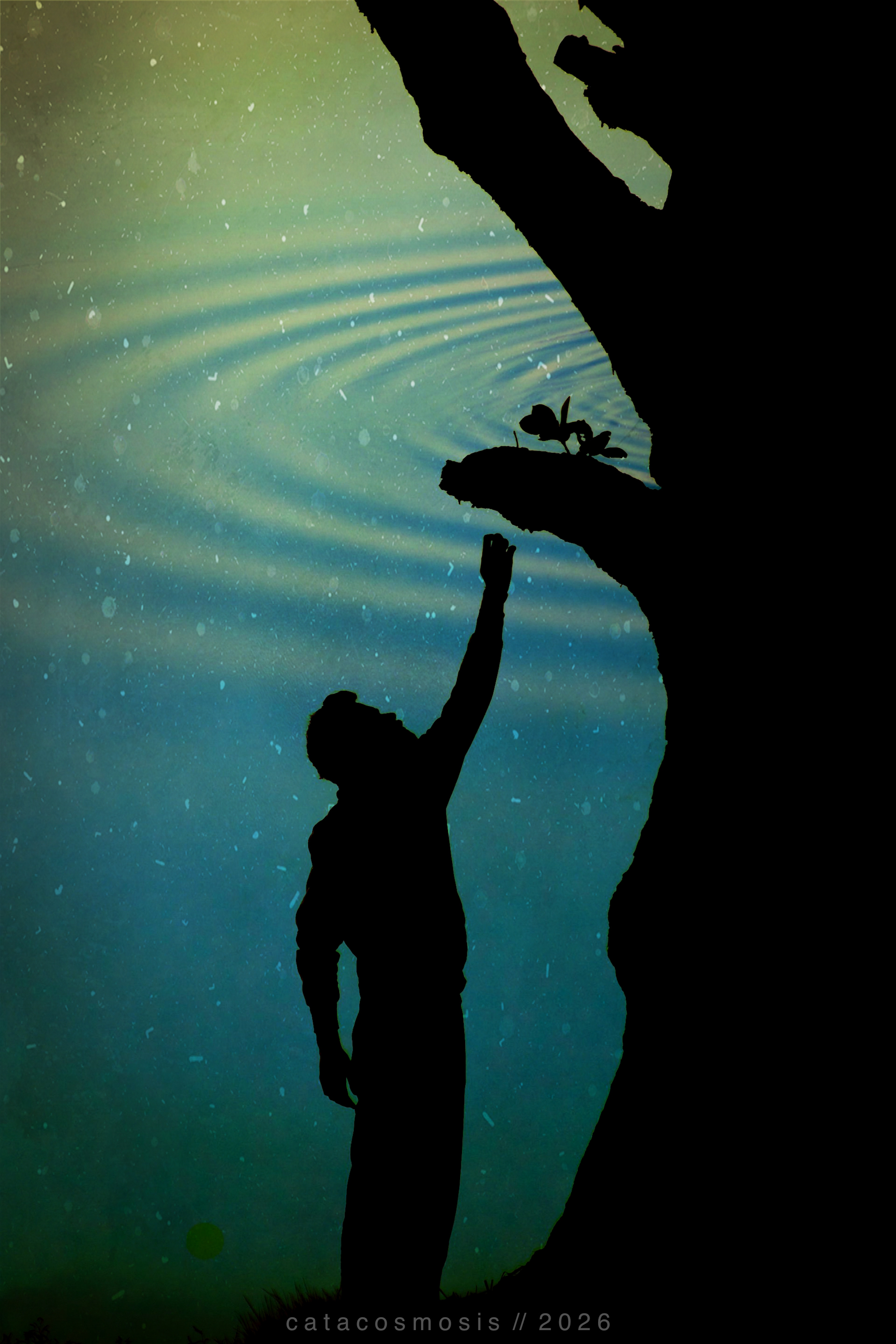
    “Reaching”


    Closing Thoughts

    Double exposure rewards experimentation more than it rewards perfection. You will not always know what you are going to get, and that is part of what I love about it. Two things that exist separately become one thing that did not exist before.

    There is something philosophical, and almost theological, and even spiritual in that, if you let yourself see it.

    If you want to try it, start with Union on your phone and two photos you already love. See what they say to each other. That is usually where it begins.

  • Holy Thursday, From a Bed of Blankets

    Holy Thursday, From a Bed of Blankets

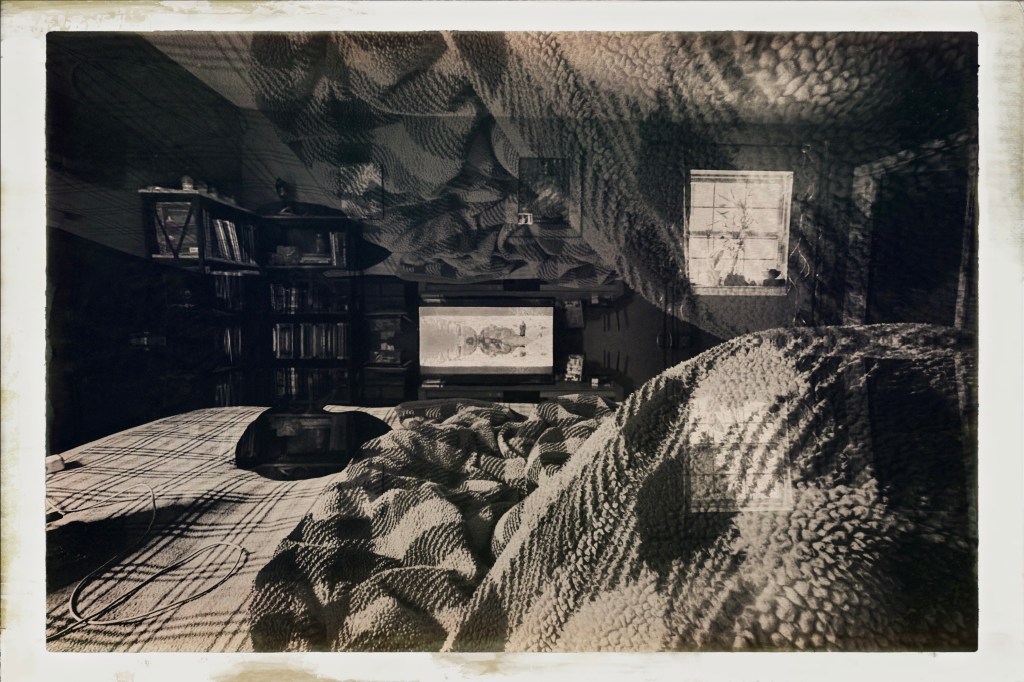
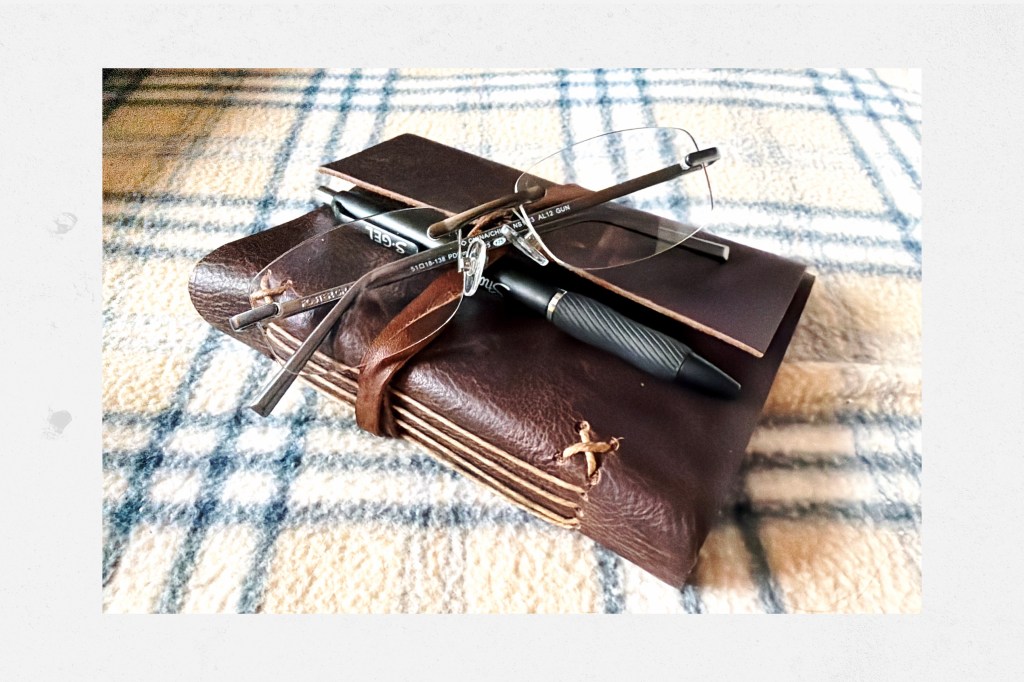
    This is my current view.

    📷 iPhone 17 Pro
    ⚒️ Hipstamatic (Salvador 84 Lens + Uchitel Film)

    Weeks into a health situation that has me on partial bed rest, still waiting on tests and surgical clearance, I find myself in this familiar nest of blankets and dim light, bookshelf full of words I love just across the room, window letting in what little of the world it can. It’s not where I planned to spend Holy Week. But maybe it’s exactly where I needed to be.

    I’m watching The Passion of the Christ on this Holy Thursday, and something keeps settling over me, quiet and heavy and good, like those blankets: the reminder that my suffering, whatever form it has taken or will take, is not the end of the story, and that the One who authored the real end of the story already walked through something so far beyond anything I have faced or will face that it puts every hard season into a different kind of perspective.

    I don’t say this from a dismissive perspective, or even the one that says “just be grateful, it could be worse.” More like… a grounding. A place to stand when the ground feels uncertain.

    But he was wounded for our transgressions, he was bruised for our iniquities: the chastisement of our peace was upon him; and with his stripes we are healed. (Isaiah 53:5)

    There was a time in my life when I would have resisted that. As recently as a decade ago, my heart was genuinely closed to it. Rebellious, angry, arrogant in the way that people sometimes are when they’ve been hurt and they’re protecting themselves from anything that asks them to be small or surrendered.

    For two decades, from my late teens to my late thirties, I called myself spiritual. I deeply believed I was, with all my study and practice in various spiritual pursuits. I thought I was strong in that resistance. I thought I was wise, and had a comprehensive understanding of what a spiritual life was.

    For I reckon that the sufferings of this present time are not worthy to be compared with the glory which shall be revealed in us. (Romans 8:18)

    Life, caregiving and loss of almost all of my family and friends, many animals I loved dearly, from dogs and cats to horses and one amazing soul in a Cockatoo body, and years of watching what pride actually costs, have shown me how mistaken I was.

    I didn’t learn with shame, but with honesty. The unnecessary struggle I created in that closed-off place was real. I don’t go back there anymore. I couldn’t have survived this last decade of so much struggle and stress I didn’t create but couldn’t avoid, if I had…

    What moves me most on days like today, watching a mere artistic depiction (gruesome as even that is) of what He endured, is that it wasn’t abstract or metaphorical. It was not just physical pain, but humiliation and agony and the full weight of human cruelty, walked through willingly, for people who largely didn’t understand or care at the time. That kind of love is not easy to sit with. It asks something of you. It asked something of me.

    Looking unto Jesus the author and finisher of our faith; who for the joy that was set before him endured the cross, despising the shame, and is set down at the right hand of the throne of God. (Hebrews 12:2)

    I’m not here to tell anyone what to believe. But I do pray, genuinely, that any heart that’s still in that closed and armored place might find even a small opening, just enough to consider it. To consider what He suffered, and that He suffered what is, for most of us, truly unimaginable, and He did it so that even when we suffer and struggle on this side of life, we don’t have to carry it alone, and we don’t have to fear what comes next.

    After this, Jesus knowing that all things were now accomplished, that the scripture might be fulfilled, saith, “I thirst.” Now there was set a vessel full of vinegar, and they filled a sponge with vinegar, and put it upon hyssop, and put it to his mouth.

    When Jesus therefore had received the vinegar, he said, “Tetelestai (It is finished),” and he bowed his head, and gave up the ghost. (John 19:28-30)

    That’s a lot of grace for a Thursday in April from a pile of blankets… but here we are and I, for one, remain humbled.

    God bless everyone who finds their way to this post today. I genuinely hope you find some peace in it.

    xo,

    c.

  • Aware.

    Aware.

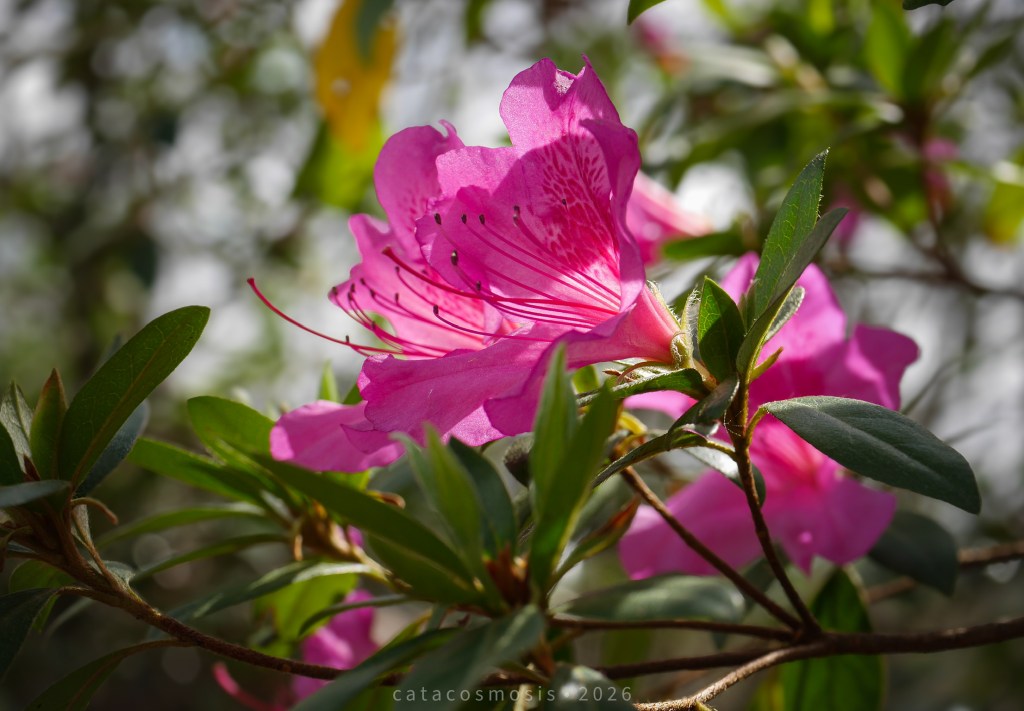
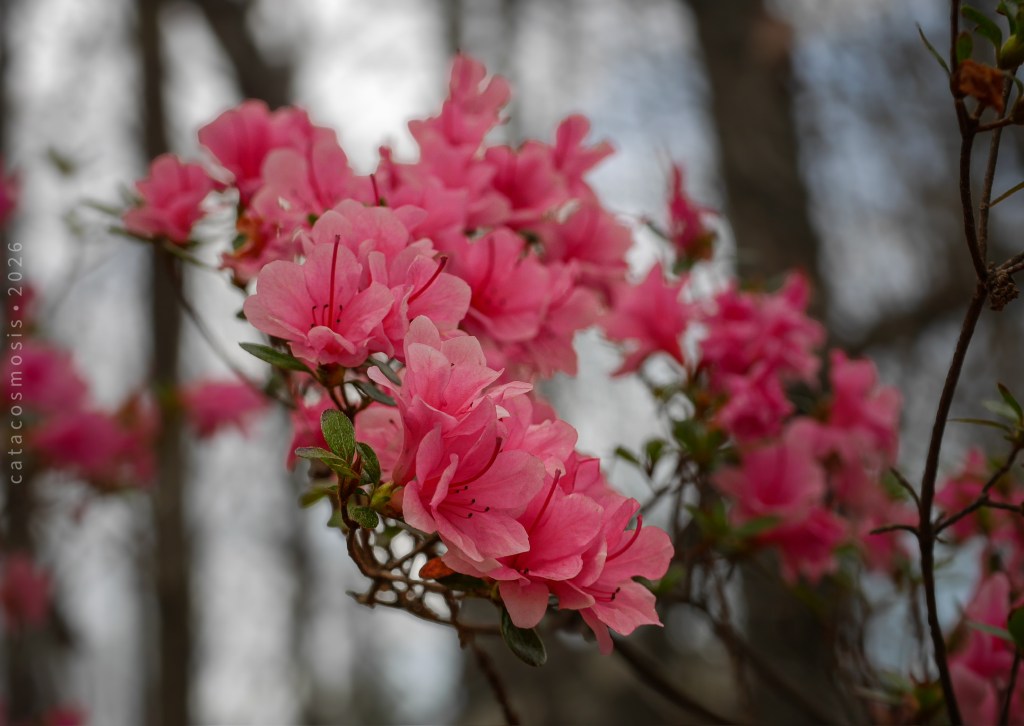
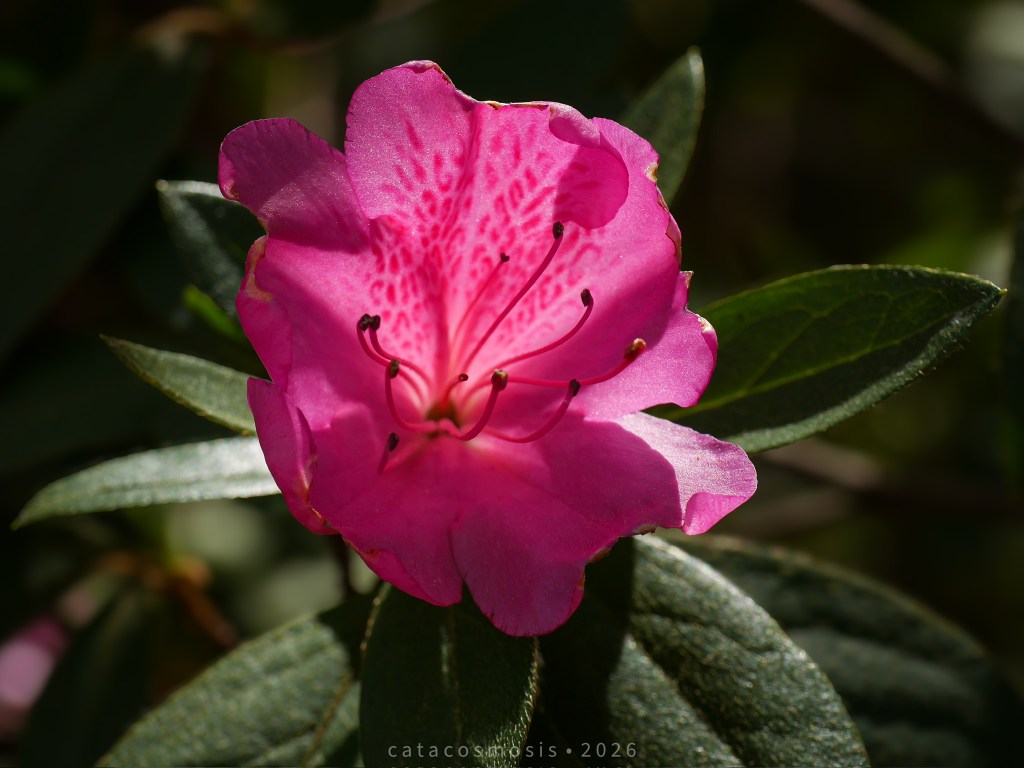
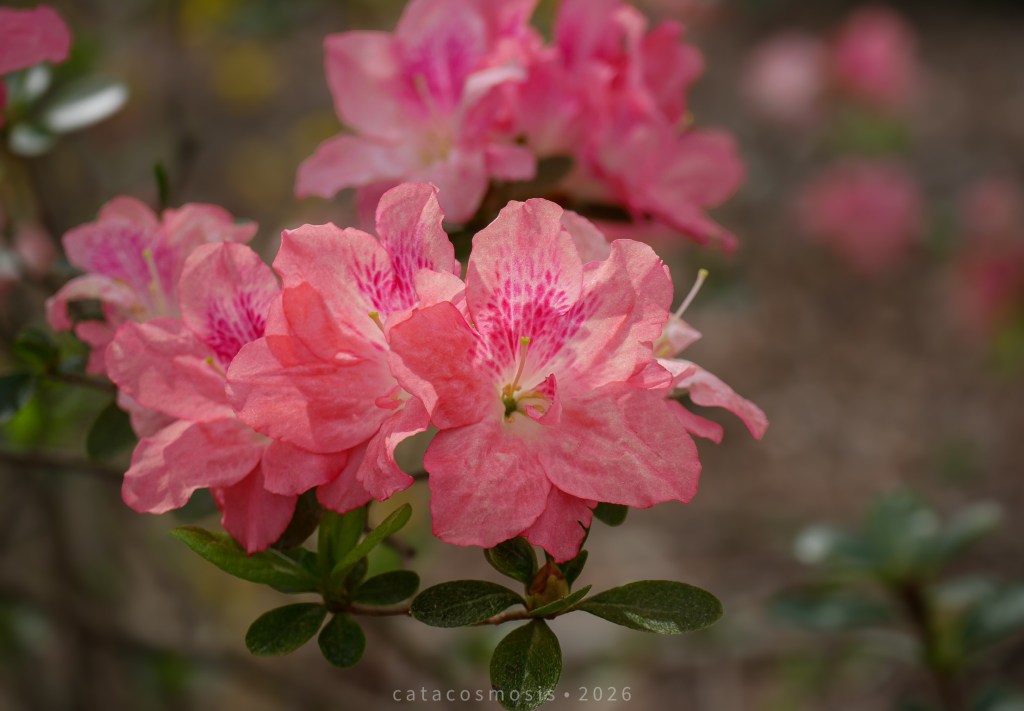
    Tucked into the quiet corners of my yard and spilling along the back fence — where wild grass gives way to the shadowed woods and, beyond them, the familiar silhouette of my mountain — the azaleas have erupted this spring in an almost audible riot of pink, purple, and white.

    Two bushes a deeper rose at the edges, softening to a pink like the first blush of dawn on cotton-candy clouds; the purple one as deep as twilight shadows pooling in the underbrush, veined with richer amethyst; the handful of white ones pure and luminous, like scattered moonlight caught on petals. On several of them, the blooms crowd the branches so thickly that the dark green leaves vanish beneath waves of color, the bushes a generous bouquet bowed gently under its own abundance.

    📷 Lumix GX7 + Panasonic-Leica DG Macro=Elmarit
    ⚒️ VSCO + Lightroom Mobile

    I stand at the fence line with my camera, breathing in the faint, sweet honey of their fragrance carried on the breeze, and it pulls me straight back to childhood. Growing up in the valley just across from my current, adult home, right at the base of that mountain, I’d watch for the wild azaleas and mountain laurel to appear along the wood’s edge, tiny beacons at the pasture’s far side. Each warming degree and every minute longer the day became — yes, I counted the minutes — felt like permission: one more day to explore before the snakes woke fully from their winter sleep.

    With each passing day I’d step more carefully, heart racing with equal parts thrill and caution — head on a swivel, eyes scanning for copperheads or rattlers coiled just out of sight. The early days of spring were my favorite. They were the most relaxed. But the flowers made even the hot summer days worth the risk, with the promise of wild bursts of color rivaling my grandmother’s carefully tended, cultivated bushes next door, proof that beauty could thrive untamed.

    📷 Lumix GX7 + Panasonic-Leica DG Macro=Elmarit
    ⚒️ VSCO + Lightroom Mobile

    Funny the things we fear and the things we don’t. Bobcats and mountain lions hunted those slopes, yet I never once worried about them — until the story my father told years later. At three years old, toddling the forty yard path to Grandmother’s a couple of hours after nightfall, my father watching and guarding intently — something I’d, we’d, done dozens of times before without consequence — a mountain lion perched on the cellar roof five feet above me, eyes fixed, body still. Daddy watched it watch me, praying silently, knowing any sudden move or cry might trigger instinct. It never pounced. I reached the house safe, unaware. When I was safely inside my grandmother’s screened-in back porch, he scared it off with a shotgun blast into the air, and we never saw one that close again.

    I’ve thought about that story more often since losing him. He’s been gone eleven years now, and there are many things I never thought to ask, or wish I hadn’t been afraid to ask, while I still could… but this one he told me himself, more than once. I think it meant something to him that I should know it.

    What I understand now, standing on this side of parenthood, is the cost of that stillness. The discipline of it. To watch a predator watch your child and not move, not cry out, not run — to trust that motion or sound might break whatever fragile restraint was holding that animal in place, and be so steady and rooted in your faith that you pray. Just… confidently pray. Whatever else he did or didn’t get right in his life, in that moment my father was made entirely of love and terror and faith, and none of it showed on the outside. That kind of stillness cost him everything. It was paid for in utter surrender, and he surrendered to fate, and to faith, beautifully.

    📷 iPhone 17 Pro
    ⚒️ Hipstamatic X (Salvador 64 Lens + Uchitel 20 Film + Spiro Pop Flash

    I think about that when I think about my own son. Sixteen, navigating a world that doesn’t always make room for the way his mind works, walking through invisible dangers I can’t always name or intercept. And I understand something about the helplessness of parenthood now that I couldn’t have grasped as that oblivious three-year-old toddling through grace.

    You can’t always throw yourself between your child and what’s coming. Sometimes the most faithful thing is to stand still, breathe, and trust the hand that’s bigger than yours.

    📷 Lumix GX7 + Panasonic-Leica DG Macro=Elmarit
    ⚒️ VSCO + Lightroom Mobile

    These azaleas have had quieter seasons. A few years back they were sparse, almost reluctant, with a handful of blooms where there should have been abundance. I watched them without much comment, the way you watch things when your own life has gone quiet in ways that don’t invite easy conversation.

    Loss has a way of muting everything: the yard, the mornings, the impulse to pick up a camera at all. Grief and illness and the particular exhaustion that comes from giving what you have left to people you love… all of it settles like a kind of winter that has nothing to do with temperature. I’ve had a few of those winters. Longer than I’d like to admit.

    So this spring, when every single bush along the fence erupted like they were making up for lost time, I stood there and felt something catch in my chest. That’s part of why I photograph at all — not just to capture beauty, but to bear witness to it. To say, with the deliberate act of framing a shot, I see this. This is real. This happened. The camera makes me slow down enough to actually look, and looking is a form of gratitude I can access even when words fail me.

    📷 Lumix GX7 + Panasonic-Leica DG Macro=Elmarit
    ⚒️ VSCO + Lightroom Mobile

    As a child, maybe I sensed some invisible shield, or maybe I was just young enough to believe in magic. As an adult, looking at these cultivated echoes of those wild blooms now thriving in my own yard, I know the truth: protection was there all along. Not arrogance, but grace.

    God’s hand has turned aside far greater dangers than I ever knew were there. The mountain lion I never saw, the losses I somehow survived, the moments where the math shouldn’t have worked out in my favor and it did anyway. These azaleas, blooming so fully this year after quieter seasons, feel like a quiet reminder of that mercy, a gift unfolding right where the tame meets the wild, the past meets the present, under the watchful gaze of my mountain.

    I don’t take that lightly. I don’t take it for granted. I take photographs of it, and I tell the stories that go with them, because that’s how I know to say thank you.

    Mere backyard glory doesn’t begin to cover it. It’s memory, wonder, and gratitude all tangled in petals.

  • Entropy

    Entropy

    entry seventeen — scattered light, fractured grace: a quiet archive of light, loss, and what remains.
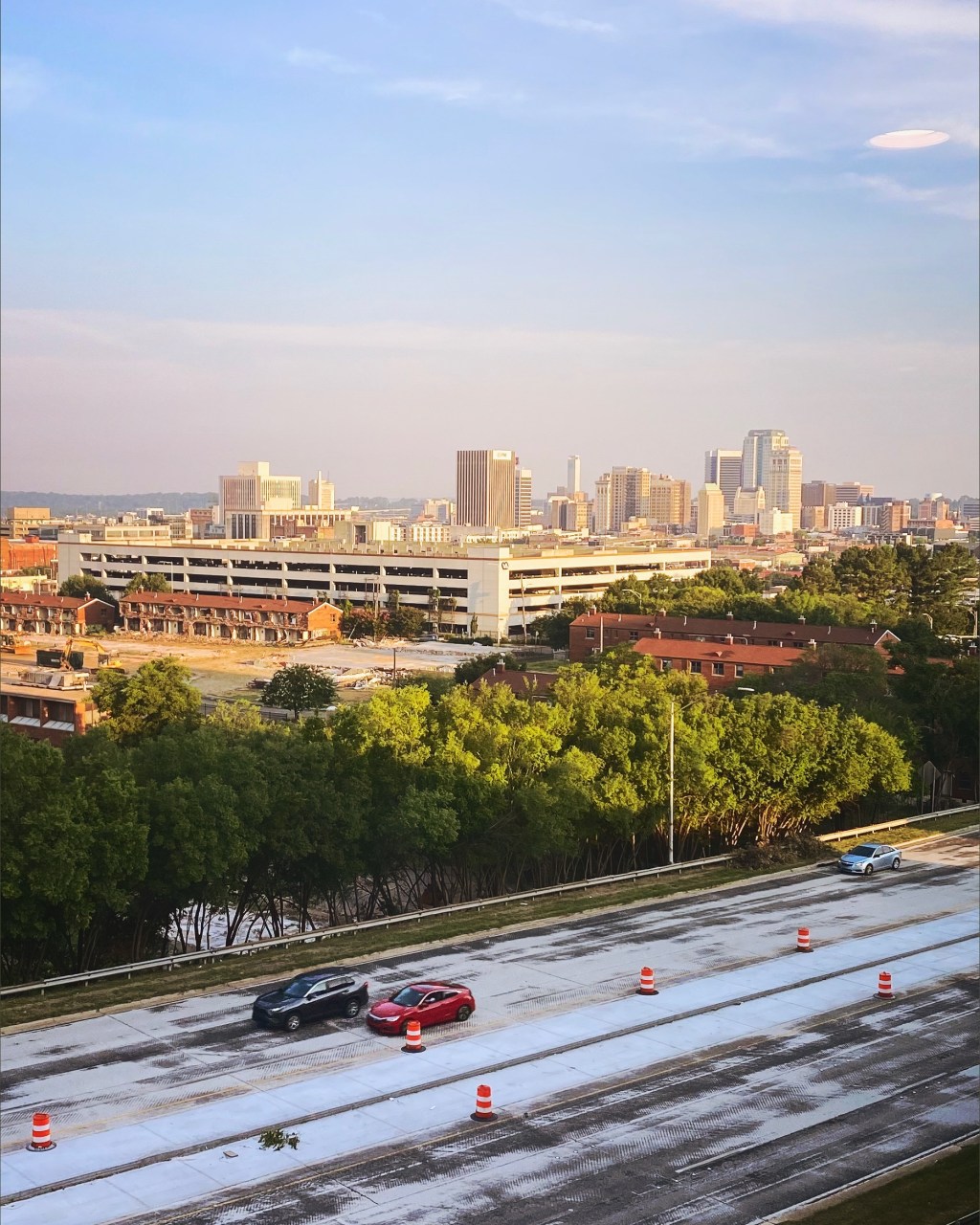
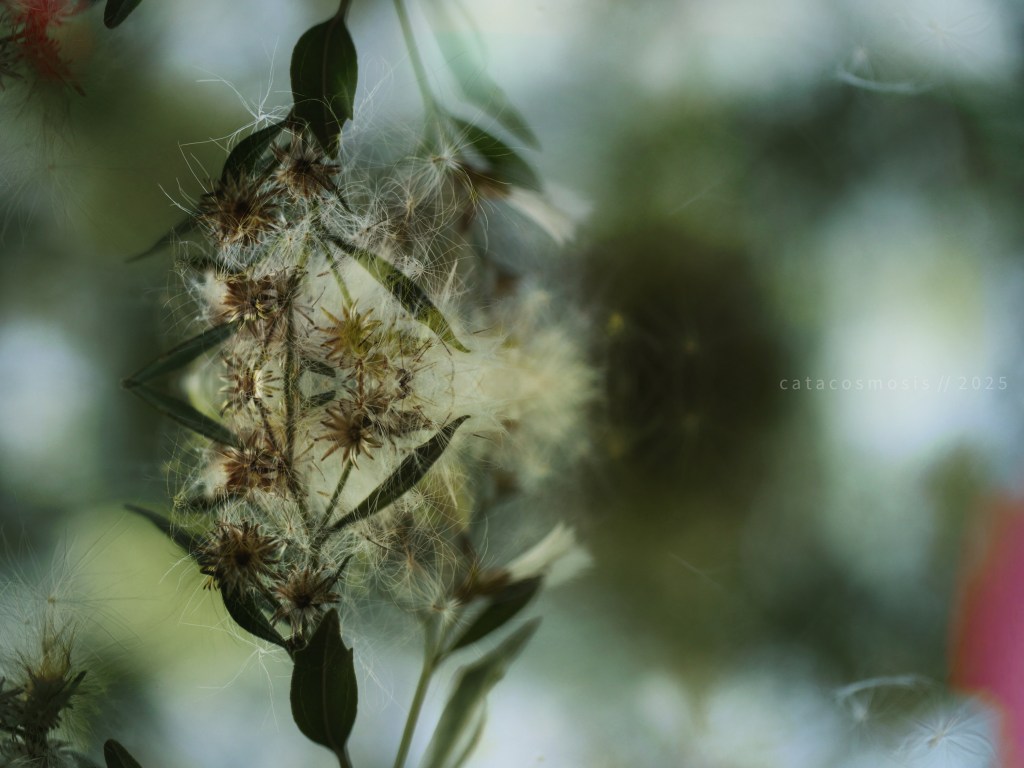
    Lumix GX8 + Leica DG Macro‑Elmarit +
    Hipstamatic (Salvador 84 + Miles TMax)

    Twenty twenty-five bleeds into me like a half-lit nightmare,

    Stephen King and Tim Burton laughing in the corners.
    AI hums in the air, a static pulse I cannot unhear.

    I want to scream and break the sky…

    …but the real and the familiar fragments of me rein temperance in, in quiet revolt.

    Twenty twenty-six waits like a shadowed carnival, and I am here,

    trembling with light in a society fractured by entropy…

    …still standing.


    When I started exploring textures and analog styles using mobile camera and editing apps like Mextures and DistressedFX a decade ago and Hipstamatic closer to two decades ago, I remember the beef among photographers about how it was cheating.

    Even when shooting DSLR or scanning 35mm negatives and importing to iPhone to manually edit creations, on deviantART it was utter blasphemy to call that work photography… which is the majority of the reason I left that site (alongside the unnecessary drama, petty competition and childishness of it all).

    I remember the same attitudes when the DSLR was introduced as a more convenient option for shooting (as compared to film) back in the nineties, and even more strongly opposed by what I like to call the “haughty and holier than thou professional” photographers (many of whom had never been published, mind you).

    It was all just a whole lot of projection… yet here we are in 2025’s much broader version of those things, getting ready to wake up to a 2026 that looks like a Stephen King and Tim Burton co-conspired reality, and I now find myself itching to raise the same ruckus about AI. I fight the daily urge to scream at the top of my lungs that I hate AI, and that it will absolutely be the death of raw human creativity, not a help or a tool for it.

    Mark my words, and I say this not just from the creative part of myself but from the psychology and computer science educated and experienced parts, from the professor in me, and from the emotionally and spiritually evolved pieces of myself, from my entire being and from the depths of my soul:

    AI is a mistake of biblical proportions, and not just for creatives.

    I have watched what it does to attention, to imagination, to the inner world, to the very scaffolding of how a human becomes themselves. I have already watched it practically eat my child alive, and I banned it from our sphere entirely. I will die on this hill if necessary.

    AI may not be evil incarnate, though I have my suspicions that it is, but it will certainly cause more evil than we can stand or cope with to manifest in this already imploding world.

    The ASMR, the funny animal and parody videos, and the art may be cute today, but tomorrow it will look like proverbial mushroom clouds around the globe.

    With AI more prominently in the mix, the end of true freedom is nearer than you might think… and it is all by design.

    💣😘

    xo

  • Mother and Child in Crystal | HipstaCat #1

    Mother and Child in Crystal | HipstaCat #1

    HipstaCat stands for Hipstamatic + Catacosmosis. I’ve decided to make myself play with Hipsta again. Per usual, I’ve lost my creative drive due to stress and caregiving anxiety (that’s on my brain’s inability not to worry and fear, not on anyone being a burden, to clarify) so thank heavens for tools like Hipsta and Mextures that allow me to create without doing so from scratch (if that makes sense). I got this, right? LOL

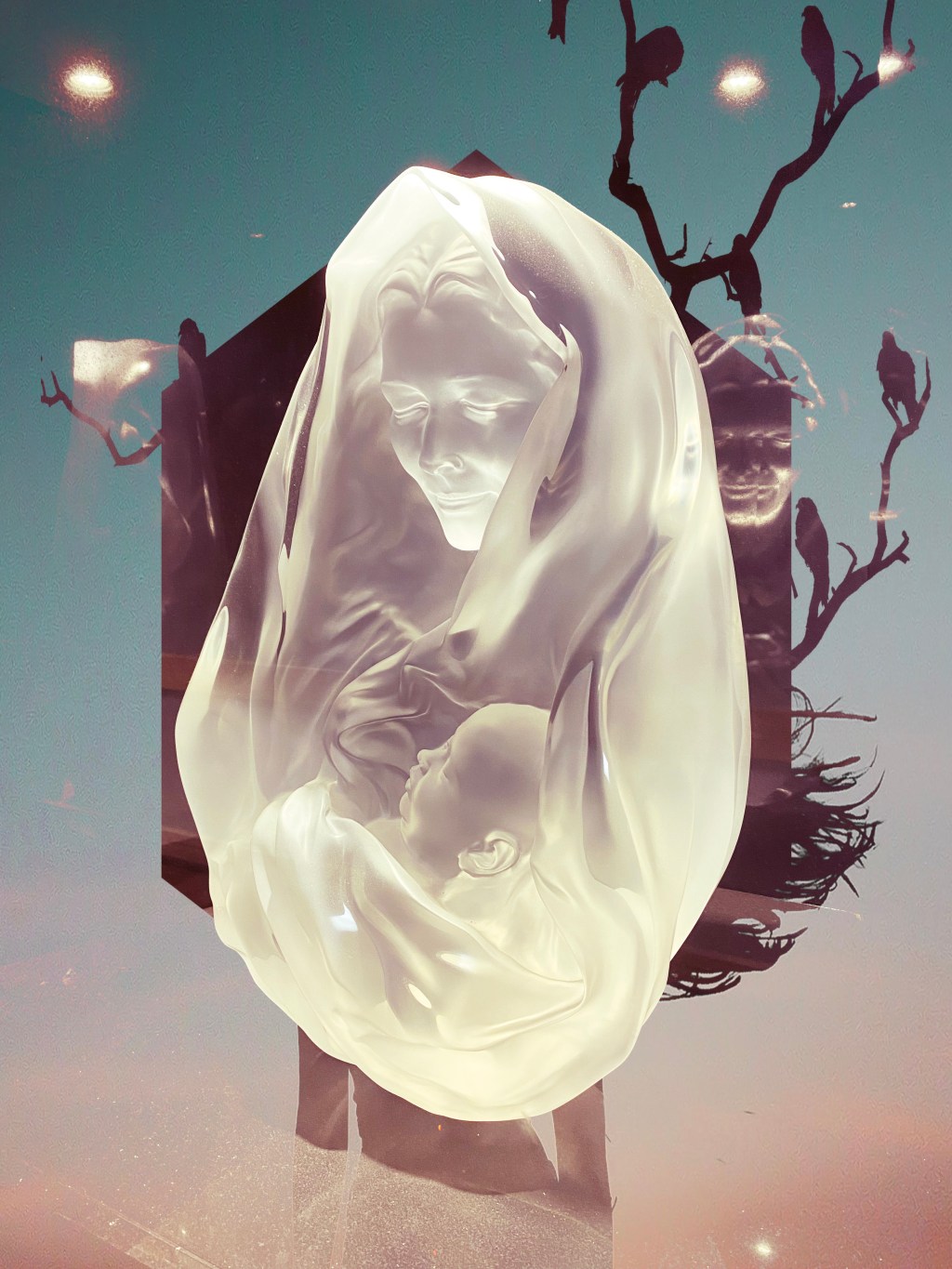
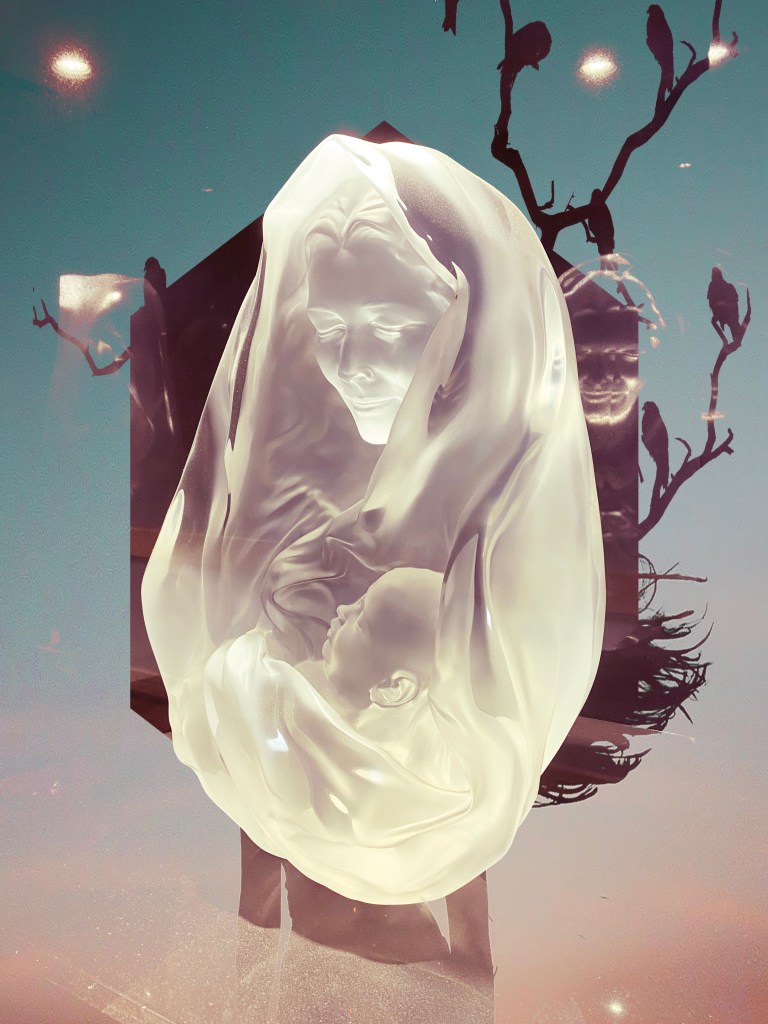
    Hipstamatic, Frederick + Combo2X

    This is a crystal statue in a hall at St. Vincent’s hospital. I dig it, so I hipsta’d it.

  • Don’t Jump. | HipstaCat #2

    Don’t Jump. | HipstaCat #2

    Hipstamatic, Neville Lens + Daydream Film

    Sometimes it feels like you just want to jump from a great height and be gone. But why?

    We all make mistakes. We all do things, fail to do things, or find ourselves in situations we can’t control. For example, sometimes people lie about you and you lose someone you love because of it. But if that person cared about you and not just themselves? Instead of erasing you from their life and losing something that could have been good (erasing you except for holding a grudge/hating you) they’d choose differently.

    THEY don’t realize that they broke your heart AND their own. YOU don’t realize that the truth is, it was probably for the best. Rejection is spiritual protection, my friends. And nothing beats your spirit team…

  • Don’t crash. | HipstaCat #3

    Don’t crash. | HipstaCat #3

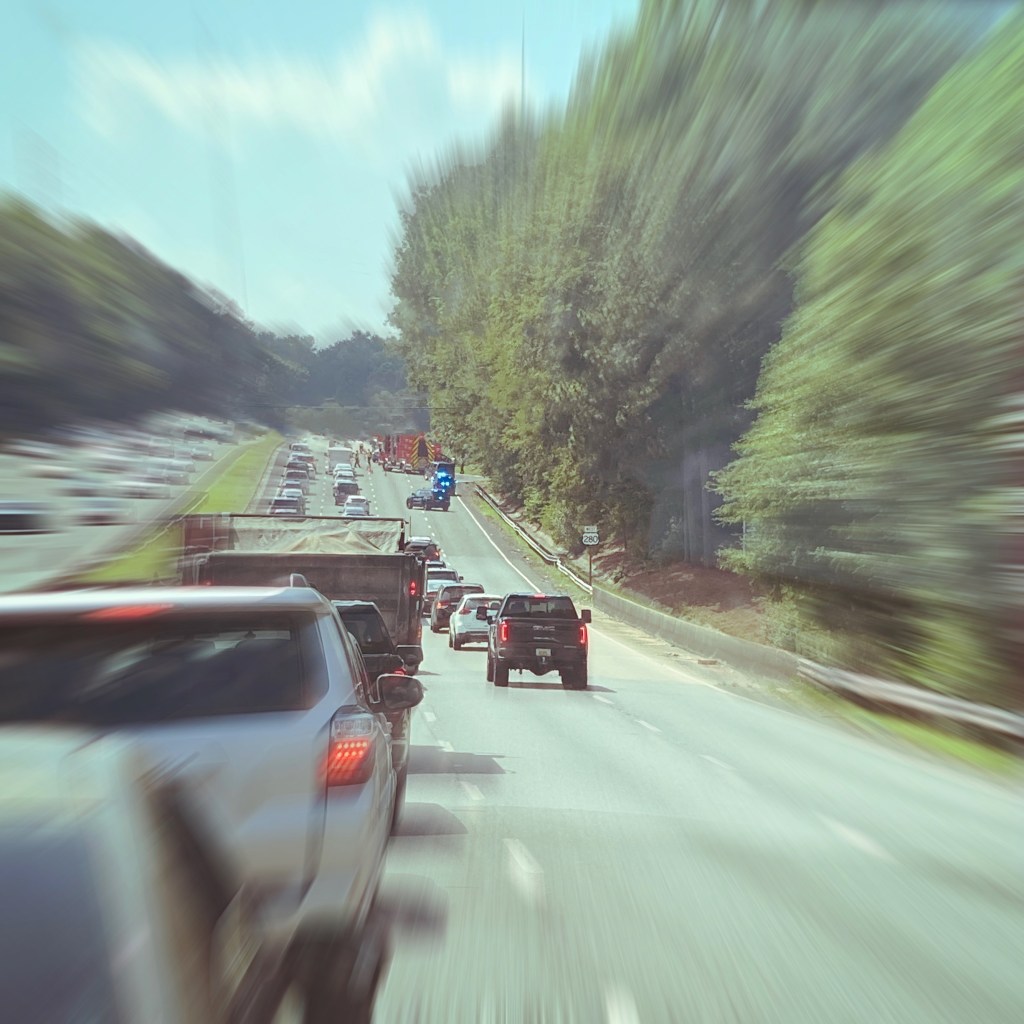
    Hipstamatic. Penny Lens + Liberty Film

    Pro tip: be careful when driving (I’m not driving or I wouldn’t have taken this photo – I’ve seen too much and learned my lesson).

    I hope everyone is ok.

    Don’t crash! Be safe out there in this crazy world.