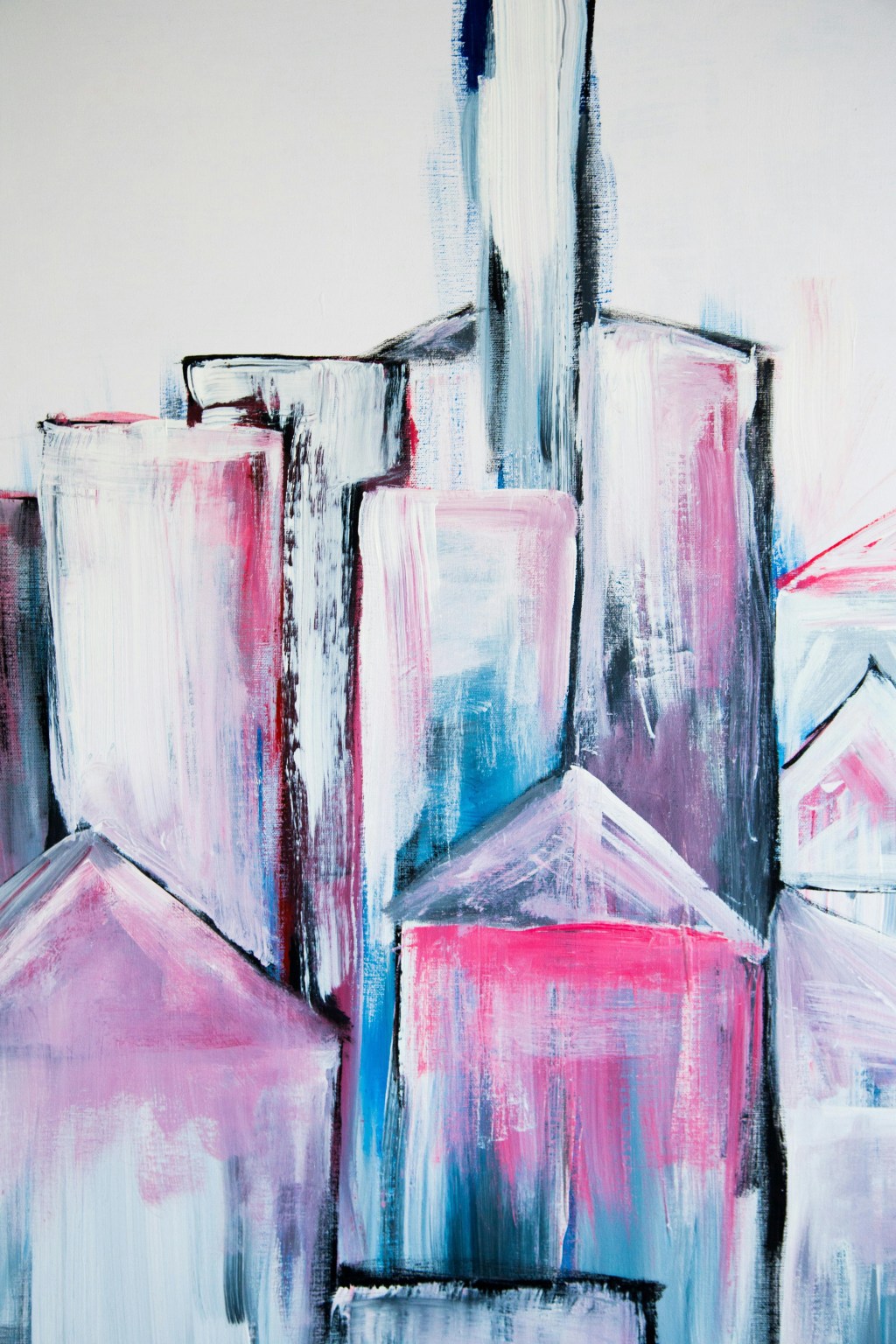
Tag: being different

  • The Freeze

    The Freeze

    Every so often, I experience what I call the freeze.

    Artists will know exactly what I mean. It is that moment right before you begin a new piece, canvas blank and supplies ready, when something inside you locks up. You want to move, but you don’t. You know what to do, but suddenly you can’t do it.

    It’s not laziness and it’s not a lack of ideas. It’s more like a quiet paralysis, the sense that whatever you do first will somehow be wrong, wasteful, or irreversible.

    I experienced that tonight, and it surprised me. I haven’t frozen like that in a long time.

    Maybe it is holiday stress. Maybe it is the cumulative weight of life, reality, and empathy for a world that feels perpetually on edge. Maybe it is something smaller, or something that would sound completely absurd to anyone watching from the outside. But absurd does not mean invalid.

    Any time we experience something like this, there is a reason… and I am the kind of person who looks for it. I look inward and outward, I sit with the discomfort instead of trying to bulldoze through it, and I pay attention to what is actually happening in my body and mind.

    I find that process purposeful, and sometimes even enjoyable, not because it’s comfortable but because it gives me agency. When I understand what is happening and why, anxiety loses its grip. I can experience it and coexist with it at the same time. More often than not, that approach resolves the issue in a deeper and longer-lasting way than simply forcing myself forward.

    So this is the internal conversation I had tonight, and how I talked myself through it once I reached a clearer understanding of what was really going on. This is where my professional training in psychology meets my self-taught training in art, I suppose.

    If you have similar experiences to what I’ve described above, I hope some part of this is useful to you.
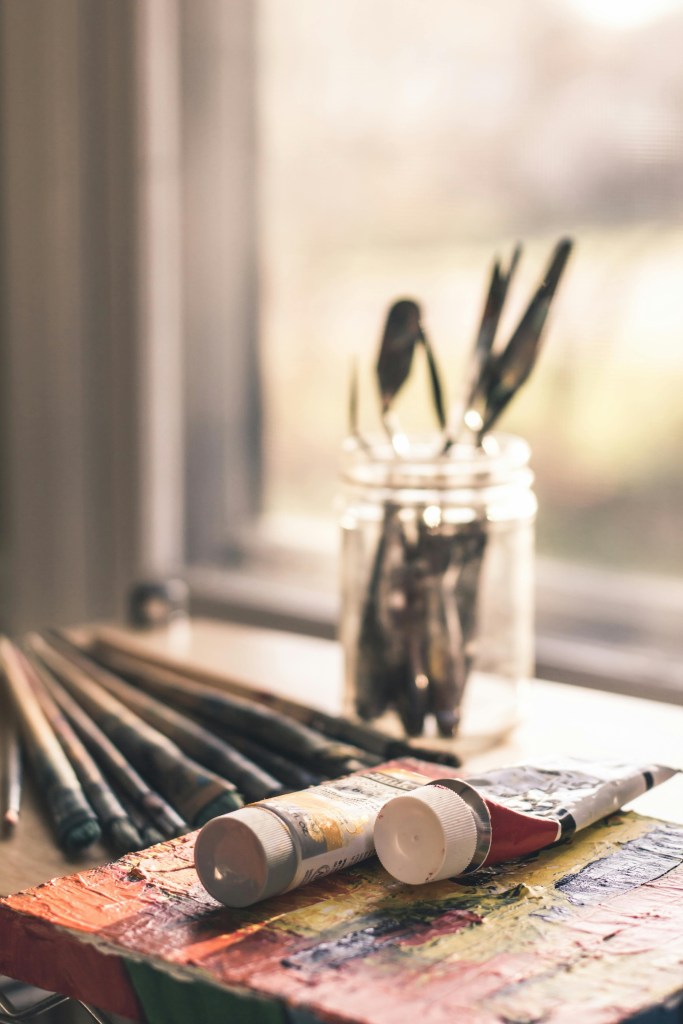

    Step 1. Pause for a moment. Not to analyze or fix anything, just to name what is happening. Once something is named, it tends to lose a surprising amount of its power.

    What you’re feeling when you experience “the freeze” as soon as you pick up a brush or a palette knife, or face whatever in life it is that makes you freeze in a similar way, is not a personal flaw. For artists and creatives, it’s not proof that you are bad at being creative.

    It’s a very specific nervous-system response, and it shows up most often in people who actually care about what they are making. In psychology, this response is often described in a few overlapping ways.

    It can be understood as a conditioned approach and avoidance conflict within you, where the part of you that wants to create is simultaneously held back by fear of loss or failure.

    Funny story: I wrote an entire 23-page research paper on this in my junior year of undergrad. In my opinion, it was incredibly boring, personally insulting, and the worst three months of my life at the age of 21, but somehow I shockingly got an A.

    I digress.

    It can also appear as performance anxiety, though not in the social sense, more as an internal pressure to do it right. For me, it is absolutely perfectionism as a defensive strategy, a way of protecting myself from imagined mistakes or wasted effort (thanks, Mom, may you rest in peace). In many cases, it can even be the brain or your physiology responding to dorsal vagal activation, which includes fight, flight, freeze, or fawn, but we will not go that deep here.

    To put it in easy, normal language, this reaction almost always appears right before commitment. Any commitment, but especially one that means “if it goes wrong it’ll really cost me.”

    In the art scenario, up until this point, the work has existed only in imagination. In that space it is infinite, perfect, and safe. The moment you are about to touch the canvas, it becomes finite and real. Something is chosen. Other possibilities fall away. Your (my) system hears that as loss, and it tries to protect you by freezing you in place.

    That feeling that it has to be a certain way to be right is not creativity. It is internalized surveillance. Somewhere early on, many of us learned that mistakes mean waste, mess means failure, and a wrong choice causes permanent damage. Even when those rules no longer apply, the body remembers them. So when you are free, your body does not quite believe it.

    That is not weakness, or incompetence. It is conditioning that has simply outlived its usefulness.

    At the center of this response is a quiet lie: “If this turns out bad, the supplies are ruined.”

    That is just not true. Acrylic can be scraped, painted over, sanded, cut up, or turned into texture. A canvas can become a foundation rather than a final statement. Materials are meant to be used. That is their purpose. Paint that sits untouched out of fear is already wasted.

    Canvas is not sacred. You are. Please remind yourself of that immediately, and lock it in.

    Another lie slips in just as easily: “It has to be a certain way to be right.”

    Right for whom? There is no audience in the room, no rubric, no grade. There is only motion, pressure, color, and the physical relief of making contact with the surface. Art does not exist to behave! Remember?

    This kind of freeze does not happen to people who do not care. People who are shallow about creativity do not spiral like this. It tends to happen to people with depth and sensitivity, to people who were corrected more often than they were encouraged, and to people who learned how to perform before they learned how to play.

    The nervous system is not sabotaging anything. It’s trying to protect something precious: the ability to feel and express. It’s simply using outdated rules.

    Step 2. A small reframe helps here. You are not making a painting right now. You are making the first layer of a surface. Nothing more. Not meaning, not outcome, not art with a capital A. Just noticing what happens when color moves downward. That layer is allowed to be ugly. It is allowed to be scraped away. It is allowed to disappear entirely under the next thing. You are allowed to stop at any time.

    There is one gentle but important rule I follow that can helps me quiet the pressure. Say out loud that nothing you do in the next fifteen minutes counts. Set a timer. When it ends, you can walk away with no obligation to continue, fix, or judge. This is not about pushing through fear. It is about making fear irrelevant.

    And finally, this matters. The experience, the art, and your simply being. But also, the fact that you sometimes freeze. It’s not invalid. You do not need to get over it already. That voice was built over years. It softens through safe repetition, not self-attack. Every time you begin anyway, tentatively and imperfectly, you rewrite it.

    You are not broken. You are unwinding.

    I hope this helps someone…

    xo.

    c.
  • Unhidden

    Unhidden

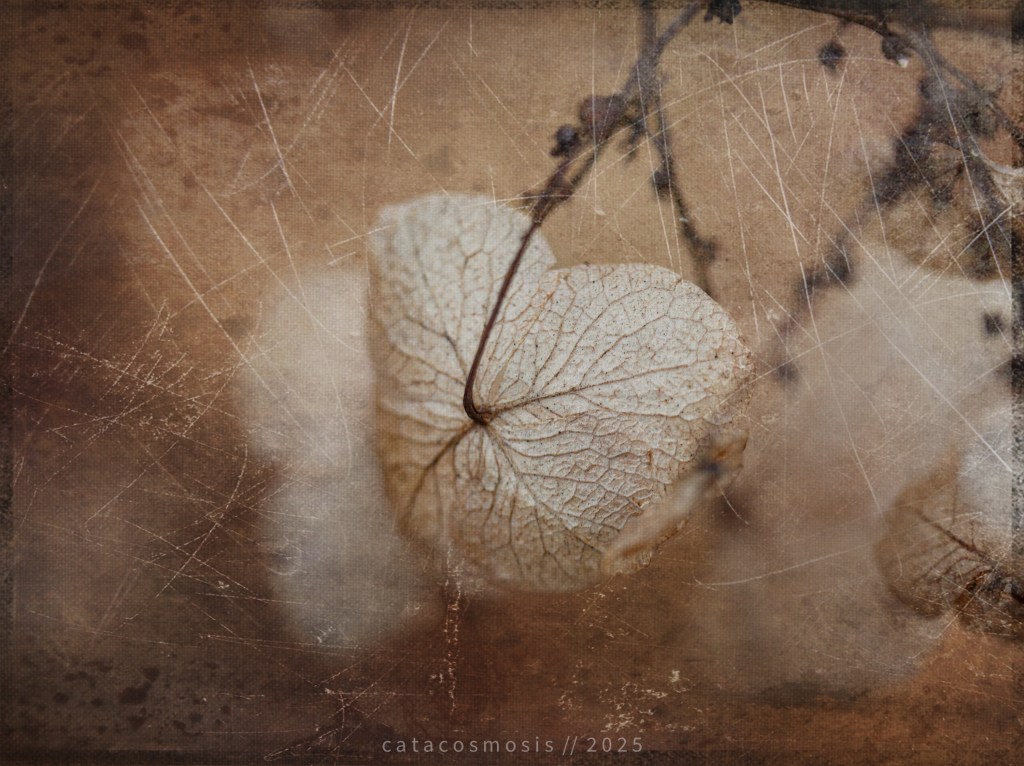
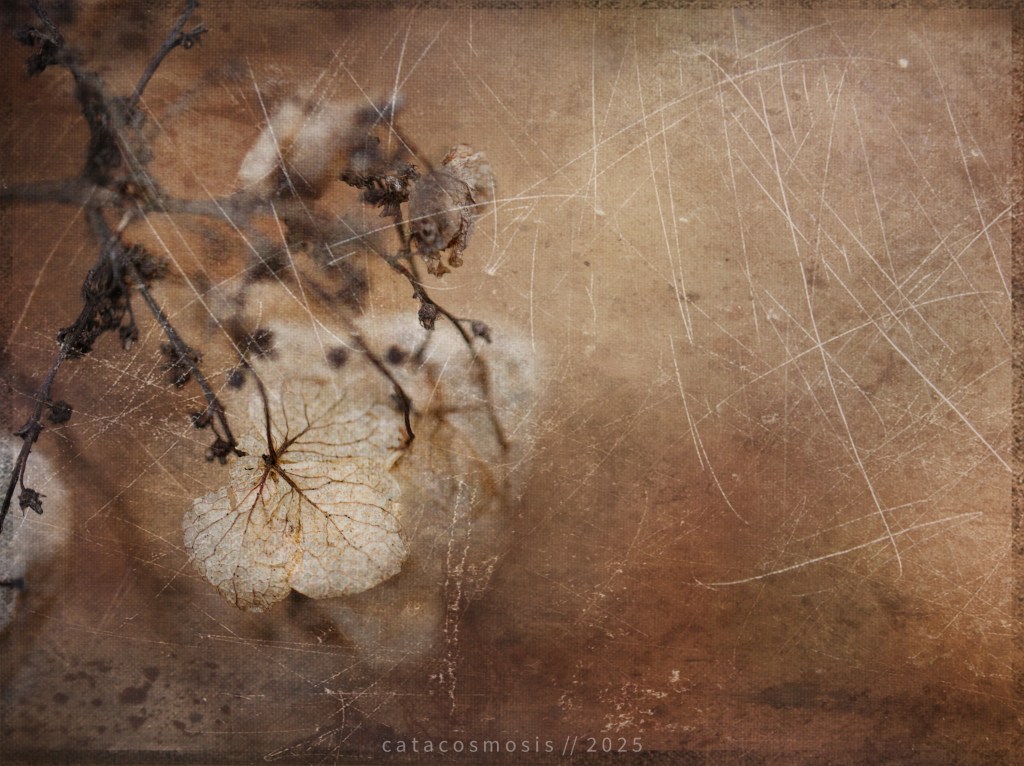
    entry nineteen — scattered light, fractured grace: a quiet archive of light, loss, and what remains.
    Lumix GX7 + DistressedFX + Mextures

    I’ve been thinking about how easily we overlook what does not bloom on command. How quickly we decide something is less valuable when its rhythms are quiet or unusual or slow to reveal themselves. How we are conditioned by convenience to turn away from what requires a different or more tender kind of attention, unless we are its mother.

    As mothers, the expectations begin to pile up, even as the help quietly disappears… if it ever shows up to begin with. It showed up for me recently, with my son’s diagnosis of autism, and then the weight shifted again. The label alone added a layer of juggling and balancing that feels impossible, even in ways that his father may never fully know…

    …but these small remnants of #lovelydeadcrap in my backyard have been teaching me how to package it all and express what’s inside.

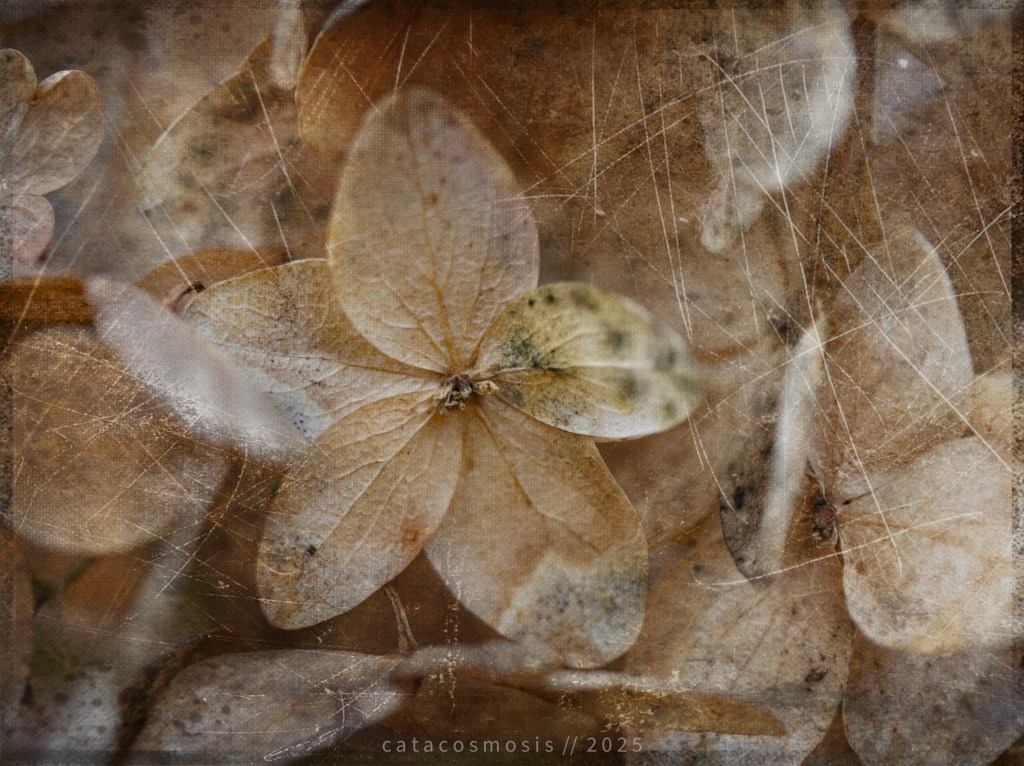
    Lumix GX7 + DistressedFX + Mextures

    In their faded textures and fragile lines, I find a gentler truth. Beauty is not always loud, nor peace immediate. Sometimes neither are easily interpreted. Sometimes they appear in the very things the world has already dismissed as unremarkable because they do not fit the desire or expectation.

    When my son was diagnosed with moderate to severe autism, the world tried to hand me a script of loss and limitation. But the more I sit with the reality of who he is and what I know he has experienced in his life, the more I understand that nothing essential has been diminished.

    Lumix GX7 + DistressedFX + Mextures

    Not unlike #lovelydeadcrap, the reality of his story simply asks to be read with a different kind of seeing. The light lands from another direction. The beauty moves at its own pace. That is what this winter season is teaching me:

    To honor what does not conform. To stay open to the quiet forms of life and value that do not perform for anyone’s comfort. To recognize that some truths require presence rather than projection.

    Lumix GX7 + DistressedFX + Mextures

    My son is not less. He is not broken. He is not something to mourn. He is fully himself, unfiltered and unhidden, and there is a sacred beauty in that.

    May we all learn to truly see what stands before us, not merely what we were taught to expect.

  • Where the Magic Took Root Again

    Where the Magic Took Root Again

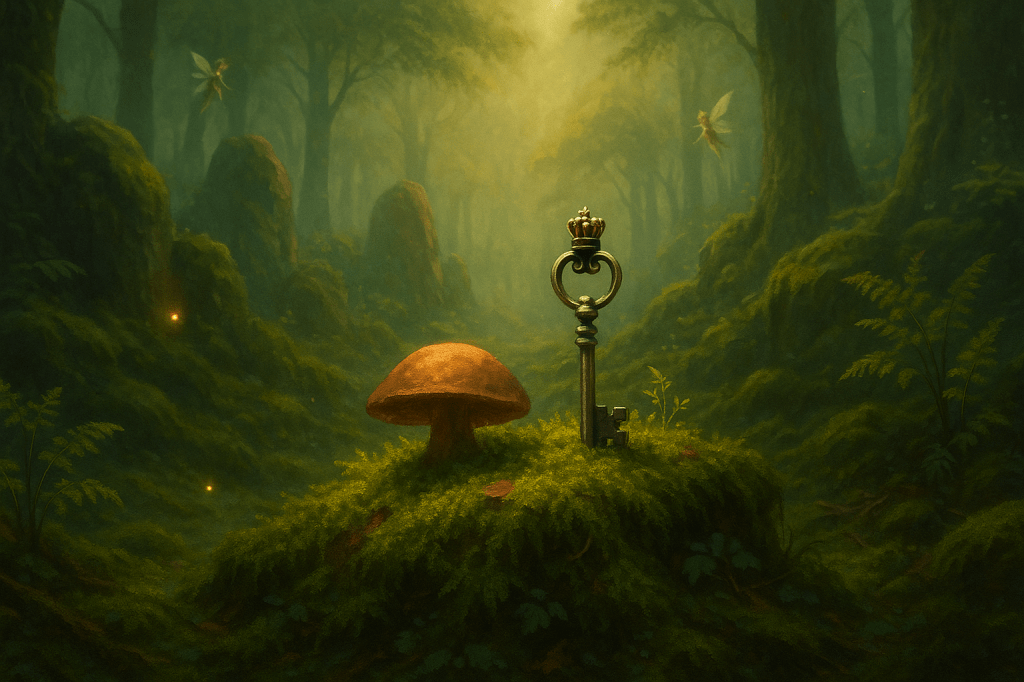
    It started with a crown. Many crowns, really.

    The first excerpt I read today (via the DeepStash app, which I highly recommend) was the first crown in my day.

    It’s worth remembering that it is often the small steps, not the giant leaps, that bring about the most lasting change. EIIR (Queen Elizabeth II)

    Then, Sir Citrico (my tiny citrus seedling) didn’t die.

    Let me back up—one morning, while making my lemon water, I dropped a seed onto the floor. On a whim, or maybe something more, I rinsed it off, wrapped it in a paper towel, and tucked it into a plastic bag. I heard my spirit say, “Put it on top of the cabinet, and wait for further instruction.”

    So I did.

    As I do 100% of the time in this phase of my life, I followed my Higher Self’s nudge without question. A couple of weeks later, when I heard, “Time to check,” I wasn’t even surprised to find it had sprouted—delicate white roots and a tiny green stem, alive and reaching. You would’ve thought I’d witnessed a full-blown miracle by the way I squeaked and rushed to find J, beaming like a proud citrus parent. And yet, beneath the flurry of 3D excitement, my soul just sat in quiet, humble gratitude, watching me feel real joy again for the first time since Master Roshi died.

    That was a while back, and at first, he did really well. I tucked him into a tiny clay pot with some Bacto and a pinch of cactus soil—whatever I had on hand. I added a little sand, too, worried about drainage. I put him on the bookcase in front of my bedroom window, and he grew a couple of inches and seemed content.

    But a week or so ago, he fell over.

    I thought maybe I’d let him get too dry. I watered him, hoping he’d rally, but he couldn’t seem to stand back up. His green began to dull and shift in a way that didn’t feel right. He looked pitiful. Still, I kept doing what I’d been doing. He was struggling—but he was still here—so, I waited.

    This morning as I gave him his Friday morning drink, I noticed he’d grown again. His green was vibrant, no longer sickly. So I listened—again—to my spirit (guided, I’m sure, by both Master Roshi and my Mama Kay) and reached up to the top of the bookcase to see what I might find for support, and what do you think my fingers landed on?

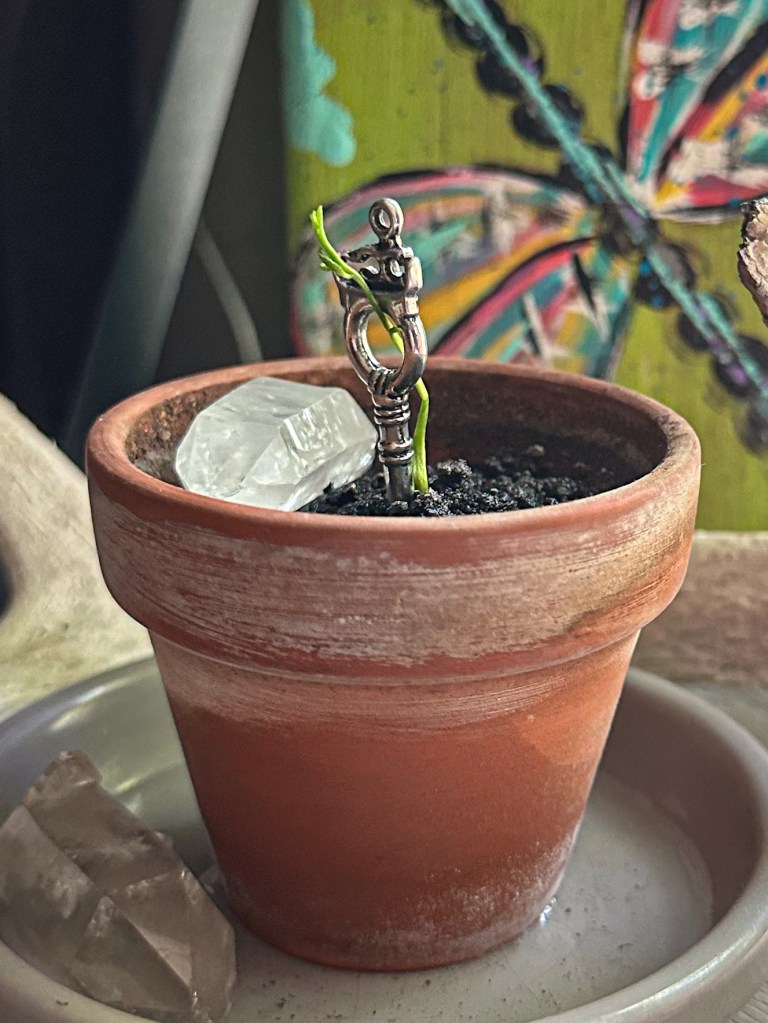
    A key charm I used to wear on a necklace, topped with a tiny crown. I’d forgotten I even had it—much less that it was right there, waiting. “Onward,” I thought, with a quiet half smile on my face.

    Something about that silly, sweet “coincidence,” and the act of pressing the charm key-down into Sir Citrico’s pot to give him a bit of love and support with his morning drink, woke something up in me again. A flicker of the old rhythm. That feeling from the days when creating wasn’t about productivity. It was about presence.

    Sir Citrico, with his temporary crown and support.

    And then I shared it with J.

    I texted him a couple of photos and made a little joke about crowns—as one does when the coincidences start stacking. Just as I hit send, a message from him came through: a photo of speckled eggs in his dusty palm, found in the straw trailer at work with no nest in sight.

    We exchanged condolences for the eggs—the unborn and likely gone babies inside them. I said I wished we still had our incubator, even though it was probably too late anyway. He laughed about the crowns in emojis. Sir Citrico brought us both back to center again just by existing and being okay.

    From there, the conversation shifted—creeks and mushrooms and foliage we hope to stumble across on our next hike, wild clay we’d already foraged, the phoenix we’d raise from the ashes of our old fire pit when we turned it into a makeshift open kiln.

    We started remembering. Talking about past walks in the woods, daydreaming about future ones. Backyard projects we could try this weekend (weather permitting, praying hands). The kind of inspiration that makes your hands ache to touch the earth again.

    And as the brief moment—it couldn’t have been more than five minutes—passed and he returned to work, I sat there realizing, “we’re both already halfway back.”

    It’s been a really long decade. I’ve been in and out of creative energy and back and forth with sharing here. This post, though, feels like the first in a new (but old) rhythm. A return to the backyard (including the woods, and nearby nature preserves) adventures that once were my lifeblood: gathering moss, bones, and stones. Saving driftwood. Watching the forest change one quiet degree at a time. Building with what we already have.

    As I sat down with my tablet to list supplies—starting with Borax, because these ants are officially on notice—I got a notification that my old blog domain had been released. After all this time, I was finally able to repurchase Catacosmosis.com for $13 instead of the $100 redemption fee. I’d let it lapse, along with so many other things, after Master Roshi died. I tapped the notification and smiled… and what do you think I saw at the top of the page? A tiny little crown. A purple one, no less—my favorite color.

    I’ve already been collecting ideas for upcoming posts: photoblogs, step-by-step tutorials on processing wild clay, how we’ll turn our backyard fire pit into a makeshift open air kiln, color palettes and Mextures formulas for documenting spring and summer through the lens of new eyes.

    So maybe—finally—I’m stepping into writing here regularly again.

    Writing about art and energy. About the sacred mundane. About the projects that call to our hands and our hearts in equal measure. There’s no rush. No master plan. Just the inspiration. Just the slowly forming Spotify playlist:

    🌙 aetheria ✨.

    There’s only the ambient existence of time, and the understanding that it isn’t meant to be wasted on stuckness, resistance, or the fear of letting go of what’s already passed. This time, there’s true, deep healing.

    It’s been a hell of a decade, but for the past several months, there’s been this eerie, chosen quiet. There’s been the grace of being able to go inward—to hermit, soul-search, and sit with God and the trees and the spirits of the ones who never really left. They show up in their magical love notes from the Earth’s skin…where moss carpets memory, fairies stir the wind, and the invisible speaks in vibrations.

    They’ve fed me the songs on that playlist—music for the sacred unseen. Music for stone circles, forest floors, phoenixes rising from the dust—and the soft, golden ash of everything you thought you’d lost.

    And what’s left, for me?

    Just a garden of small, sacred yeses.

    And, the joy of going on the adventure again—this time with my boys, and our dogs. No one who needs 24/7 caregiving—no one who is sick, no one who is dying. No one who “needs” so much of me. Theres just the invisible magic of memory, presence, and the quiet, sovereign path we’ve chosen for this chapter. The one that’s ours… even if it’s not what the world calls “normal.”

    Because artists aren’t like other people.

    That’s one of the truths my spirit keeps showing me—especially now. Creating things from what’s around me—from cameras and acrylics and powder pigments to binders and water and dirt, to the words in my head and the Divine in my heart—it’s not just what I do. It’s who I am. For years, I’ve said I didn’t want much in the way of what money could buy, and the last few months of solitude have shown me how true that really is.

    “Your life is not normal.”

    I’ve heard that sentence more than once lately. And while I usually walk in confidence—especially since everyone died—this one time recently, the words landed harder than they should have. They made me buckle, just a little. Maybe it was because of who they came from. Maybe it was just the audacity, considering the lifestyle they’ve chosen for themselves (which is also very different to “most people”). Either way, it stung—not because it was true, but because it carried judgment where there should have been understanding.

    I know many of you have heard similar things, and ask yourself similar things at times, this like, “How do you explain your life to people who’ve only ever lived in the traditional one?” People like you and me—we wrestle with questions like that.

    “My friends think I’ve lost it after selling the big house…”

    That was something Master Roshi and I talked about often, back when he chose road retirement in his RV. We didn’t question it. We just joined him. Because we were the same. And that’s a big part of why I miss him so deeply.

    Then there’s, “I’m just so unhappy. How do you shift your life and still feel supported?”

    After everyone died, and I stopped vibing with anyone around me, I chose solitude. That question rang loud in my head for a while, too. But through that, I found my Self again, and was able to answer that one for myself as I remembered how little I really needed from anyone else—that I was my own validation—and that my relationship with God was enough.

    The truth? I don’t have all the answers. They’ll look different for every person, every season. But here’s what I do know:

    Normality is subjective. It’s based on one’s reality. And yes—my life isn’t normal to a lot of people. But there’s a growing community on this planet made up of people who also live a little differently. There is a growing population who challenge the finger that points and says, “That’s not normal.”

    Those people? They each have stories. They each face their own challenges. They each carry the wisdom that grows when you live a life you chose.

    That community is rising. Connecting. Becoming its own new normal. I think the real divide only happens when we compare each other’s “normal.” But if we allow for difference—and embrace it—then we create space for all of us to live the lives that suit us best.

    That means celebrating all kinds of normal:

    The traditional homes. The 9-to-5s. The “starving artists,” the couch-surfing writers, the stay-at-home moms, the dirtbag van-lifers, the families living out of buses and backpacks and intuition.

    There’s room for all of it. There’s room for all of us.

    My two cents?

    The best thing we can do is make peace with the chaos in our own minds. Keep being exactly as different as we need to be to build the lives we want to live. Let the judgment come. Let the questions linger. Let it all teach and grow us. Embrace it.

    And then…

    Let them watch, regardless of judgments, as we settle in—and thrive—in our own unique ways.

    Maybe that’s the whole point.

    The comment I made earlier—about how we’re already halfway back—has been echoing in my spirit ever since. At the time, it felt like a casual observation. But now, as I finish writing this, I see it for what it was: a recognition.

    It was a realization that somewhere between the grief and the stillness, the long walks and quiet days, the moss and music and small, sacred yeses—I had already crossed the threshold. Without fanfare. Without fireworks. Just… step by step.

    The world didn’t shift all at once. I did. And now, standing here in the soft light of this new chapter, I think about Queen Elizabeth II’s words again:

    It’s worth remembering that it is often the small steps, not the giant leaps, that bring about the most lasting change.

    She was right.

    The change was never just one big choice. It was every tiny act of trust. Every time I listened to Hid and my higher self, no matter what it “cost” me. Every time I kept going when no one else could see what I was building.

    And somehow, without even realizing it, I arrived.